THE ADVENTURE COLLECTIVE® · Independent discovery and booking for outdoor travel

Step back two thousand years on a half-day tour from Coimbra to Conímbriga. Explore open-air Roman streets and a compact museum of mosaics, then return to Coimbra refreshed and informed.
Step back two thousand years on a half-day tour from Coimbra to Conímbriga. Explore open-air Roman streets and a compact museum of mosaics, then return to Coimbra refreshed and informed.
Morning light hits low stone walls and ancient mosaics as the minivan winds out of Coimbra toward Conímbriga. The site opens like a map of everyday Roman life: paved streets, house foundations, and mosaics that still hold the color of old floors. Wind carries the smell of scrub and earth, and the ruins seem to push visitors to read the lives stamped into their mortar.
Verified experiences and guided adventures in the surrounding area.
Operated by Viajeportugal · Condeixa-a-Nova, Coimbra District
Morning light hits low stone walls and ancient mosaics as the minivan winds out of Coimbra toward Conímbriga. The site opens like a map of everyday Roman life: paved streets, house foundations, and mosaics that still hold the color of old floors. Wind carries the smell of scrub and earth, and the ruins seem to push visitors to read the lives stamped into their mortar.
Conímbriga began long before Rome, but it flourished under Imperial rule—once a regional hub with baths, temples, and aristocratic houses. Geology here is limestone and clay; the soil preserves mosaics in shallow basins and exposes foundations after millennia. The Monographic Museum gathers the delicate finds: coins, ceramics, and the best-preserved mosaic panels in Portugal.
Culturally, the site is a classroom in stone: public baths revealing social rituals, domestic mosaics hinting at trade links, and inscriptions echoing Latin administration. Outside the museum, dry grass and low pines frame vistas toward rolling Coimbra countryside, where birds circle and the land keeps its own pace.
Practical guidance: the tour is about three hours, including museum time—plan comfortable walking shoes, sun protection, and water. Paths are compacted dirt and stone; mobility is reasonable but uneven surfaces and short steps appear. Visit in the morning to avoid heat and crowds; allow an hour for the museum and an hour for the open ruins. Respect ropes and signage—mosaics are fragile. Photography is welcome, but avoid flash on conserved items. With a short drive from Coimbra, this half-day trip is an accessible way to step into two millennia of daily life, then return to the city by mid-afternoon.
easy.
3 hours.
Suitable for most fitness levels; requires walking on uneven surfaces for up to 60–90 minutes outdoors.
The tour runs about three hours and includes round-trip transfer from Coimbra, a guided visit to the Conímbriga ruins and access to the Monographic Museum; bottled water and a driver/guide are included.
Children enjoy the open ruins, but surfaces are uneven; the tour is described as suitable for all fitness levels, though some areas require short steps and careful footing.
Yes—admission to the Roman ruins and the Monographic Museum is included on this organized tour.
Photography is generally allowed at the open site; in the museum some rooms restrict flash to protect artifacts—follow posted signs and guide instructions.
Conímbriga grew from pre-Roman settlements into a prosperous Roman municipium, with elaborate private houses and public baths; occupation declined after early medieval upheavals.
The Monographic Museum shelters delicate mosaics removed from exposure while on-site preservation uses walkways and barriers—visitors can help by staying on paths and avoiding touching surfaces.
Viajeportugal operates guided outdoor trips and adventures with an emphasis on safety, stewardship, and memorable experiences.
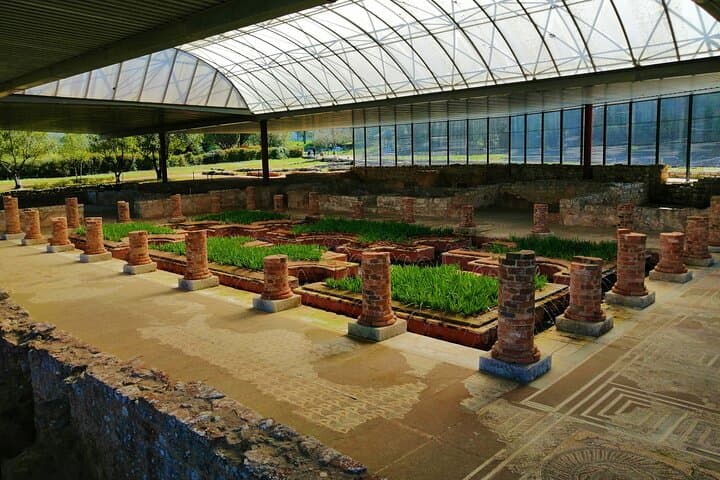
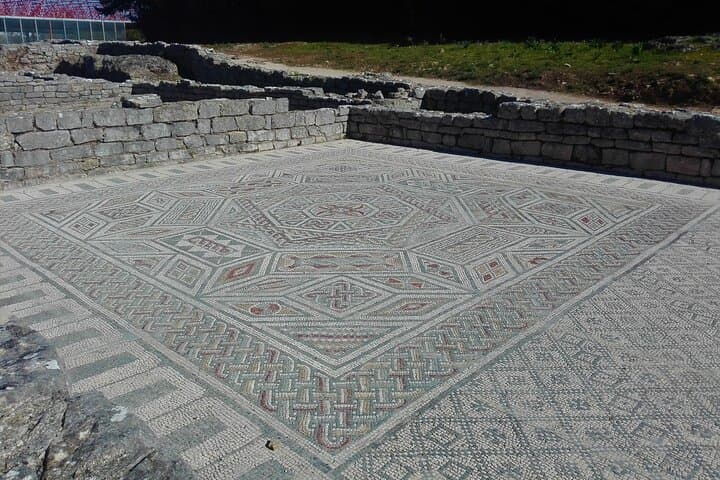
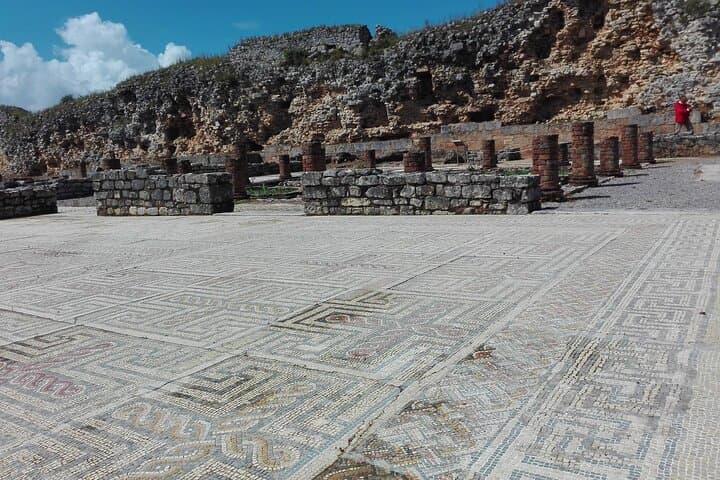
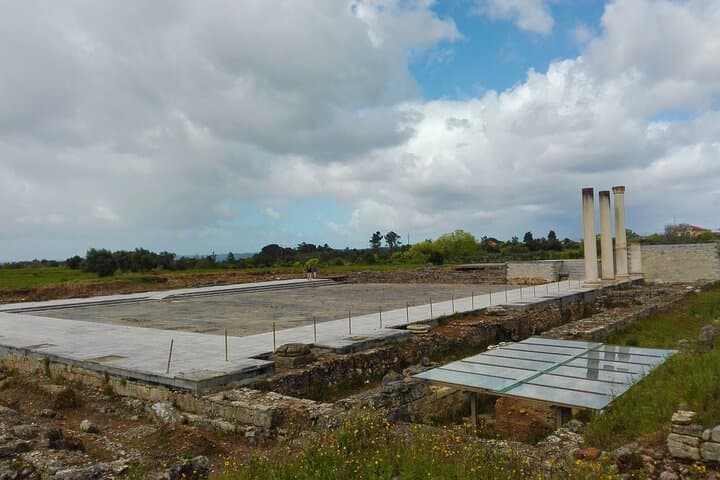
Morning light hits low stone walls and ancient mosaics as the minivan winds out of Coimbra toward Conímbriga. The site opens like a map of everyday Roman life: paved streets, house foundations, and mosaics that still hold the color of old floors. Wind carries the smell of scrub and earth, and the ruins seem to push visitors to read the lives stamped into their mortar.
Morning light hits low stone walls and ancient mosaics as the minivan winds out of Coimbra toward Conímbriga. The site opens like a map of everyday Roman life: paved streets, house foundations, and mosaics that still hold the color of old floors. Wind carries the smell of scrub and earth, and the ruins seem to push visitors to read the lives stamped into their mortar.
Conímbriga began long before Rome, but it flourished under Imperial rule—once a regional hub with baths, temples, and aristocratic houses. Geology here is limestone and clay; the soil preserves mosaics in shallow basins and exposes foundations after millennia. The Monographic Museum gathers the delicate finds: coins, ceramics, and the best-preserved mosaic panels in Portugal.
Culturally, the site is a classroom in stone: public baths revealing social rituals, domestic mosaics hinting at trade links, and inscriptions echoing Latin administration. Outside the museum, dry grass and low pines frame vistas toward rolling Coimbra countryside, where birds circle and the land keeps its own pace.
Practical guidance: the tour is about three hours, including museum time—plan comfortable walking shoes, sun protection, and water. Paths are compacted dirt and stone; mobility is reasonable but uneven surfaces and short steps appear. Visit in the morning to avoid heat and crowds; allow an hour for the museum and an hour for the open ruins. Respect ropes and signage—mosaics are fragile. Photography is welcome, but avoid flash on conserved items. With a short drive from Coimbra, this half-day trip is an accessible way to step into two millennia of daily life, then return to the city by mid-afternoon.