
Half-Day Aruba Animal Sanctuary Tour: Ostriches, Donkeys & Exotic Animal Encounters
Spend four relaxed hours meeting ostriches, rescued donkeys and exotic animals on this guided Aruba sanctuary tour. Ideal for families and curious travelers, the trip combines close encounters with on-site conservation support.
An Adventure In Oranjestad.
Spend four relaxed hours meeting ostriches, rescued donkeys and exotic animals on this guided Aruba sanctuary tour. Ideal for families and curious travelers, the trip combines close encounters with on-site conservation support.
Read the full experience
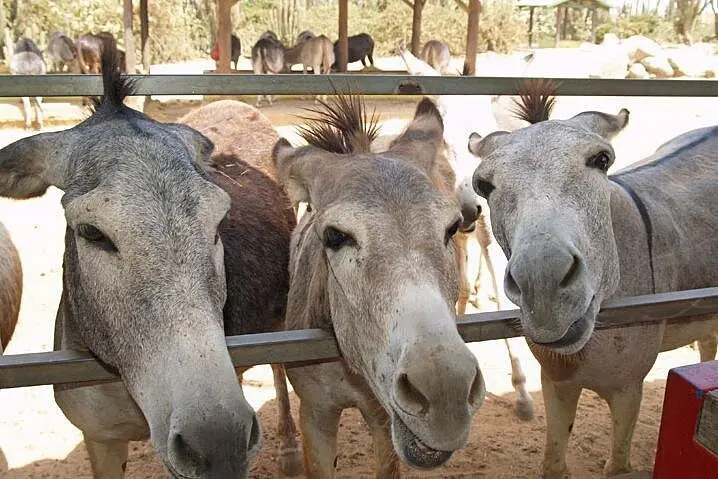
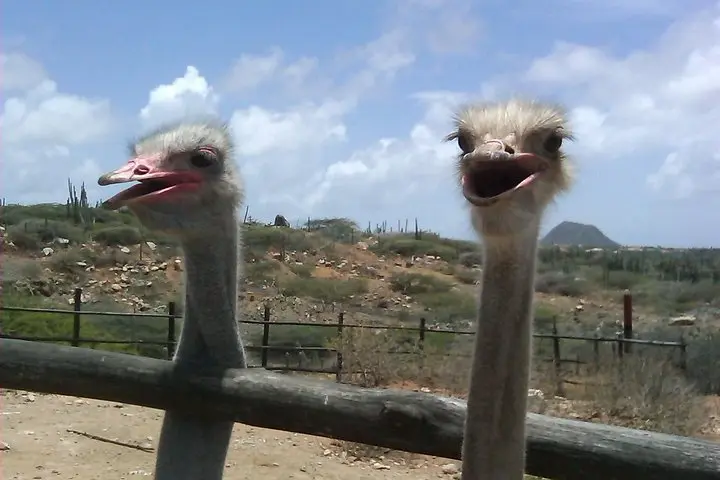
You step off the minivan into sun-bleached air and the island’s dry brush seems to lean toward you, as if curious. The tour moves with deliberate ease—first the low rumble of ostrich calls at a farm where the birds stride like small, grounded ships; then the soft, patient eyes of donkeys that have shared Aruba’s roads for centuries; finally, the quieter, more exotic palette of Philip’s Animal Garden.
You step off the minivan into sun-bleached air and the island’s dry brush seems to lean toward you, as if curious. The tour moves with deliberate ease—first the low rumble of ostrich calls at a farm where the birds stride like small, grounded ships; then the soft, patient eyes of donkeys that have shared Aruba’s roads for centuries; finally, the quieter, more exotic palette of Philip’s Animal Garden.
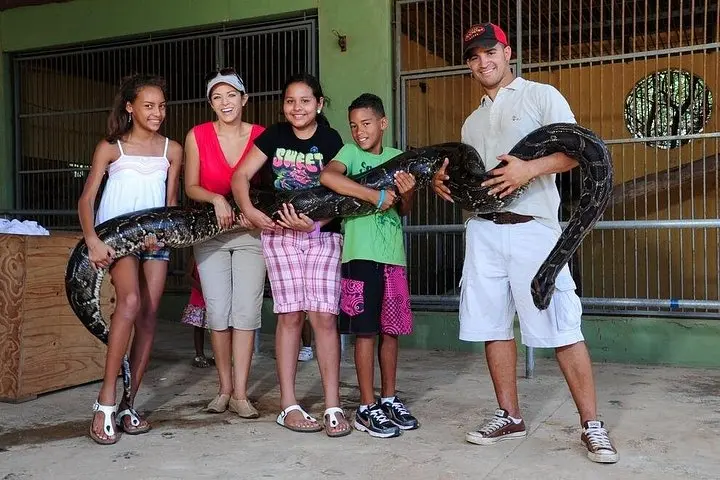
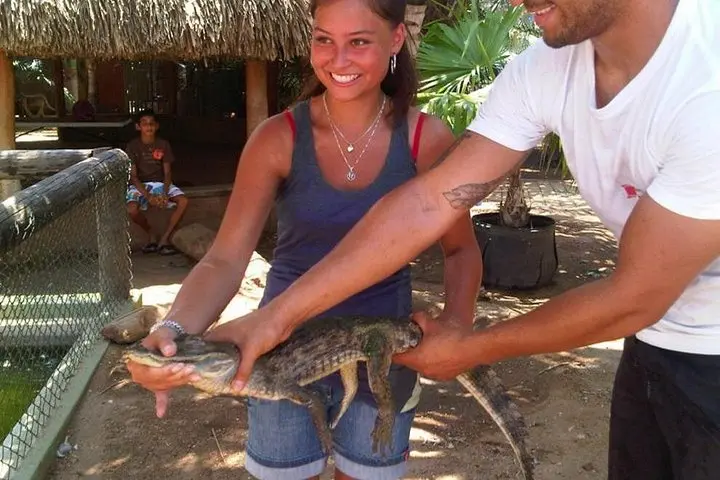
Aruba’s arid limestone and wind-sculpted divi-divi trees frame a short loop through human and natural history. Donkeys arrived with early settlers and served as working companions until cars replaced them; a volunteer-run Donkey Sanctuary now rescues and rehabs the descendants of those beasts. Philip Merryweather’s Animal Garden grew from decades of rescues into an educational collection of more than 50 species, offering hands-on encounters governed by staff.
This half-day, roughly four-hour outing balances interpretation and close observation: expect guided commentary, admission fees covered, bottled water, and hotel pickup/drop-off. Groups are capped at about 25 and the pace is easy—most interactions occur on flat, compact terrain with brief standing periods.
Practical tips: wear sun-protective clothing and closed-toe shoes for dusty enclosures, bring cash for donations or tips, and keep camera batteries charged—the animals respond unpredictably and photographically rewarding moments can arrive fast. Respect handling rules: staff set boundaries for animal contact. If conservation matters to you, note that a portion of proceeds supports the sanctuaries, and visits help fund ongoing care and education.
Frequently asked questions
Interactions depend on animal temperament and staff guidance; some species allow touching or feeding under supervision, but contact is not guaranteed.
Yes—hotel and port pickup and drop-off are included in the tour price for most central accommodations.
Yes—tour operators note it’s physically easy and stroller-accessible, but children must be supervised and infants sit on a lap.
Full refunds are available if you cancel at least 24 hours before departure; rain or insufficient travelers may also prompt cancellation.
About This Experience
El Tours & Transfers operates guided outdoor trips and adventures with an emphasis on safety, stewardship, and memorable experiences.
Adventure tips
Recommended gear
- Sun hat & sunglasses: Protects from strong tropical sun during outdoor visits.
- Sunscreen (SPF 30+): Prevents sunburn on exposed skin during the tour.
- Closed-toe walking shoes: Provides stable footing on dusty farm paths and around enclosures.
- Small camera or phone with extra battery: Captures up-close animal moments—battery life matters on full-day excursions.
Photos of the experience
Related adventures & guides
Read the full experience
You step off the minivan into sun-bleached air and the island’s dry brush seems to lean toward you, as if curious. The tour moves with deliberate ease—first the low rumble of ostrich calls at a farm where the birds stride like small, grounded ships; then the soft, patient eyes of donkeys that have shared Aruba’s roads for centuries; finally, the quieter, more exotic palette of Philip’s Animal Garden.
You step off the minivan into sun-bleached air and the island’s dry brush seems to lean toward you, as if curious. The tour moves with deliberate ease—first the low rumble of ostrich calls at a farm where the birds stride like small, grounded ships; then the soft, patient eyes of donkeys that have shared Aruba’s roads for centuries; finally, the quieter, more exotic palette of Philip’s Animal Garden.
Aruba’s arid limestone and wind-sculpted divi-divi trees frame a short loop through human and natural history. Donkeys arrived with early settlers and served as working companions until cars replaced them; a volunteer-run Donkey Sanctuary now rescues and rehabs the descendants of those beasts. Philip Merryweather’s Animal Garden grew from decades of rescues into an educational collection of more than 50 species, offering hands-on encounters governed by staff.
This half-day, roughly four-hour outing balances interpretation and close observation: expect guided commentary, admission fees covered, bottled water, and hotel pickup/drop-off. Groups are capped at about 25 and the pace is easy—most interactions occur on flat, compact terrain with brief standing periods.
Practical tips: wear sun-protective clothing and closed-toe shoes for dusty enclosures, bring cash for donations or tips, and keep camera batteries charged—the animals respond unpredictably and photographically rewarding moments can arrive fast. Respect handling rules: staff set boundaries for animal contact. If conservation matters to you, note that a portion of proceeds supports the sanctuaries, and visits help fund ongoing care and education.
Make a day of it nearby.
Verified experiences and guided adventures in the surrounding area.