THE ADVENTURE COLLECTIVE® · Independent discovery and booking for outdoor travel

A focused half‑day that places you inside South Africa’s modern history, the Apartheid Museum tour combines archival exhibits and local context to explain how apartheid shaped daily life and the nation’s transition. Expect a guided, accessible experience with transport and 2–3 hours of gallery time.
A focused half‑day that places you inside South Africa’s modern history, the Apartheid Museum tour combines archival exhibits and local context to explain how apartheid shaped daily life and the nation’s transition. Expect a guided, accessible experience with transport and 2–3 hours of gallery time.
You step from the air-conditioned vehicle into a plaza where hard concrete meets low winter sun, the city’s industrial edges folded into a museum that confronts 20th‑century South Africa.
Verified experiences and guided adventures in the surrounding area.
Operated by MoAfrika Tours · Johannesburg, Gauteng
You step from the air-conditioned vehicle into a plaza where hard concrete meets low winter sun, the city’s industrial edges folded into a museum that confronts 20th‑century South Africa.
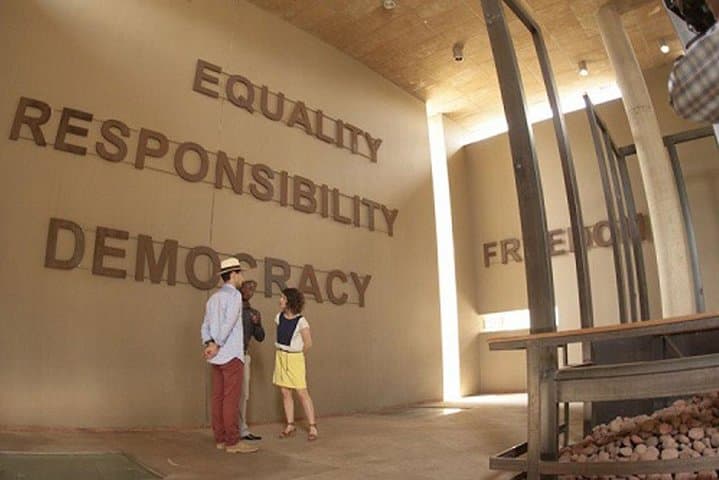
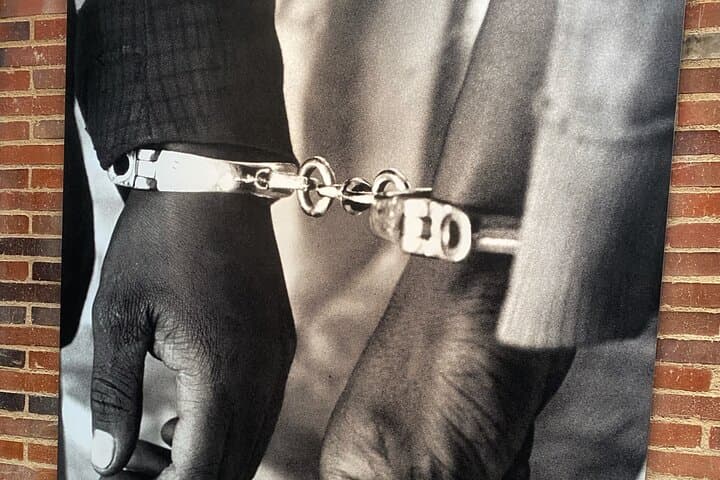
The Apartheid Museum opened in 2001 as a focused, often solemn narrative of segregation, resistance and the transition to democracy. Its layout is chronological and immersive—exhibit rooms, archival photos and recreated signage that map laws, passbooks and the everyday mechanics of segregation. The building sits on the southern flank of Johannesburg, a metropolis born of gold-bearing reefs and rapid urban growth; the museum’s physical setting near former mining zones underscores how economics and extraction shaped the country’s social geography.
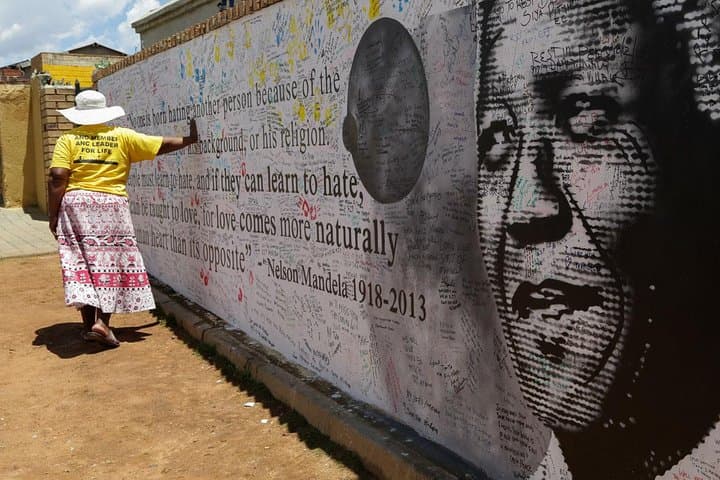
Culturally, a visit is both civic education and an encounter with living memory: expect stories of organized resistance, international sanctions and the personal testimonies that followed the end of apartheid. Local guides often link museum content to nearby Soweto, where streets like Vilakazi reveal the home-front side of history.
Practical guidance: the standard half‑day program runs about five hours including transport; wear comfortable shoes and allow time for the permanent exhibitions (plan 2–3 hours inside). The route is largely wheelchair accessible and most tour operators provide air‑conditioned pickup. Carry valid ID or passport for museum entry and booking verification. Photography is allowed in designated areas—follow signage. If you want quieter reflection, aim for weekday mornings when groups thin out. Take water and a light layer; Johannesburg weather can shift quickly between sun and wind.
easy.
5 hours.
Suitable for all fitness levels; includes walking and standing indoors for long periods
The listed itinerary runs about five hours total, including transport and approximately 2–3 hours inside the museum.
Yes—the Apartheid Museum provides wheelchair access across galleries and the tour notes wheelchair‑accessible transport options.
Guides commonly operate in English; check with the operator for language options or private guide availability.
Photography is allowed in some areas but restricted in others—follow posted signs and staff instructions.
Opened in 2001, the Apartheid Museum presents a structured narrative of apartheid-era laws, resistance movements and South Africa’s transition to majority rule.
The museum emphasizes ethical curation and community engagement; visitors should practice respectful behavior, avoid touching artifacts and support local guides and vendors.
MoAfrika Tours operates guided outdoor trips and adventures with an emphasis on safety, stewardship, and memorable experiences.
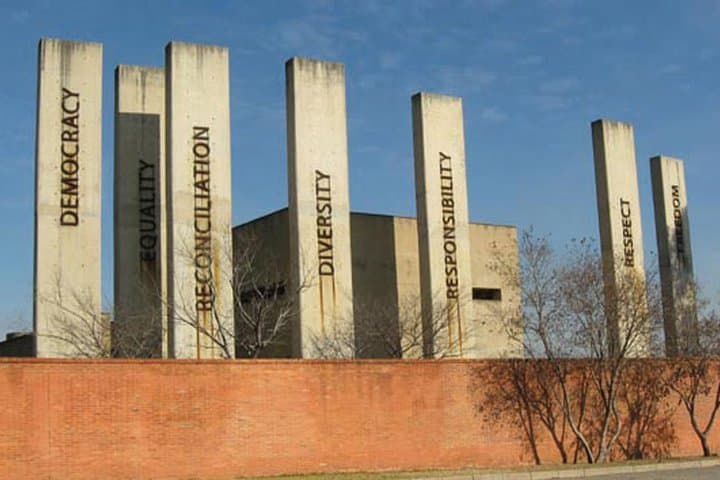
You step from the air-conditioned vehicle into a plaza where hard concrete meets low winter sun, the city’s industrial edges folded into a museum that confronts 20th‑century South Africa.
You step from the air-conditioned vehicle into a plaza where hard concrete meets low winter sun, the city’s industrial edges folded into a museum that confronts 20th‑century South Africa.
The Apartheid Museum opened in 2001 as a focused, often solemn narrative of segregation, resistance and the transition to democracy. Its layout is chronological and immersive—exhibit rooms, archival photos and recreated signage that map laws, passbooks and the everyday mechanics of segregation. The building sits on the southern flank of Johannesburg, a metropolis born of gold-bearing reefs and rapid urban growth; the museum’s physical setting near former mining zones underscores how economics and extraction shaped the country’s social geography.
Culturally, a visit is both civic education and an encounter with living memory: expect stories of organized resistance, international sanctions and the personal testimonies that followed the end of apartheid. Local guides often link museum content to nearby Soweto, where streets like Vilakazi reveal the home-front side of history.
Practical guidance: the standard half‑day program runs about five hours including transport; wear comfortable shoes and allow time for the permanent exhibitions (plan 2–3 hours inside). The route is largely wheelchair accessible and most tour operators provide air‑conditioned pickup. Carry valid ID or passport for museum entry and booking verification. Photography is allowed in designated areas—follow signage. If you want quieter reflection, aim for weekday mornings when groups thin out. Take water and a light layer; Johannesburg weather can shift quickly between sun and wind.