THE ADVENTURE COLLECTIVE® · Independent discovery and booking for outdoor travel

Explore where Athenian democracy and Aristotle’s classroom once stood on a four-hour private tour that combines outdoor ruins with the Byzantine and Christian Museum. Expect measured walking, close reading of ruins and rich historical context delivered in a compact half day.
Explore where Athenian democracy and Aristotle’s classroom once stood on a four-hour private tour that combines outdoor ruins with the Byzantine and Christian Museum. Expect measured walking, close reading of ruins and rich historical context delivered in a compact half day.
You step out of the car into Monastiraki’s dust-scented light and immediately the city changes scale: marble fragments and column drums punctuate a low urban hill where the Ancient Agora once thrummed with markets, politics and argument.
Verified experiences and guided adventures in the surrounding area.
Operated by Private Best Travel · Athens, Attica
You step out of the car into Monastiraki’s dust-scented light and immediately the city changes scale: marble fragments and column drums punctuate a low urban hill where the Ancient Agora once thrummed with markets, politics and argument.
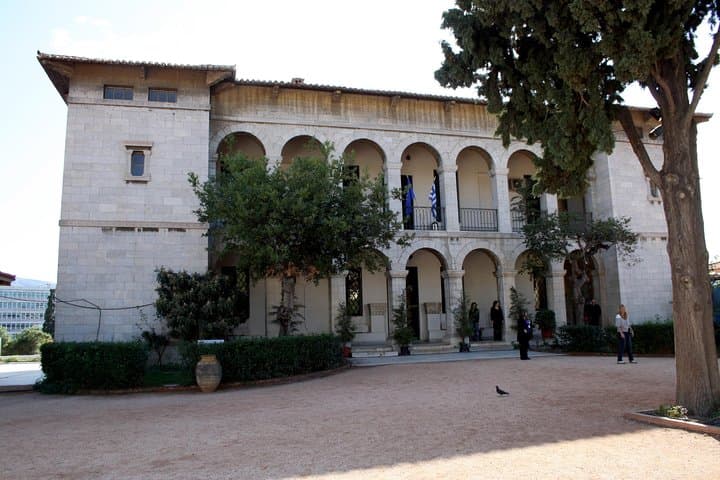
The walk through the Agora takes you past the temple of Hephaestus — one of the best-preserved classical temples — and along stone paths that held the footsteps of merchants and thinkers. The narrative shifts as you drive toward the Lyceum, where Aristotle taught in a shaded parkland once watered by small rivers; the ruins hint at gymnasia, lecture spaces and communal baths rather than the tidy classrooms of later ages. Finish inside the Byzantine and Christian Museum, a converted villa whose mosaics, icons and imperial edicts trace Athens’ transformation from classical polis to medieval ecclesiastical center.
Geology here is urbanized limestone and imported marble; the city’s layered stones tell a story of quarrying, reuse and rebuilding over millennia. Culturally the route threads democracy, philosophy and Orthodox Christian art — three chapters of Athens’ long public life.
Practical guidance: expect mostly flat walking on uneven ruins, short drives between sites, and around four hours total. Wear grippy shoes and sun protection, carry water, and plan for security lines if you wish to enter museums. Because guides cannot enter sites in some cases, bring photo-friendly curiosity and questions: the tour privileges interpretation and context over long artifact-handling.
This is a compact, contemplative half-day that pairs outdoor archaeology with curated museum rooms — ideal for travelers who want close encounters with Athens’ civic and intellectual history without a full-day commitment.
easy.
3–4 hours.
Suitable for travelers in average hiking/walking condition; involves up to 90–120 minutes of cumulative walking on uneven surfaces.
Admissions are typically not included; the itinerary notes admission as 'NO' for sites so expect to pay museum or archaeological site fees separately.
Per local regulations, drivers/guides may not be authorized to enter certain sites; your guide will provide interpretation from outside or arrange licensed guide access when required.
The tour is family-friendly but uneven surfaces and low walls make strollers difficult; infant seats are available on request for vehicle transfers.
Walking within the Agora and Lyceum covers mainly short distances over uneven ground—plan for multiple short walks totaling around 1–2 kilometers across the tour.
The Ancient Agora was Athens’ civic heart, where public debate, commerce and justice converged; Aristotle’s Lyceum later became a center for empirical observation and teaching that shaped Western philosophy.
Sites are managed under Greek archaeological law—avoid climbing ruins or touching exposed surfaces, support conservation by following marked paths and using museum facilities.
Private Best Travel operates guided outdoor trips and adventures with an emphasis on safety, stewardship, and memorable experiences.
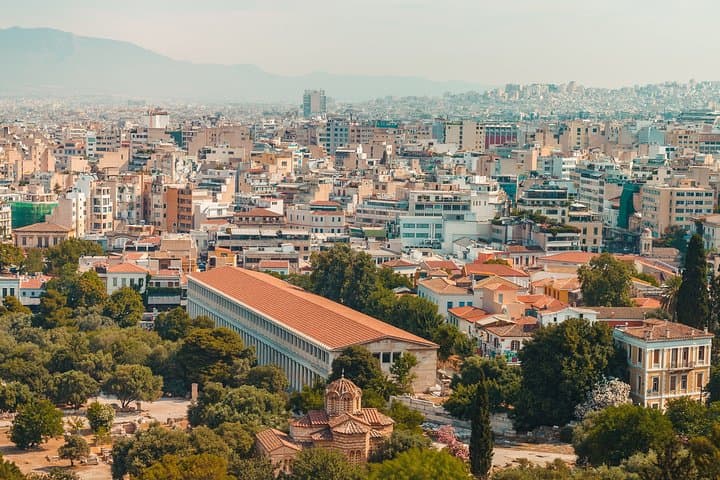
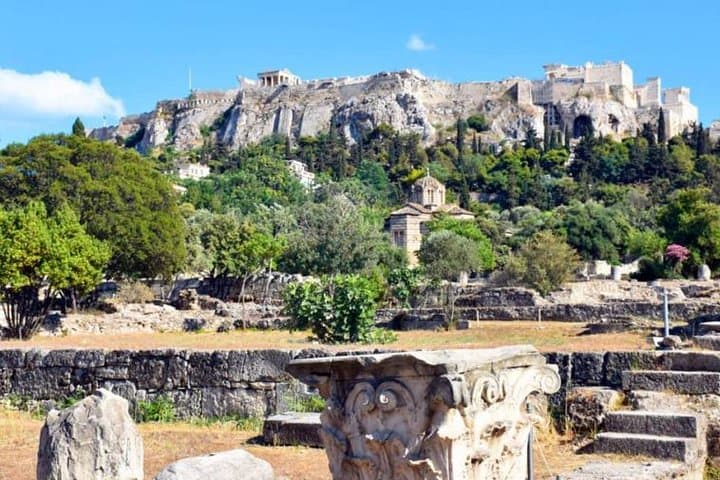
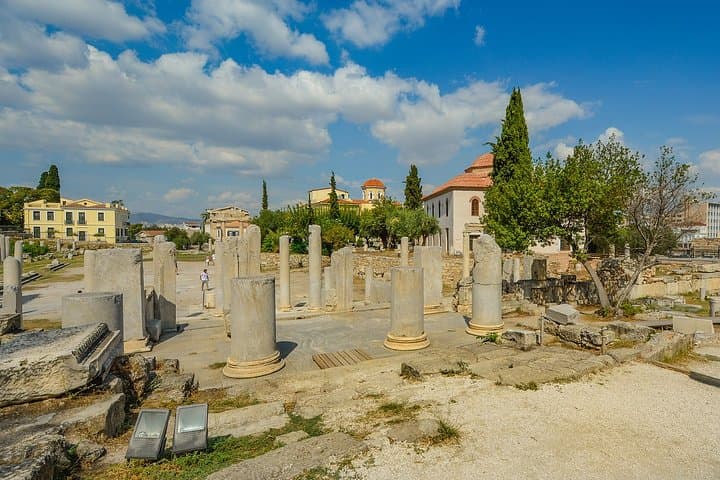
You step out of the car into Monastiraki’s dust-scented light and immediately the city changes scale: marble fragments and column drums punctuate a low urban hill where the Ancient Agora once thrummed with markets, politics and argument.
You step out of the car into Monastiraki’s dust-scented light and immediately the city changes scale: marble fragments and column drums punctuate a low urban hill where the Ancient Agora once thrummed with markets, politics and argument.
The walk through the Agora takes you past the temple of Hephaestus — one of the best-preserved classical temples — and along stone paths that held the footsteps of merchants and thinkers. The narrative shifts as you drive toward the Lyceum, where Aristotle taught in a shaded parkland once watered by small rivers; the ruins hint at gymnasia, lecture spaces and communal baths rather than the tidy classrooms of later ages. Finish inside the Byzantine and Christian Museum, a converted villa whose mosaics, icons and imperial edicts trace Athens’ transformation from classical polis to medieval ecclesiastical center.
Geology here is urbanized limestone and imported marble; the city’s layered stones tell a story of quarrying, reuse and rebuilding over millennia. Culturally the route threads democracy, philosophy and Orthodox Christian art — three chapters of Athens’ long public life.
Practical guidance: expect mostly flat walking on uneven ruins, short drives between sites, and around four hours total. Wear grippy shoes and sun protection, carry water, and plan for security lines if you wish to enter museums. Because guides cannot enter sites in some cases, bring photo-friendly curiosity and questions: the tour privileges interpretation and context over long artifact-handling.
This is a compact, contemplative half-day that pairs outdoor archaeology with curated museum rooms — ideal for travelers who want close encounters with Athens’ civic and intellectual history without a full-day commitment.