THE ADVENTURE COLLECTIVE® · Independent discovery and booking for outdoor travel

Spend an efficient afternoon along the Alsace Wine Route, visiting Hunawihr and Riquewihr before a cellar tasting with an independent winemaker. Expect cobbled streets, vineyard views and a focused sampling of local varieties.
Spend an efficient afternoon along the Alsace Wine Route, visiting Hunawihr and Riquewihr before a cellar tasting with an independent winemaker. Expect cobbled streets, vineyard views and a focused sampling of local varieties.
A late-afternoon sun slants across rolling vineyard rows as the minivan eases out of Colmar and onto the famed Route des Vins. Vine terraces lean into the slope like readers toward a good story; the air smells faintly of grass, earth and fermenting grapes. Participants step from the vehicle into cobbled lanes, where a narrow river dares you to follow it through a village square.
Verified experiences and guided adventures in the surrounding area.
Operated by Alsace Safari · Colmar, Grand Est
A late-afternoon sun slants across rolling vineyard rows as the minivan eases out of Colmar and onto the famed Route des Vins. Vine terraces lean into the slope like readers toward a good story; the air smells faintly of grass, earth and fermenting grapes. Participants step from the vehicle into cobbled lanes, where a narrow river dares you to follow it through a village square.
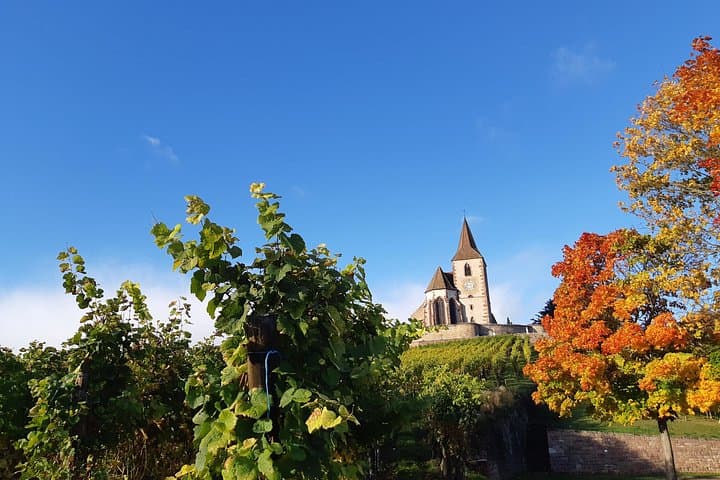
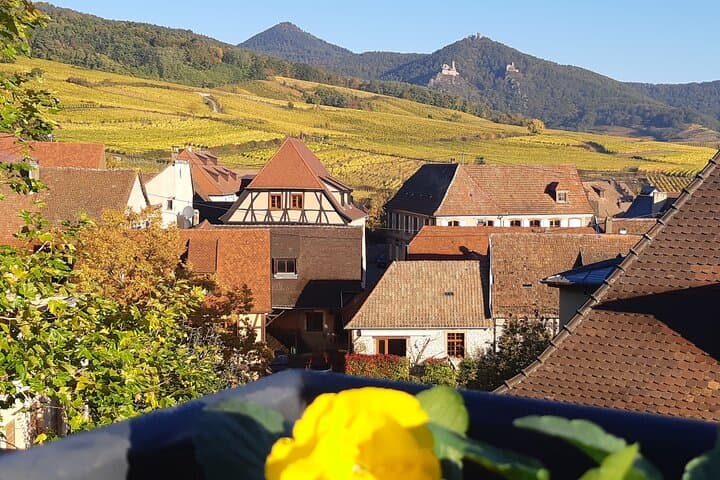
The villages on this stretch—Hunawihr and Riquewihr—date back to medieval viticulture and reflect Alsace’s contested Franco-German border history: half-timbered houses, fortified churches and lanes that once channeled trade and tolls. Geologically, this landscape is shaped by limestone and marl soils that lend Alsatian Rieslings their sharp minerality; the vineyards march up lower Vosges foothills, exposed to a rain-shadow that yields bright, concentrated grapes.
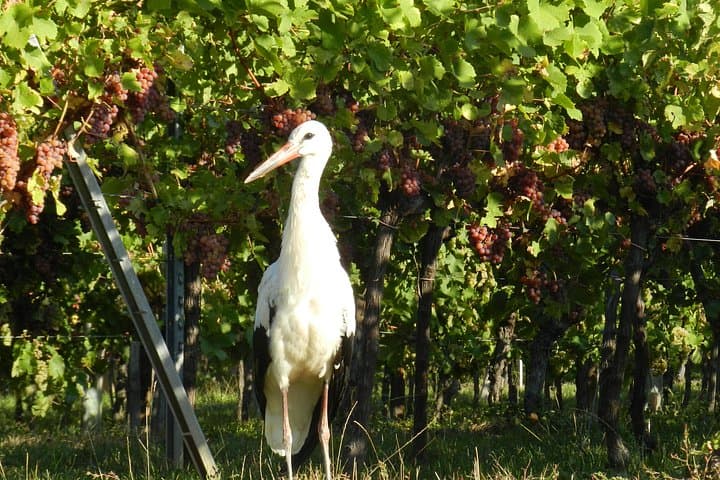
Culturally, you’ll hear local pride in winemakers’ stories and see white storks on rooftop nests—an emblem of regional identity. The tour blends scenic drives with short village walks and a cellar visit where an independent producer leads a focused tasting.
Practical guidance: expect 3–4 hours total with mostly gentle walking on uneven, cobbled surfaces; bring comfortable shoes, a light jacket for cellar coolness and a reusable water bottle. Tasting portions are moderate but include focused commentary—ask questions about grape varieties and aging. Reserve afternoon slots to catch warm light on the vines and check cancellation policies if weather or group numbers change. This half-day tour is an efficient window into Alsace’s wines and living history.
easy.
3–4 hours.
Suitable for most travelers; light walking on cobbled streets and short inclines.
The tour departs from Colmar (departure time listed on your ticket) and returns to Colmar at the advertised end time.
Yes—transport in an air-conditioned vehicle and a cellar tasting with an independent winemaker are included.
Children can join but you must indicate their age at booking; tasting is for adults only and infant seats are available if requested.
Guides typically speak the local languages (French and often English); check the tour operator for language specifics.
The Alsace Wine Route grew in the 19th century from medieval viticulture corridors; villages like Riquewihr prospered as merchant stops on regional trade routes.
Many producers practice sustainable or low-intervention viticulture; visitors are asked to respect private vineyards, avoid littering and follow designated paths.
Alsace Safari operates guided outdoor trips and adventures with an emphasis on safety, stewardship, and memorable experiences.
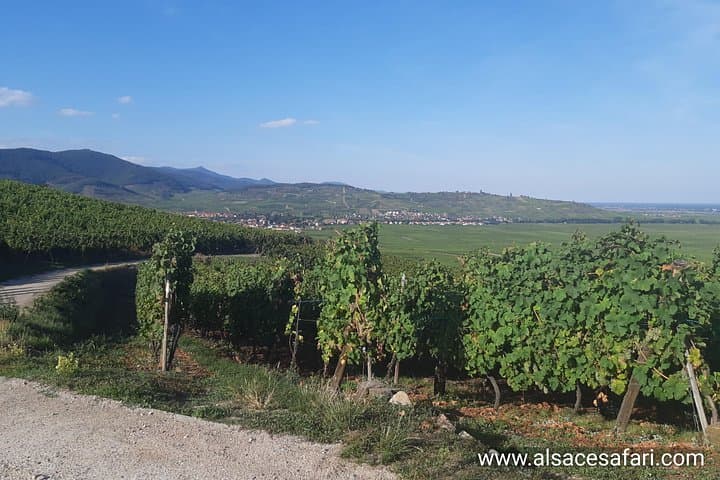
A late-afternoon sun slants across rolling vineyard rows as the minivan eases out of Colmar and onto the famed Route des Vins. Vine terraces lean into the slope like readers toward a good story; the air smells faintly of grass, earth and fermenting grapes. Participants step from the vehicle into cobbled lanes, where a narrow river dares you to follow it through a village square.
A late-afternoon sun slants across rolling vineyard rows as the minivan eases out of Colmar and onto the famed Route des Vins. Vine terraces lean into the slope like readers toward a good story; the air smells faintly of grass, earth and fermenting grapes. Participants step from the vehicle into cobbled lanes, where a narrow river dares you to follow it through a village square.
The villages on this stretch—Hunawihr and Riquewihr—date back to medieval viticulture and reflect Alsace’s contested Franco-German border history: half-timbered houses, fortified churches and lanes that once channeled trade and tolls. Geologically, this landscape is shaped by limestone and marl soils that lend Alsatian Rieslings their sharp minerality; the vineyards march up lower Vosges foothills, exposed to a rain-shadow that yields bright, concentrated grapes.
Culturally, you’ll hear local pride in winemakers’ stories and see white storks on rooftop nests—an emblem of regional identity. The tour blends scenic drives with short village walks and a cellar visit where an independent producer leads a focused tasting.
Practical guidance: expect 3–4 hours total with mostly gentle walking on uneven, cobbled surfaces; bring comfortable shoes, a light jacket for cellar coolness and a reusable water bottle. Tasting portions are moderate but include focused commentary—ask questions about grape varieties and aging. Reserve afternoon slots to catch warm light on the vines and check cancellation policies if weather or group numbers change. This half-day tour is an efficient window into Alsace’s wines and living history.