THE ADVENTURE COLLECTIVE® · Independent discovery and booking for outdoor travel

Explore Sintra mountain in a four‑to‑five hour loop that combines Pena Palace viewpoints, Quinta da Regaleira’s mystic gardens, and forested springs. This guided half‑day tour mixes natural microclimates, royal botany and accessible walking between monuments.
Explore Sintra mountain in a four‑to‑five hour loop that combines Pena Palace viewpoints, Quinta da Regaleira’s mystic gardens, and forested springs. This guided half‑day tour mixes natural microclimates, royal botany and accessible walking between monuments.
You step off the car where stone pines thin and a cool mist rolls down from the ridge — Sintra mountain unspools before you in tiers of color: bright Pena Palace domes, dense parkland and the dark line of Castelo dos Mouros. The guide points toward Miradouro da Vigia; the queen once watched craftsmen lay those stones, and now the view dares you to look every which way.
Verified experiences and guided adventures in the surrounding area.
Operated by Nanan Adventures · Sintra, Lisbon District
You step off the car where stone pines thin and a cool mist rolls down from the ridge — Sintra mountain unspools before you in tiers of color: bright Pena Palace domes, dense parkland and the dark line of Castelo dos Mouros. The guide points toward Miradouro da Vigia; the queen once watched craftsmen lay those stones, and now the view dares you to look every which way.
Sintra's landscape is the product of a collision of geology and taste. Granite crags and schist underlie microclimates that allowed 19th‑century royals to import exotic trees and sculpt gardens that feel both deliberate and wild. Palácio da Pena is a Romantic-era collage of color and crenellation; Quinta da Regaleira reads like a ritual map in stone — wells, grottoes and Masonic symbols carved into volcanic rock and imported marble.
On this half‑day route you’ll pause at natural springs like Fonte da Sabuga, trace forest trails with laurel and eucalyptus, and take breaks at viewpoints that frame the village and coast. Guides provide context — history, architecture and local plant lore — then leave you at monument entrances when you want to explore inside (tickets not included).
Practical edge: plan for 4–5 hours, start early to avoid busier afternoons, and buy monument tickets in advance if you want interior access. Wear grippy shoes for uneven paths, carry refillable water, and pack a lightweight rain layer — Sintra’s microclimate can change mid‑day. With a little preparation you’ll move easily between culture and countryside, following trails that feel like a conversation between nature and history.
easy.
4–5 hours.
Suitable for most fitness levels; involves short walks and standing at viewpoints but no technical climbing.
No — monument tickets are not included; guides can wait at the entrance while you visit, so buy tickets in advance to save time.
Yes — transportation and many viewpoints are wheelchair accessible, but some garden paths and steps at monuments may be uneven; check specific access at each site.
Yes — the itinerary includes a stop at Fonte da Sabuga to refill bottles and most monument sites have restroom facilities nearby.
Sintra is busiest late morning to afternoon, especially weekends; early starts (first departures) reduce crowding at popular viewpoints and monuments.
Sintra was reshaped in the 19th century by Romanticism and royal patronage; foreign trees and eclectic palaces reflect that era’s taste for dramatic landscapes.
Sintra lies within the Sintra‑Cascais Natural Park; stick to marked paths, use refillable containers and respect protected plantings to reduce impact.
Nanan Adventures operates guided outdoor trips and adventures with an emphasis on safety, stewardship, and memorable experiences.
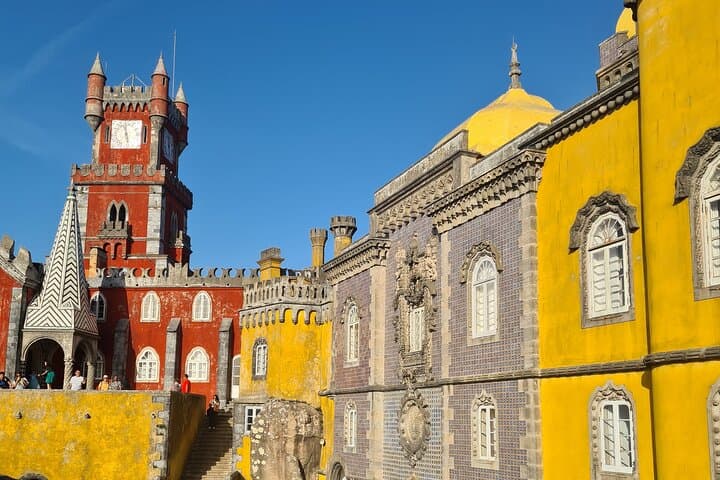
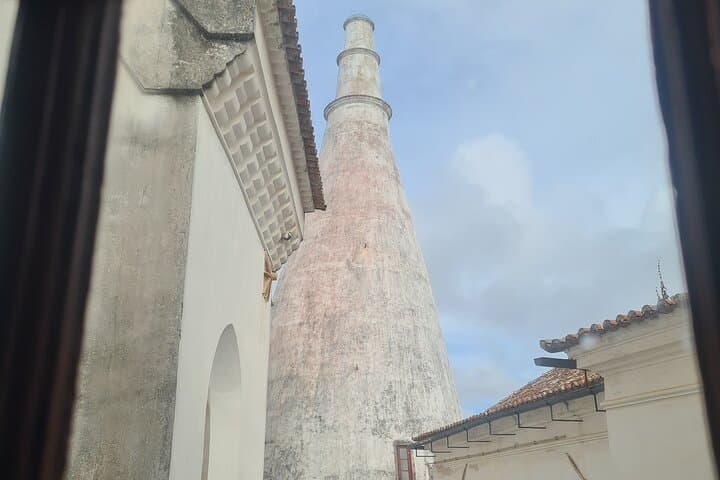

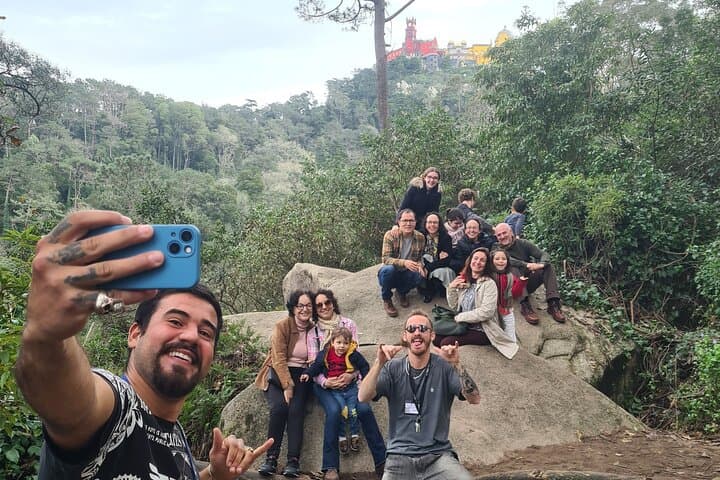
You step off the car where stone pines thin and a cool mist rolls down from the ridge — Sintra mountain unspools before you in tiers of color: bright Pena Palace domes, dense parkland and the dark line of Castelo dos Mouros. The guide points toward Miradouro da Vigia; the queen once watched craftsmen lay those stones, and now the view dares you to look every which way.
You step off the car where stone pines thin and a cool mist rolls down from the ridge — Sintra mountain unspools before you in tiers of color: bright Pena Palace domes, dense parkland and the dark line of Castelo dos Mouros. The guide points toward Miradouro da Vigia; the queen once watched craftsmen lay those stones, and now the view dares you to look every which way.
Sintra's landscape is the product of a collision of geology and taste. Granite crags and schist underlie microclimates that allowed 19th‑century royals to import exotic trees and sculpt gardens that feel both deliberate and wild. Palácio da Pena is a Romantic-era collage of color and crenellation; Quinta da Regaleira reads like a ritual map in stone — wells, grottoes and Masonic symbols carved into volcanic rock and imported marble.
On this half‑day route you’ll pause at natural springs like Fonte da Sabuga, trace forest trails with laurel and eucalyptus, and take breaks at viewpoints that frame the village and coast. Guides provide context — history, architecture and local plant lore — then leave you at monument entrances when you want to explore inside (tickets not included).
Practical edge: plan for 4–5 hours, start early to avoid busier afternoons, and buy monument tickets in advance if you want interior access. Wear grippy shoes for uneven paths, carry refillable water, and pack a lightweight rain layer — Sintra’s microclimate can change mid‑day. With a little preparation you’ll move easily between culture and countryside, following trails that feel like a conversation between nature and history.