THE ADVENTURE COLLECTIVE® · Independent discovery and booking for outdoor travel

Spend a structured half day through Accra’s political monuments, museums and Makola Market with a local guide. This accessible tour blends history, hands‑on culture and market life into a six‑hour introduction to Ghana’s capital.
Spend a structured half day through Accra’s political monuments, museums and Makola Market with a local guide. This accessible tour blends history, hands‑on culture and market life into a six‑hour introduction to Ghana’s capital.
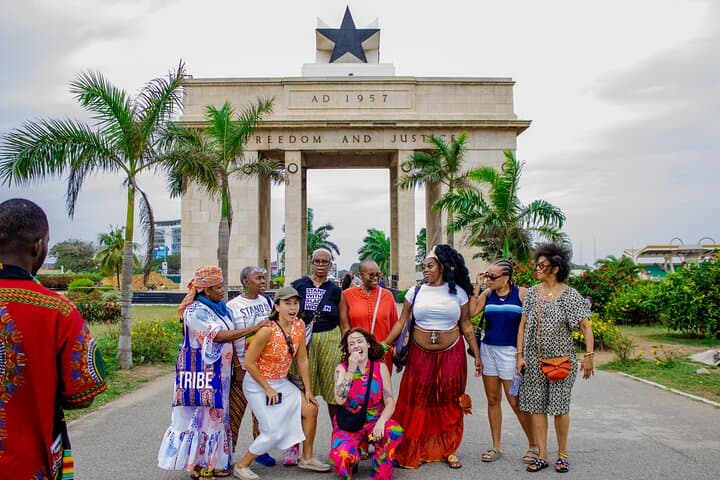
You step from an air‑conditioned van onto hot, black pavement and the roar of Accra—the city’s energy arrives at once: vendors calling, motors humming, and the silhouette of Independence Square cutting a clean line against the sky.
Verified experiences and guided adventures in the surrounding area.
Operated by Tasty Cultural Travel · Accra, Greater Accra Region
You step from an air‑conditioned van onto hot, black pavement and the roar of Accra—the city’s energy arrives at once: vendors calling, motors humming, and the silhouette of Independence Square cutting a clean line against the sky.
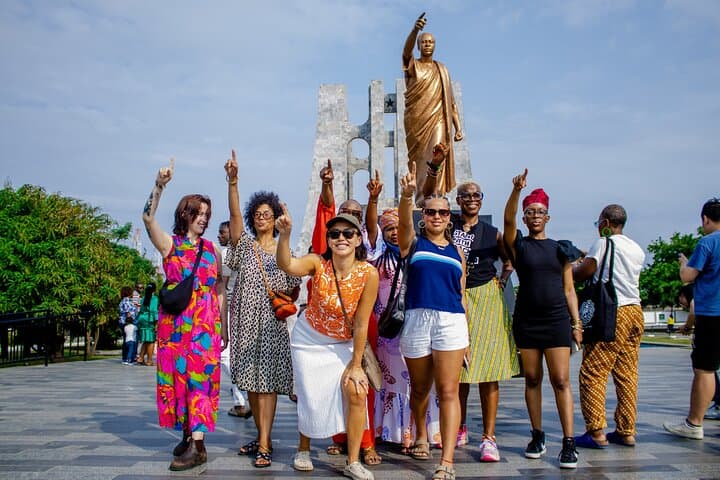
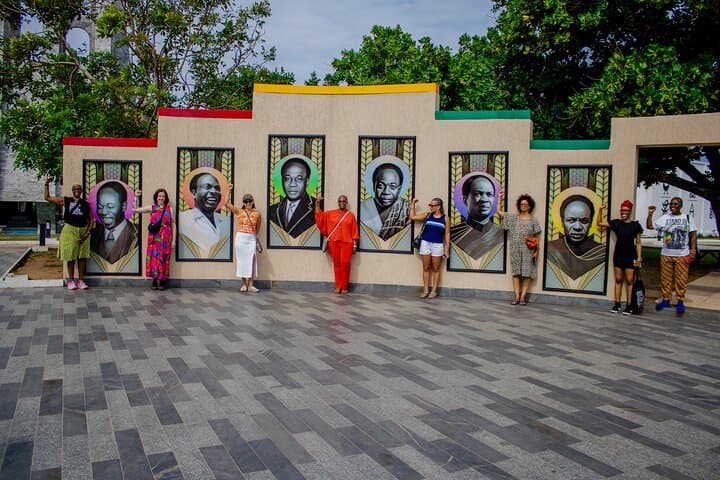
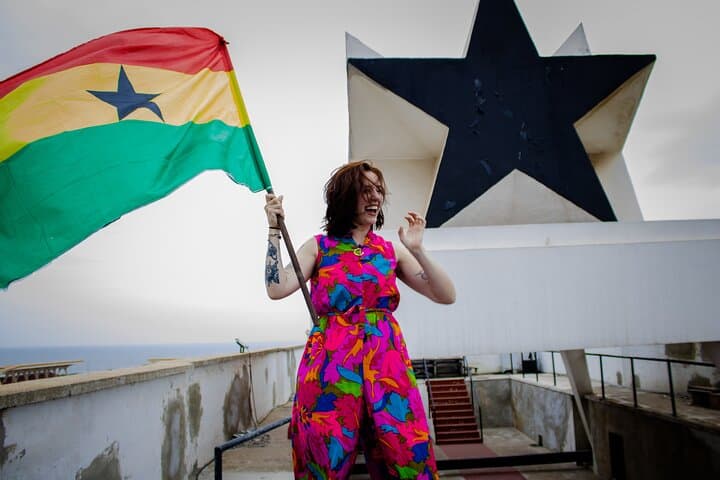
The route moves with purpose. Independence Square introduces Ghana’s political story and its independence from Britain; the National Museum traces the arc from pre‑colonial artifacts to contemporary art; the Kwame Nkrumah Mausoleum and W.E.B. Du Bois Center frame pan‑African history in personal terms. Between sites you’ll thread through Makola Market, where bargaining is kinetic and colors call for a keen eye.
Geologically modest—coastal plain and low hills—Accra’s terrain lets walkers focus on culture, not elevation. The city’s modern face sits atop older Ga fishing settlements; that continuity shapes cuisine, music and market life you’ll encounter. Expect timed visits at museums, a hands‑on drumming and dance segment led by local practitioners, and a Ghanaian lunch to taste staples like jollof and grilled fish.
Practicalities are simple: this is a moderate urban outing with light walking and frequent stops. Bring sun protection, a refillable bottle (bottled water provided), comfortable shoes, local currency for market purchases, and a small backpack. Photography is welcomed but be respectful around memorials and vendors. The tour runs about six hours, is wheelchair‑accessible, and is ideal for travelers wanting concentrated cultural context and efficient logistics.
Come ready to listen, haggle politely, and let the city’s rhythm choose the rest of your pace.
easy.
6 hours.
Suitable for most travelers with the ability to walk 1–3 miles over flat, urban streets and staircases inside some museums.
The tour lasts about six hours (360 minutes) and includes multiple one‑hour stops at key sites.
Yes—museum admissions, a Ghanaian lunch and bottled water are included in the booking.
Yes—the itinerary notes wheelchair‑accessible transportation and surfaces at the included sites.
Guides are local and provide commentary in English; confirm language needs when booking for other options.
Accra grew from Ga fishing settlements and became the colonial capital; Independence Square and the Nkrumah Mausoleum mark the 1957 independence movement.
Urban expansion pressures green spaces; support local museums and small vendors to help preserve cultural heritage and reduce overtourism.
Tasty Cultural Travel operates guided outdoor trips and adventures with an emphasis on safety, stewardship, and memorable experiences.
You step from an air‑conditioned van onto hot, black pavement and the roar of Accra—the city’s energy arrives at once: vendors calling, motors humming, and the silhouette of Independence Square cutting a clean line against the sky.
You step from an air‑conditioned van onto hot, black pavement and the roar of Accra—the city’s energy arrives at once: vendors calling, motors humming, and the silhouette of Independence Square cutting a clean line against the sky.
The route moves with purpose. Independence Square introduces Ghana’s political story and its independence from Britain; the National Museum traces the arc from pre‑colonial artifacts to contemporary art; the Kwame Nkrumah Mausoleum and W.E.B. Du Bois Center frame pan‑African history in personal terms. Between sites you’ll thread through Makola Market, where bargaining is kinetic and colors call for a keen eye.
Geologically modest—coastal plain and low hills—Accra’s terrain lets walkers focus on culture, not elevation. The city’s modern face sits atop older Ga fishing settlements; that continuity shapes cuisine, music and market life you’ll encounter. Expect timed visits at museums, a hands‑on drumming and dance segment led by local practitioners, and a Ghanaian lunch to taste staples like jollof and grilled fish.
Practicalities are simple: this is a moderate urban outing with light walking and frequent stops. Bring sun protection, a refillable bottle (bottled water provided), comfortable shoes, local currency for market purchases, and a small backpack. Photography is welcomed but be respectful around memorials and vendors. The tour runs about six hours, is wheelchair‑accessible, and is ideal for travelers wanting concentrated cultural context and efficient logistics.
Come ready to listen, haggle politely, and let the city’s rhythm choose the rest of your pace.