THE ADVENTURE COLLECTIVE® · Independent discovery and booking for outdoor travel

Board a small research boat off Haleiwa for an educational shark snorkel led by marine biologists. Expect science-driven briefings, close but respectful shark encounters, and practical guidance on how to observe and support local research.
Board a small research boat off Haleiwa for an educational shark snorkel led by marine biologists. Expect science-driven briefings, close but respectful shark encounters, and practical guidance on how to observe and support local research.
The boat slips out of Haleiwa Harbor and the shoreline pulls back — reef flats and steep lava rock fading into open blue. On deck a marine biologist outlines what to watch for: a fin that slices the surface, a slow lateral turn, a head tilt that means curiosity rather than threat. The ride is part lecture, part fieldwork; the ocean becomes a classroom where sharks drive the lesson.
Verified experiences and guided adventures in the surrounding area.
Operated by One Ocean Diving · Haleiwa, Hawaii
The boat slips out of Haleiwa Harbor and the shoreline pulls back — reef flats and steep lava rock fading into open blue. On deck a marine biologist outlines what to watch for: a fin that slices the surface, a slow lateral turn, a head tilt that means curiosity rather than threat. The ride is part lecture, part fieldwork; the ocean becomes a classroom where sharks drive the lesson.
Haleiwa and Oʻahu’s North Shore are built on basalt flows and fringing reefs that funnel pelagic life close to shore seasonally. Sharks — called mano in Hawaiian — have cultural significance as respected kupuna of the sea and figures in ancient navigation and fishing lore. One Ocean Diving grew from a research project into a public program designed to pair safe, science-based encounters with conservation messaging and species ID work that contributes to the Hawaii Shark Count.
Expect a small-boat launch, a safety briefing, and a guided snorkel with a safety diver and marine scientist in the water. Conditions vary: calm, clear days deliver close views of reef sharks and passing pelagics; wind and swell push encounters farther offshore or shorten trips. Practical prep matters — arrive early, secure a good mask fit, and consider motion-sickness prevention if you’re sensitive.
The experience is educational rather than adrenaline-first: you’ll leave with notes on shark body language, how local currents concentrate prey, and ways to support ongoing research. It’s an approachable ocean encounter for competent snorkelers who want conservation context with their wildlife viewing.
easy.
2 hours.
Comfortable swimming ability and basic snorkeling fitness; able to board a small boat and stand during briefings.
The operator advertises frequent shark encounters at research sites, but sightings depend on animal movement and weather; trips can be canceled for safety or lack of sightings.
No — basic snorkeling ability is sufficient; guides provide a full safety briefing and a safety diver is in the water.
The program advises against participation for pregnant travelers due to boat and water conditions.
Bring a towel, reusable water bottle, ID, and reef-safe sunscreen; mask, fins and snorkel are typically provided.
Haleiwa developed as a fishing and plantation town; sharks (mano) hold cultural importance in Hawaiian moʻolelo and traditional fisheries.
Trips support hands-on science: participants learn to contribute to the Hawaii Shark Count; operators emphasize non-chumming, minimal disturbance, and reef-safe practices.
One Ocean Diving operates guided outdoor trips and adventures with an emphasis on safety, stewardship, and memorable experiences.

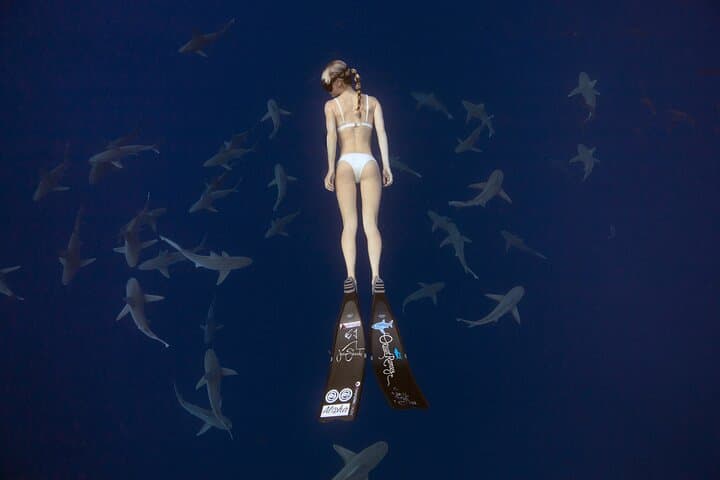

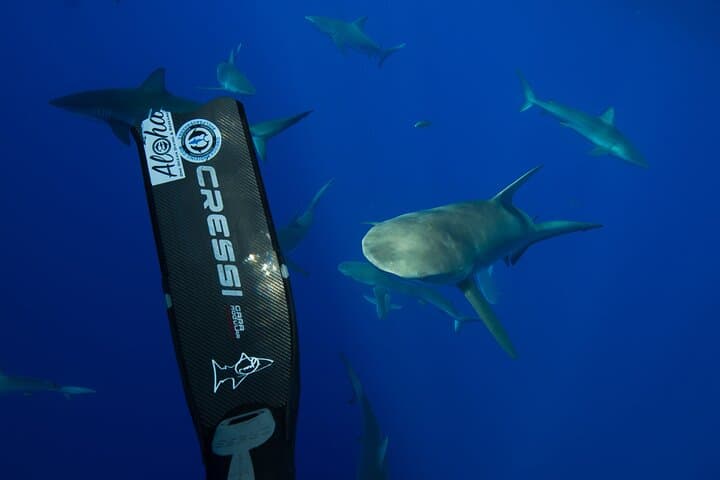
The boat slips out of Haleiwa Harbor and the shoreline pulls back — reef flats and steep lava rock fading into open blue. On deck a marine biologist outlines what to watch for: a fin that slices the surface, a slow lateral turn, a head tilt that means curiosity rather than threat. The ride is part lecture, part fieldwork; the ocean becomes a classroom where sharks drive the lesson.
The boat slips out of Haleiwa Harbor and the shoreline pulls back — reef flats and steep lava rock fading into open blue. On deck a marine biologist outlines what to watch for: a fin that slices the surface, a slow lateral turn, a head tilt that means curiosity rather than threat. The ride is part lecture, part fieldwork; the ocean becomes a classroom where sharks drive the lesson.
Haleiwa and Oʻahu’s North Shore are built on basalt flows and fringing reefs that funnel pelagic life close to shore seasonally. Sharks — called mano in Hawaiian — have cultural significance as respected kupuna of the sea and figures in ancient navigation and fishing lore. One Ocean Diving grew from a research project into a public program designed to pair safe, science-based encounters with conservation messaging and species ID work that contributes to the Hawaii Shark Count.
Expect a small-boat launch, a safety briefing, and a guided snorkel with a safety diver and marine scientist in the water. Conditions vary: calm, clear days deliver close views of reef sharks and passing pelagics; wind and swell push encounters farther offshore or shorten trips. Practical prep matters — arrive early, secure a good mask fit, and consider motion-sickness prevention if you’re sensitive.
The experience is educational rather than adrenaline-first: you’ll leave with notes on shark body language, how local currents concentrate prey, and ways to support ongoing research. It’s an approachable ocean encounter for competent snorkelers who want conservation context with their wildlife viewing.