THE ADVENTURE COLLECTIVE® · Independent discovery and booking for outdoor travel

Ride up through Maui’s Upcountry to Haleakala’s 10,023-foot rim for a boxed dinner, interpretive guide talks, and one of the island’s most dramatic sunsets. Expect close-up geology, Hawaiian culture, and a stargazing finale in cold, high-elevation air.
Ride up through Maui’s Upcountry to Haleakala’s 10,023-foot rim for a boxed dinner, interpretive guide talks, and one of the island’s most dramatic sunsets. Expect close-up geology, Hawaiian culture, and a stargazing finale in cold, high-elevation air.
The van winds up past Kula’s rolling farms as salt and mountain air trade places; by the time you step onto the 10,023-foot rim the sun has already begun to tilt, painting the crater’s rust and pumice in sudden gold.
Verified experiences and guided adventures in the surrounding area.
Operated by Bike Maui AND Haleakala EcoTours · Kula, HI
The van winds up past Kula’s rolling farms as salt and mountain air trade places; by the time you step onto the 10,023-foot rim the sun has already begun to tilt, painting the crater’s rust and pumice in sudden gold.
This guided sunset experience moves from Upcountry farms to Haleakala National Park with stops at Kula Bistro for boxed dinners and interpretive commentary along the way. Guides explain Haleakala’s volcanic origin—an ancient shield volcano now sculpted by erosion—and the unique high-elevation ecosystem that supports endemic plants and the nēnē goose. You’ll hear stories of traditional Polynesian navigation and Hawaiian mythology that tie the summit to island identity.
Expect clear, sharp light before the sun drops, then a cold, expansive dusk that yields excellent stargazing once night falls; the summit’s thin air and low light pollution make constellations honest company. Walks at the rim are short but can be on uneven volcanic rock; the vehicle portion covers much of the route, making this accessible to most travelers.
Practical notes: plan for a 6-hour window, bring layers (temperatures can fall below freezing), potable water, and sturdy shoes for short crater-edge walks. There is a park entrance fee and limited parking—book the sunset slot that includes transportation to avoid summit congestion. If altitude affects you, move slowly, hydrate, and let your guide know; they’re trained to adapt the experience for comfort and safety.
easy.
6 hours.
Suitable for most fitness levels—able to sit for van transfers and do short, uneven walks at elevation
Yes—this is designed for broad accessibility with short walks and vehicle transport, but notify the operator of mobility needs so guides can accommodate.
Some visitors feel lightheaded at 10,000 feet; hydrate, move slowly, inform your guide of any symptoms, and avoid heavy exertion if you’re sensitive to altitude.
Many commercial tours include park entrance in their pricing, but confirm when booking; otherwise an entrance fee to Haleakala National Park is required.
Layered clothing, a windproof jacket, warm hat and gloves, and closed-toe shoes are recommended—temperatures can be drastically colder than the coast.
Haleakala is the remnant of a shield volcano shaped by erosion and long-held in Hawaiian cultural tradition; the summit is referenced in creation chants and navigation lore.
High-elevation ecosystems are fragile—stick to trails, carry out waste, and avoid disturbing endemic plants and birds to minimize impact.
Bike Maui AND Haleakala EcoTours operates guided outdoor trips and adventures with an emphasis on safety, stewardship, and memorable experiences.
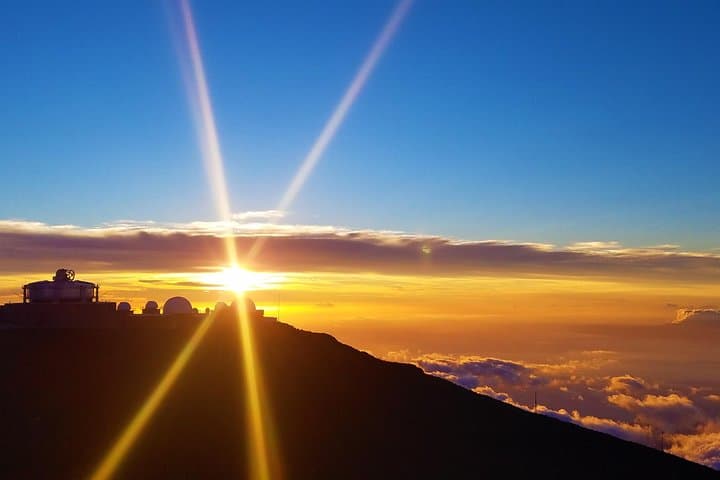
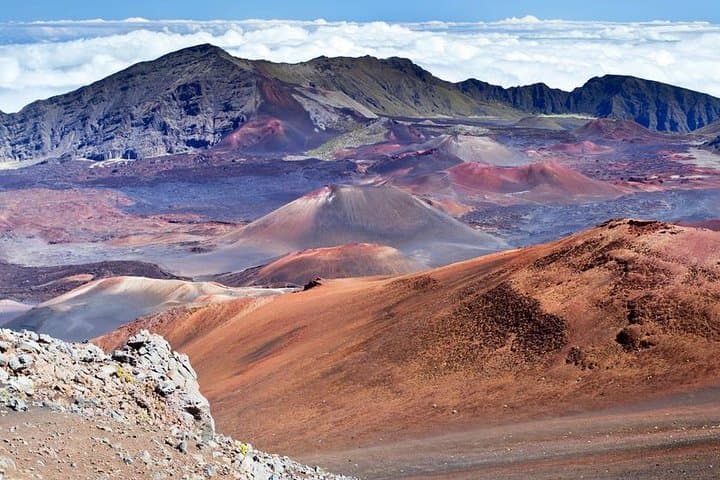
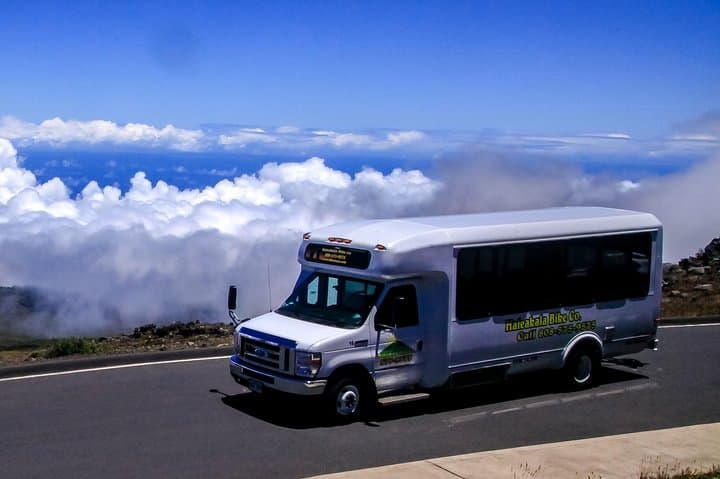
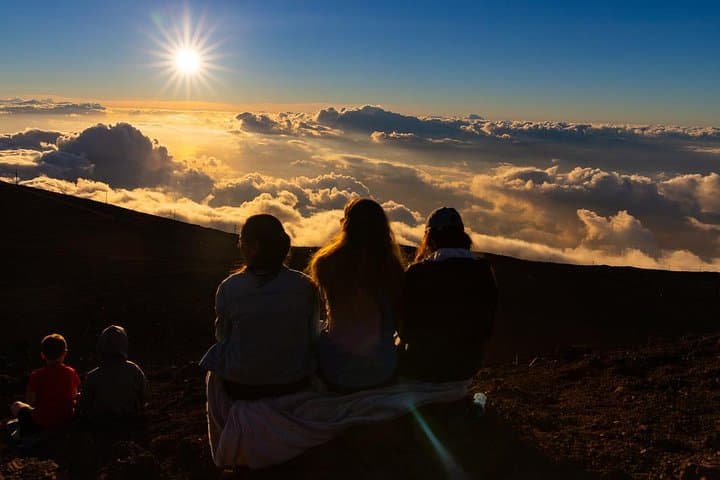
The van winds up past Kula’s rolling farms as salt and mountain air trade places; by the time you step onto the 10,023-foot rim the sun has already begun to tilt, painting the crater’s rust and pumice in sudden gold.
The van winds up past Kula’s rolling farms as salt and mountain air trade places; by the time you step onto the 10,023-foot rim the sun has already begun to tilt, painting the crater’s rust and pumice in sudden gold.
This guided sunset experience moves from Upcountry farms to Haleakala National Park with stops at Kula Bistro for boxed dinners and interpretive commentary along the way. Guides explain Haleakala’s volcanic origin—an ancient shield volcano now sculpted by erosion—and the unique high-elevation ecosystem that supports endemic plants and the nēnē goose. You’ll hear stories of traditional Polynesian navigation and Hawaiian mythology that tie the summit to island identity.
Expect clear, sharp light before the sun drops, then a cold, expansive dusk that yields excellent stargazing once night falls; the summit’s thin air and low light pollution make constellations honest company. Walks at the rim are short but can be on uneven volcanic rock; the vehicle portion covers much of the route, making this accessible to most travelers.
Practical notes: plan for a 6-hour window, bring layers (temperatures can fall below freezing), potable water, and sturdy shoes for short crater-edge walks. There is a park entrance fee and limited parking—book the sunset slot that includes transportation to avoid summit congestion. If altitude affects you, move slowly, hydrate, and let your guide know; they’re trained to adapt the experience for comfort and safety.