THE ADVENTURE COLLECTIVE® · Independent discovery and booking for outdoor travel

Catch sunrise from Haleakalā’s 9,740-ft rim with an early-morning coach ride and a local breakfast. Expect cold temps, sweeping volcanic views, and close encounters with endemic plants and birds.
Catch sunrise from Haleakalā’s 9,740-ft rim with an early-morning coach ride and a local breakfast. Expect cold temps, sweeping volcanic views, and close encounters with endemic plants and birds.
You climb before dawn, the coach crawling through Kula’s quiet slopes while the sky bruises from navy to indigo. At 9,740 feet the summit is a hard, cold theater — wind carving the air, clouds pooling in the crater like slow-moving sea. Visitors gather at the ridge; breaths fog in the beam of headlamps as the horizon begins to flare. When the sun clears the lip of Haleakalā it pushes color across lava-formed ridges and silvery alpine plants, and the moment feels deliberate, almost rehearsed.
Verified experiences and guided adventures in the surrounding area.
Operated by Polynesian Adventure Tours · Kahului, Hawaii
You climb before dawn, the coach crawling through Kula’s quiet slopes while the sky bruises from navy to indigo. At 9,740 feet the summit is a hard, cold theater — wind carving the air, clouds pooling in the crater like slow-moving sea. Visitors gather at the ridge; breaths fog in the beam of headlamps as the horizon begins to flare. When the sun clears the lip of Haleakalā it pushes color across lava-formed ridges and silvery alpine plants, and the moment feels deliberate, almost rehearsed.
Geology here reads in volcanic language: Haleakalā is a massive shield volcano whose last major activity shaped broad slopes and a 7-mile-wide crater. The summit supports endemic life — the rare silversword clings to volcanic cinders and the nēnē, Hawaii’s native goose, patrols scrubby flats. Culturally the mountain is noho (house) of the sun in Hawaiian tradition; ancestors treated it as a sacred place and modern stewardship balances access with protection.
Practically, the tour is a long, early-day circuit: round-trip transport from central Maui, summit viewing at dawn, then a local-style breakfast in the islands’ upcountry. Dress in layers for sub-freezing temps and gusts, and give yourself time to acclimate; altitude can make the first steps feel heavy. Cameras and warm beverages are essential; scope your shots quickly and respect posted closures to protect fragile plants. With planning — advance pickup confirmation, layered clothing, and a bit of patience — this is an efficient, high-impact way to experience Maui’s high country and a sunrise you’ll actually remember.
easy.
10 hours.
Suitable for travelers in average health who can sit for extended transfers and walk short distances on uneven ground
No — summit cloud cover and weather are variable; tours operate rain or shine and clear views cannot be guaranteed.
Temperatures often range from near freezing to the low 40s°F (0–7°C); wind can make it feel colder, so dress in warm layers.
High elevation can affect those with heart or respiratory conditions and guests who have dived recently; consult a doctor and avoid if advised.
Yes — a local sit-down breakfast is included, typically at a nearby upcountry restaurant after the descent.
Haleakalā is central to Hawaiian cosmology as the ‘house of the sun’; geologically it’s a shield volcano that shaped East Maui’s landscape over hundreds of thousands of years.
Park rules protect fragile silversword populations and unique alpine habitat—stay on designated paths, carry out trash, and follow ranger guidance.
Polynesian Adventure Tours operates guided outdoor trips and adventures with an emphasis on safety, stewardship, and memorable experiences.
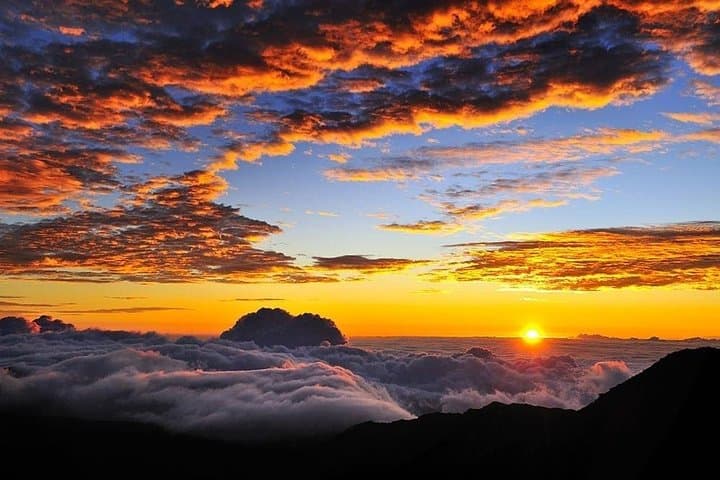
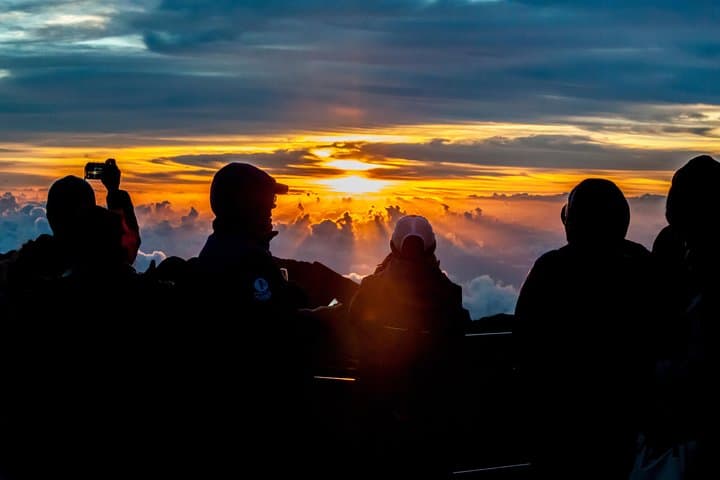
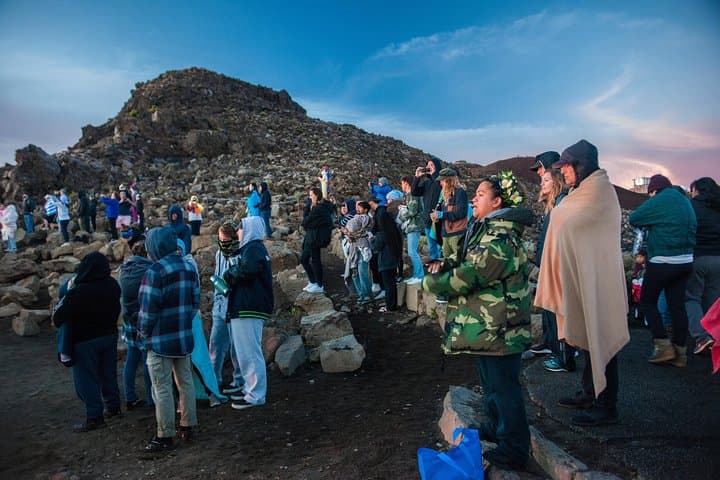
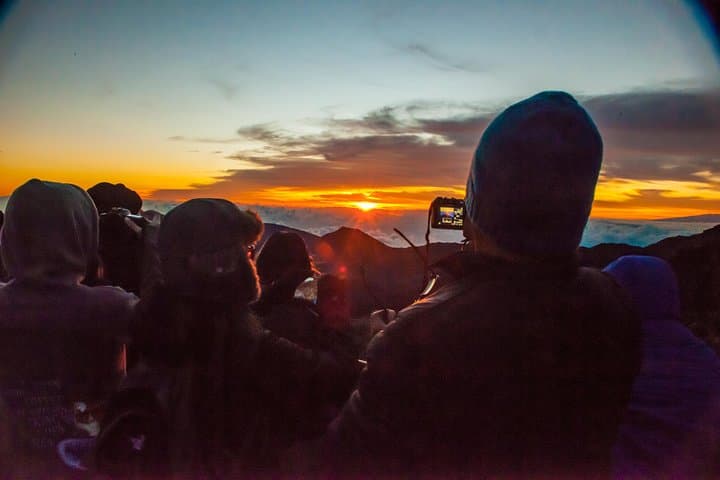
You climb before dawn, the coach crawling through Kula’s quiet slopes while the sky bruises from navy to indigo. At 9,740 feet the summit is a hard, cold theater — wind carving the air, clouds pooling in the crater like slow-moving sea. Visitors gather at the ridge; breaths fog in the beam of headlamps as the horizon begins to flare. When the sun clears the lip of Haleakalā it pushes color across lava-formed ridges and silvery alpine plants, and the moment feels deliberate, almost rehearsed.
You climb before dawn, the coach crawling through Kula’s quiet slopes while the sky bruises from navy to indigo. At 9,740 feet the summit is a hard, cold theater — wind carving the air, clouds pooling in the crater like slow-moving sea. Visitors gather at the ridge; breaths fog in the beam of headlamps as the horizon begins to flare. When the sun clears the lip of Haleakalā it pushes color across lava-formed ridges and silvery alpine plants, and the moment feels deliberate, almost rehearsed.
Geology here reads in volcanic language: Haleakalā is a massive shield volcano whose last major activity shaped broad slopes and a 7-mile-wide crater. The summit supports endemic life — the rare silversword clings to volcanic cinders and the nēnē, Hawaii’s native goose, patrols scrubby flats. Culturally the mountain is noho (house) of the sun in Hawaiian tradition; ancestors treated it as a sacred place and modern stewardship balances access with protection.
Practically, the tour is a long, early-day circuit: round-trip transport from central Maui, summit viewing at dawn, then a local-style breakfast in the islands’ upcountry. Dress in layers for sub-freezing temps and gusts, and give yourself time to acclimate; altitude can make the first steps feel heavy. Cameras and warm beverages are essential; scope your shots quickly and respect posted closures to protect fragile plants. With planning — advance pickup confirmation, layered clothing, and a bit of patience — this is an efficient, high-impact way to experience Maui’s high country and a sunrise you’ll actually remember.