THE ADVENTURE COLLECTIVE® · Independent discovery and booking for outdoor travel

Catch sunrise at Haleakala, then ride a mostly downhill 20‑mile self‑guided route from ~6,500 ft through switchbacks, volcanic landscapes and Upcountry Maui. Expect dramatic light, variable temperatures and a long, technical descent that’s best for confident cyclists.
Catch sunrise at Haleakala, then ride a mostly downhill 20‑mile self‑guided route from ~6,500 ft through switchbacks, volcanic landscapes and Upcountry Maui. Expect dramatic light, variable temperatures and a long, technical descent that’s best for confident cyclists.
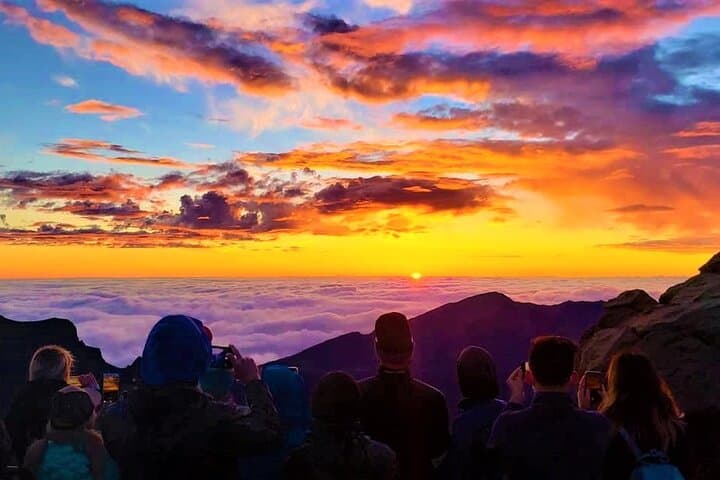
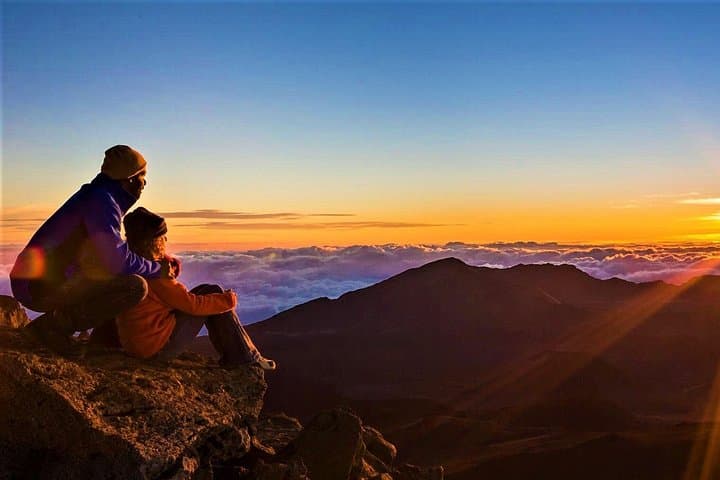
You stand at the rim as night gives up the sky: the air is thin, cool and low with salt, and the crater below holds the first pale light. Haleakala’s high slope yawns away, and for a few heartbeats the island feels pared down to wind, rock and the low murmur of other early risers. After the park’s sunrise ritual, riders clip in and begin a mostly downhill 20‑mile run that bends through volcanic terrain, eucalyptus groves and the rolling pastures of Upcountry Maui.
Verified experiences and guided adventures in the surrounding area.
Operated by Bike Maui AND Haleakala EcoTours · Haiku, Hawaii
You stand at the rim as night gives up the sky: the air is thin, cool and low with salt, and the crater below holds the first pale light. Haleakala’s high slope yawns away, and for a few heartbeats the island feels pared down to wind, rock and the low murmur of other early risers. After the park’s sunrise ritual, riders clip in and begin a mostly downhill 20‑mile run that bends through volcanic terrain, eucalyptus groves and the rolling pastures of Upcountry Maui.
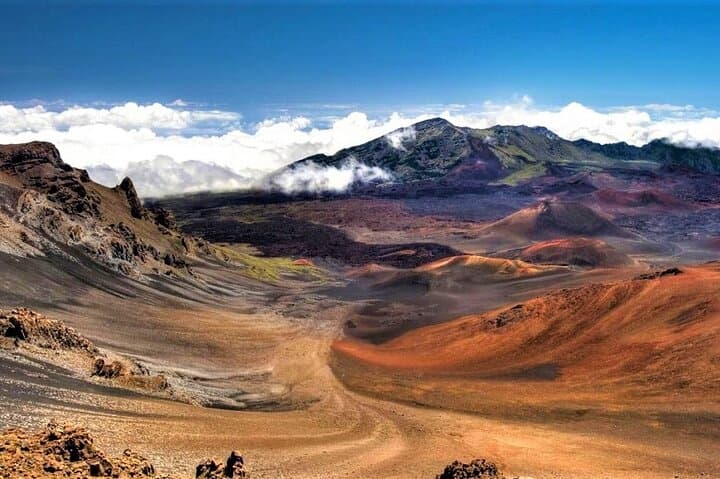
Geology and history are visible on the descent — the shield volcano’s lava flows and cinder cones are recent enough to read in the grey, pocked rock, and the summit is home to the rare silversword plant. Native Hawaiian stories name the mountain as a place of gods and moons; more recently it’s been managed as a national park to protect fragile alpine ecosystems and cultural sites.
Expect paved mountain roads with long grades, tight switchbacks (the famous “Fabulous 29”), occasional gravel shoulders and notable elevation loss from roughly 6,500 ft to near sea level in town. The pace is yours—this is self‑guided—but wind and temperatures change quickly; mornings can be below freezing up top and pleasantly warm in Haiku.
Practical guidance: book park entry and arrive early to clear sunrise logistics; use a well‑tuned bike, practice controlled braking, and ride conservative on blind corners. Bring layers, eye protection for wind-driven dust, and at least 1.5–2 liters of water. Finish lines in Makawao or Haiku offer coffee and breakfast for a proper cooldown.
moderate.
6–7 hours.
Moderate — regular cyclists or fit hikers comfortable with long downhill control and repeated braking; recent bike experience required.
Meet at the operator’s Haiku Marketplace shop (810 Haiku Rd). The shuttle meets you mid-route above Makawao to continue biking back to Haiku; exact pickup details are confirmed at booking.
Riders must be at least 12–15 years old depending on booking conditions, at least 4'10" tall, and under 270 lbs; recent bike experience is required.
Sunrise at the summit can be below freezing; bring insulated layers and a windproof shell — jackets and park-provided wind suits are included.
Full refund if canceled at least 24 hours prior; tours may be canceled for bad weather or insufficient travelers with refund options outlined in booking.
Haleakala is a culturally significant volcanic summit in Hawaiian tradition; the national park protects archaeological trails and endemic plants like the silversword.
Stay on paved roads and marked areas to protect fragile alpine plants, avoid feeding wildlife, and pack out all trash; sunscreen with oxybenzone-free formula helps protect reef and native habitats.
Bike Maui AND Haleakala EcoTours operates guided outdoor trips and adventures with an emphasis on safety, stewardship, and memorable experiences.
You stand at the rim as night gives up the sky: the air is thin, cool and low with salt, and the crater below holds the first pale light. Haleakala’s high slope yawns away, and for a few heartbeats the island feels pared down to wind, rock and the low murmur of other early risers. After the park’s sunrise ritual, riders clip in and begin a mostly downhill 20‑mile run that bends through volcanic terrain, eucalyptus groves and the rolling pastures of Upcountry Maui.
You stand at the rim as night gives up the sky: the air is thin, cool and low with salt, and the crater below holds the first pale light. Haleakala’s high slope yawns away, and for a few heartbeats the island feels pared down to wind, rock and the low murmur of other early risers. After the park’s sunrise ritual, riders clip in and begin a mostly downhill 20‑mile run that bends through volcanic terrain, eucalyptus groves and the rolling pastures of Upcountry Maui.
Geology and history are visible on the descent — the shield volcano’s lava flows and cinder cones are recent enough to read in the grey, pocked rock, and the summit is home to the rare silversword plant. Native Hawaiian stories name the mountain as a place of gods and moons; more recently it’s been managed as a national park to protect fragile alpine ecosystems and cultural sites.
Expect paved mountain roads with long grades, tight switchbacks (the famous “Fabulous 29”), occasional gravel shoulders and notable elevation loss from roughly 6,500 ft to near sea level in town. The pace is yours—this is self‑guided—but wind and temperatures change quickly; mornings can be below freezing up top and pleasantly warm in Haiku.
Practical guidance: book park entry and arrive early to clear sunrise logistics; use a well‑tuned bike, practice controlled braking, and ride conservative on blind corners. Bring layers, eye protection for wind-driven dust, and at least 1.5–2 liters of water. Finish lines in Makawao or Haiku offer coffee and breakfast for a proper cooldown.