THE ADVENTURE COLLECTIVE® · Independent discovery and booking for outdoor travel

Descend into Haleakalā’s crater on the Sliding Sands and Halemauʻu trails for a 4-mile, high-elevation hike that combines volcanic scenery, rare plants, and sweeping summit views. This guided tour covers varied cinder terrain and includes lunch and local insights.
Descend into Haleakalā’s crater on the Sliding Sands and Halemauʻu trails for a 4-mile, high-elevation hike that combines volcanic scenery, rare plants, and sweeping summit views. This guided tour covers varied cinder terrain and includes lunch and local insights.
At just over 10,000 feet the air thins and the landscape changes from forest to a moonscape of cinder, scrub, and sculpted ridgelines. Hiking the Sliding Sands (Keoneheʻeheʻe) and Halemauʻu trails places you into Haleakalā’s raw geology: ancient lava flows, wind-polished ash, and the silver-green rosettes of endemic plants holding ground in sparse soil.
Verified experiences and guided adventures in the surrounding area.
Operated by Hike Maui · Kula, Hawaii
At just over 10,000 feet the air thins and the landscape changes from forest to a moonscape of cinder, scrub, and sculpted ridgelines. Hiking the Sliding Sands (Keoneheʻeheʻe) and Halemauʻu trails places you into Haleakalā’s raw geology: ancient lava flows, wind-polished ash, and the silver-green rosettes of endemic plants holding ground in sparse soil.
Geologically the crater is a collapsed shield volcano whose last major eruptions shaped broad slopes and expansive cinder fields. Culturally, Haleakalā is central to Hawaiian stories and seasonal practices — visitors pass through areas once used for travel, food gathering, and ceremonial observation. The park protects rare flora like the silversword and provides habitat for the nēnē, Hawaii’s state bird.
Expect a 4-mile guided outing that descends into crater basins and climbs back to the summit, with point-to-point views across deep rifts and towards the Pacific. Trails alternate between packed volcanic cinder and rocky tread; wind and rapid weather shifts are common. Guides include lunch and snacks and set a steady pace suitable for moderately fit hikers.
Plan for layers, strong sun protection, and reduced oxygen at altitude — it feels harder than the mileage implies. Start early to avoid the coldest winds and to take advantage of clearer skies. Stay on marked routes to protect fragile alpine plants. With steady footing and proper hydration, this hike delivers stark panoramas, quiet crater expanses, and an accessible high-elevation experience that captures both the geological and cultural pulse of Maui.
moderate.
7 hours.
Good cardiovascular fitness for sustained uphill sections and high-altitude breathing; regular walkers who train on hills will be comfortable.
Although the mileage is moderate (~4 miles total), the altitude above 8,000–10,000 feet makes exertion feel harder; pace yourself and hydrate.
Haleakalā National Park requires entrance fees; guided tour operators typically handle park access as part of the booking.
Minimum age for this tour is typically 8; assess a child’s stamina and acclimatization before booking.
Conditions change rapidly—sun, wind, fog, and occasional cold rain or snow in winter—so dress in layers and be prepared for reduced visibility.
Haleakalā is a collapsed shield volcano with centuries of Native Hawaiian cultural significance; its summit was used for seasonal observation and traditional practices.
The alpine-scrub ecosystem is fragile and hosts endemic species; stay on trails, avoid disturbing plants like the silversword, and follow Leave No Trace practices.
Hike Maui operates guided outdoor trips and adventures with an emphasis on safety, stewardship, and memorable experiences.
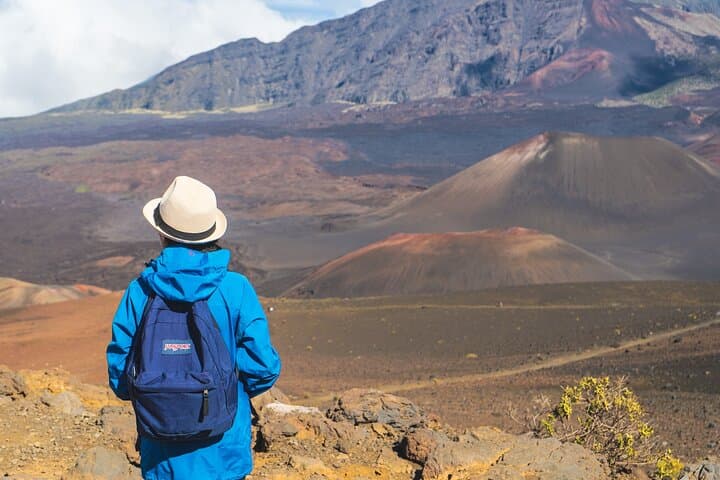
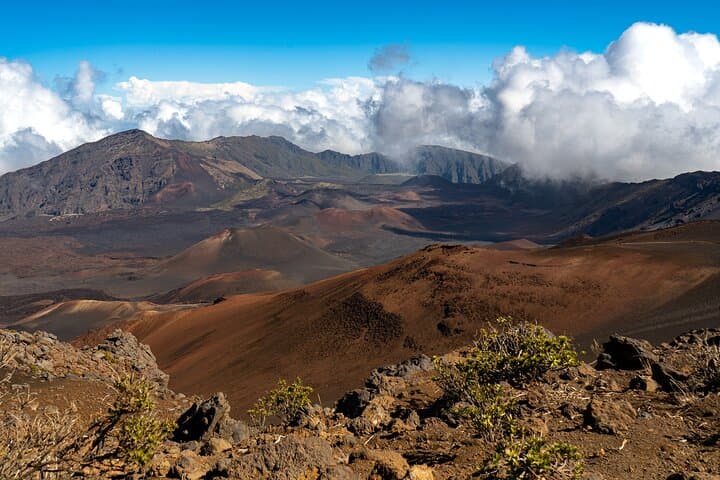
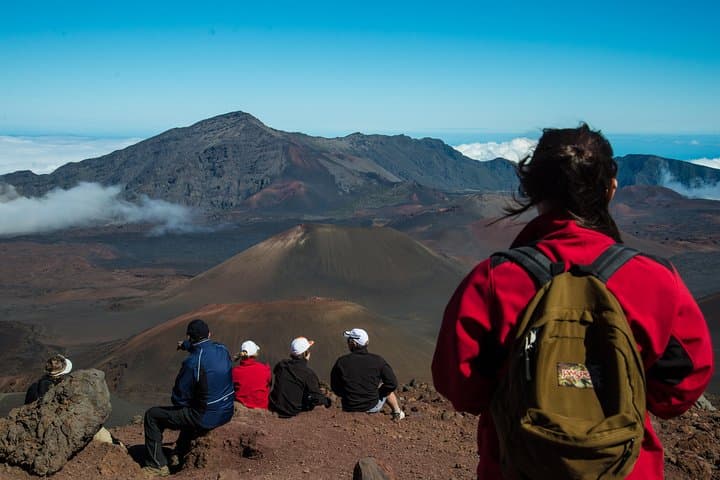
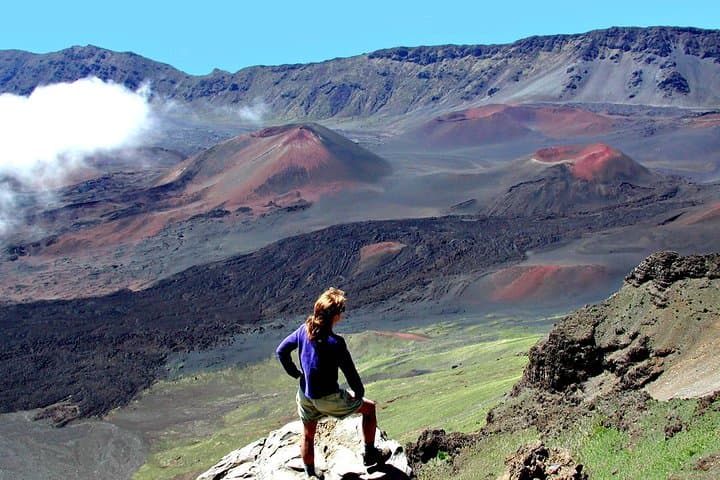
At just over 10,000 feet the air thins and the landscape changes from forest to a moonscape of cinder, scrub, and sculpted ridgelines. Hiking the Sliding Sands (Keoneheʻeheʻe) and Halemauʻu trails places you into Haleakalā’s raw geology: ancient lava flows, wind-polished ash, and the silver-green rosettes of endemic plants holding ground in sparse soil.
At just over 10,000 feet the air thins and the landscape changes from forest to a moonscape of cinder, scrub, and sculpted ridgelines. Hiking the Sliding Sands (Keoneheʻeheʻe) and Halemauʻu trails places you into Haleakalā’s raw geology: ancient lava flows, wind-polished ash, and the silver-green rosettes of endemic plants holding ground in sparse soil.
Geologically the crater is a collapsed shield volcano whose last major eruptions shaped broad slopes and expansive cinder fields. Culturally, Haleakalā is central to Hawaiian stories and seasonal practices — visitors pass through areas once used for travel, food gathering, and ceremonial observation. The park protects rare flora like the silversword and provides habitat for the nēnē, Hawaii’s state bird.
Expect a 4-mile guided outing that descends into crater basins and climbs back to the summit, with point-to-point views across deep rifts and towards the Pacific. Trails alternate between packed volcanic cinder and rocky tread; wind and rapid weather shifts are common. Guides include lunch and snacks and set a steady pace suitable for moderately fit hikers.
Plan for layers, strong sun protection, and reduced oxygen at altitude — it feels harder than the mileage implies. Start early to avoid the coldest winds and to take advantage of clearer skies. Stay on marked routes to protect fragile alpine plants. With steady footing and proper hydration, this hike delivers stark panoramas, quiet crater expanses, and an accessible high-elevation experience that captures both the geological and cultural pulse of Maui.