THE ADVENTURE COLLECTIVE® · Independent discovery and booking for outdoor travel

Step into a family home in Istanbul to learn halay and other Turkish wedding dances from a local couple. This two-hour, hands-on workshop combines cultural context with practical instruction — tea included.
Step into a family home in Istanbul to learn halay and other Turkish wedding dances from a local couple. This two-hour, hands-on workshop combines cultural context with practical instruction — tea included.
The room hums before the first step — a low drum roll, the scrape of fingers on a saz, and steam rising from a tray of strong Turkish tea on a small table. You enter a family living room where the hosts, a couple rooted in regional dance traditions, welcome you with a smile and an invitation to move. The experience shifts quickly from courteous greetings to the steady pulse of halay, the communal line dance that has marked Anatolian weddings for generations.
Verified experiences and guided adventures in the surrounding area.
Operated by Lokal Bond · Istanbul, Istanbul
The room hums before the first step — a low drum roll, the scrape of fingers on a saz, and steam rising from a tray of strong Turkish tea on a small table. You enter a family living room where the hosts, a couple rooted in regional dance traditions, welcome you with a smile and an invitation to move. The experience shifts quickly from courteous greetings to the steady pulse of halay, the communal line dance that has marked Anatolian weddings for generations.
Halay and related folk dances trace back centuries across southeastern and central Anatolia; each region stamps the moves with distinct rhythms and hand-hold styles. In Istanbul, those local traditions arrive alongside the city’s layered history — a place where Europe and Asia meet, and simple home spaces often double as stages for culture to carry on.
Expect an intimate, hands-on two-hour session: a short cultural introduction, demonstrations of regional variations, and guided practice until the line feels familiar. The hosts explain social contexts — when a dance signals celebration versus ritual — and finish with tea on a terrace or balcony where city sounds filter in.
Practically, you’ll be standing, shifting weight, and following counts; moderate fitness and basic coordination help. Comfortable shoes, modest but flexible clothing, and an open attitude matter more than experience. Small-group size makes the workshop personal; bring questions about local weddings, regional origins, and how music shapes movement. Leave with a usable set of steps and a clearer sense of how public rites and private homes keep living tradition moving.
moderate.
2 hours.
Moderate—able to stand and move rhythmically for repeated short sequences; basic balance recommended
No — the workshop is designed for beginners; instructors break moves into simple counts and build them progressively.
The hosts accept small groups; children with good stamina can participate but check age suitability and safety with the operator first.
Most hosts offer instruction in English and Turkish; confirm language needs when booking if you require another language.
No — the meeting point is at the host’s residence; public transit is usually available nearby and exact directions are provided after booking.
Halay and similar line dances are shared across Anatolia; they evolved as communal rites at weddings and seasonal festivals and vary regionally in rhythm and hand connection.
Home-based cultural experiences have a light environmental footprint; support hosts by respecting private spaces, minimizing noise, and avoiding single-use plastics during visits.
Lokal Bond operates guided outdoor trips and adventures with an emphasis on safety, stewardship, and memorable experiences.
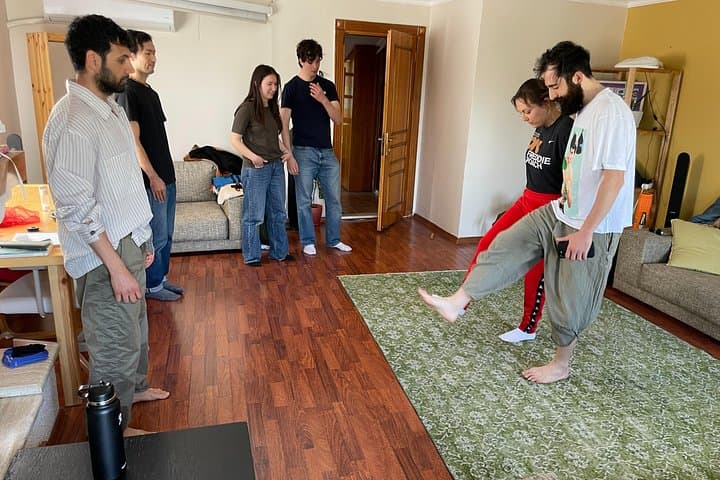
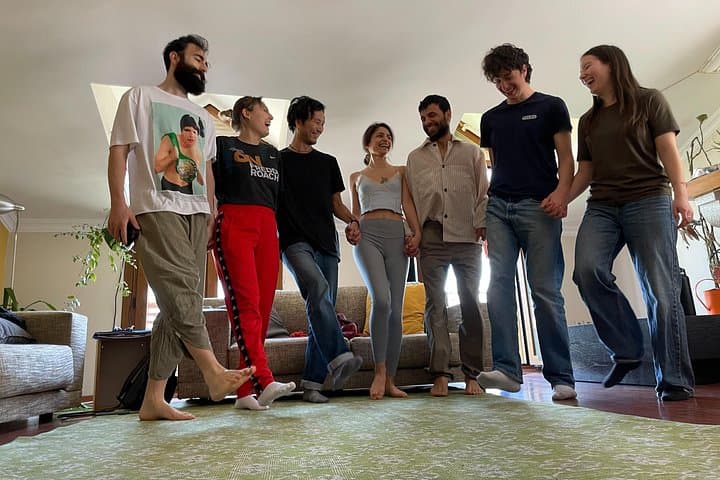
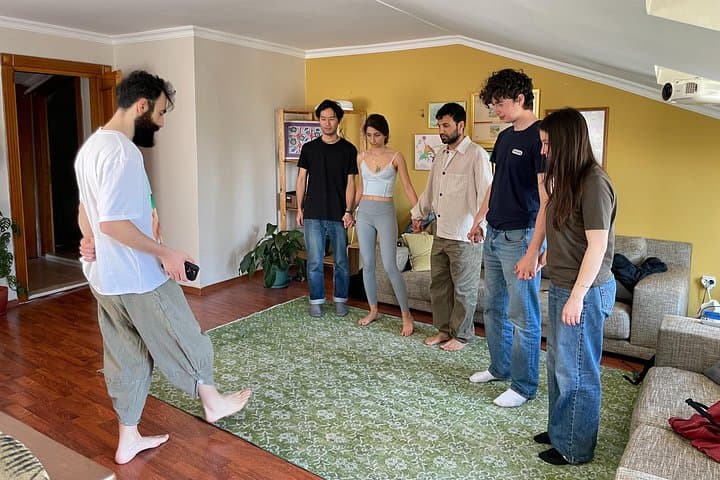
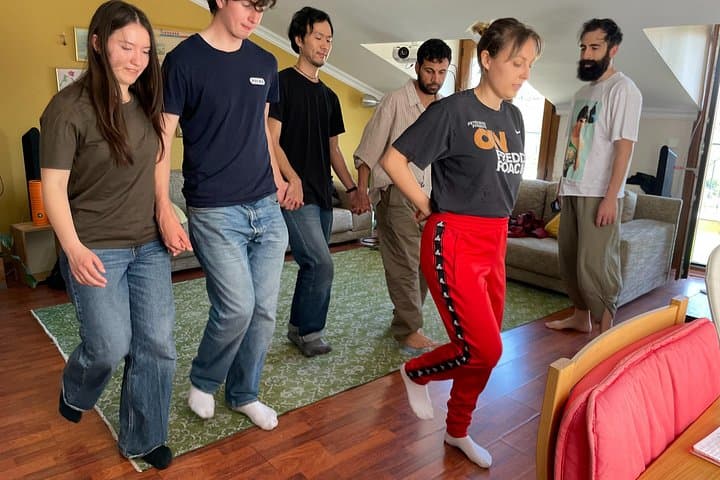
The room hums before the first step — a low drum roll, the scrape of fingers on a saz, and steam rising from a tray of strong Turkish tea on a small table. You enter a family living room where the hosts, a couple rooted in regional dance traditions, welcome you with a smile and an invitation to move. The experience shifts quickly from courteous greetings to the steady pulse of halay, the communal line dance that has marked Anatolian weddings for generations.
The room hums before the first step — a low drum roll, the scrape of fingers on a saz, and steam rising from a tray of strong Turkish tea on a small table. You enter a family living room where the hosts, a couple rooted in regional dance traditions, welcome you with a smile and an invitation to move. The experience shifts quickly from courteous greetings to the steady pulse of halay, the communal line dance that has marked Anatolian weddings for generations.
Halay and related folk dances trace back centuries across southeastern and central Anatolia; each region stamps the moves with distinct rhythms and hand-hold styles. In Istanbul, those local traditions arrive alongside the city’s layered history — a place where Europe and Asia meet, and simple home spaces often double as stages for culture to carry on.
Expect an intimate, hands-on two-hour session: a short cultural introduction, demonstrations of regional variations, and guided practice until the line feels familiar. The hosts explain social contexts — when a dance signals celebration versus ritual — and finish with tea on a terrace or balcony where city sounds filter in.
Practically, you’ll be standing, shifting weight, and following counts; moderate fitness and basic coordination help. Comfortable shoes, modest but flexible clothing, and an open attitude matter more than experience. Small-group size makes the workshop personal; bring questions about local weddings, regional origins, and how music shapes movement. Leave with a usable set of steps and a clearer sense of how public rites and private homes keep living tradition moving.