THE ADVENTURE COLLECTIVE® · Independent discovery and booking for outdoor travel

A gentle 3 km valley walk in Hakone that pairs Shinrin-yoku by a mountain river with afternoon tea at a century-old wagashi shop. Expect peaceful riverside trails, a guided forest-bathing pause, and handcrafted Japanese sweets.
A gentle 3 km valley walk in Hakone that pairs Shinrin-yoku by a mountain river with afternoon tea at a century-old wagashi shop. Expect peaceful riverside trails, a guided forest-bathing pause, and handcrafted Japanese sweets.
The trail opens like a quiet page: a narrow riverside path under maple and cedar, the river nudging pebbles and the air cooling as you step deeper into the valley. For the first half hour the path traces the water—stones, small cascades, and shafts of light through the canopy—before descending to a broad river bend where the guide lays out a short rest and refreshments.
Verified experiences and guided adventures in the surrounding area.
Operated by Coconuts Hike Japan · Hakone, Kanagawa
The trail opens like a quiet page: a narrow riverside path under maple and cedar, the river nudging pebbles and the air cooling as you step deeper into the valley. For the first half hour the path traces the water—stones, small cascades, and shafts of light through the canopy—before descending to a broad river bend where the guide lays out a short rest and refreshments.
This is Shinrin-yoku made simple: breathing exercises, listening to current and leaf, and a lenthy pause that resets the pace. Geologically Hakone’s valleys are young, carved by volcanic activity and runoff from surrounding ridgelines; the soil is rich and the slopes hold dense mixed forests that fuel abundant understory growth.
Culturally the walk finishes with a different kind of comfort—afternoon tea at a local wagashi shop that’s produced Japanese confections for over a century. Expect polite conversation with the owner and sweets that hinge on seasonal ingredients.
Practical guidance: the walking loop is about 3 km total and the on-trail time is roughly 1.5 hours including the break, though the full half-day experience (transport and tea) runs longer. Trails are mostly compact dirt and short stair sections—sturdy shoes, a waterproof layer, and a refillable water bottle are smart. Public transit reaches Hakone-Yumoto, and the guide is a national-certified pro with wilderness first-aid training. Travel light, take photos at the valley bottom, and let the river set a slower rhythm—this is an easy-to-moderate walk that rewards steady breathing and quiet observation.
moderate.
2–4 hours.
Moderate fitness: able to walk unassisted for 3 km on uneven terrain with short elevation changes.
The on-trail portion covers about 3 km and takes roughly 1.5 hours including a rest stop; terrain is mostly easy but requires steady footing on dirt paths and short steps.
Yes for most children and older adults who can walk 3 km with occasional steps; guests with serious spinal or heart conditions should avoid this tour per provider guidance.
Public transportation reaches Hakone-Yumoto and nearby stations; the operator provides meeting instructions—arrive early to confirm pickup or meeting location.
A small, traditional confectionery with over 100 years of history where you can sample seasonal Japanese sweets and often talk with the owner about techniques and ingredients.
Hakone’s valleys were shaped by volcanic and erosional forces and have long been travel corridors between coastal Odawara and inland hot springs; local confectionery traditions reflect regional tea culture.
Stick to the marked path to protect understory plants and avoid disturbing riparian zones; local guides emphasize leave-no-trace practices and reducing single-use waste.
Coconuts Hike Japan operates guided outdoor trips and adventures with an emphasis on safety, stewardship, and memorable experiences.
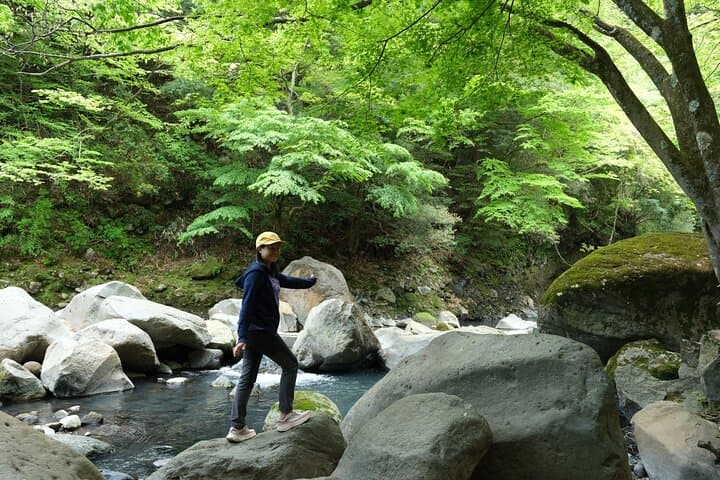
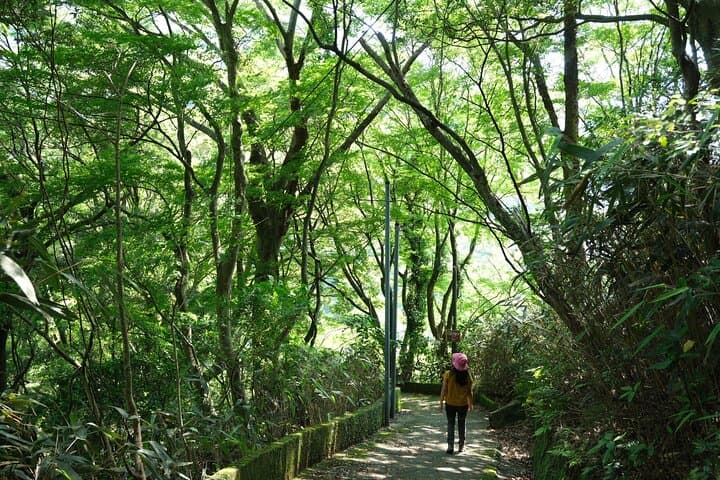
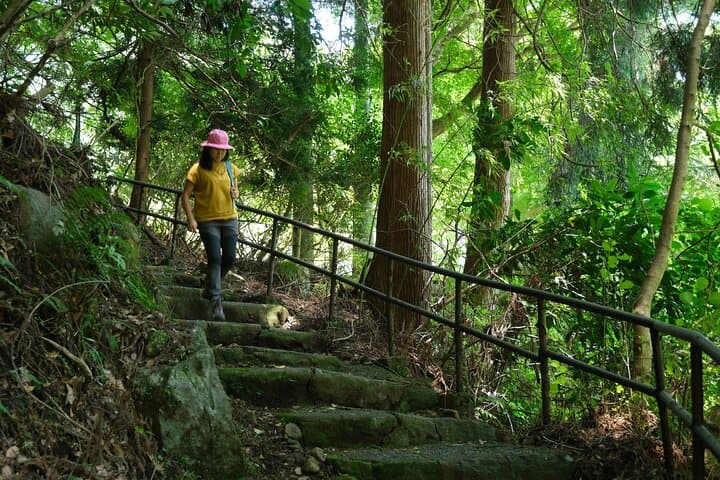
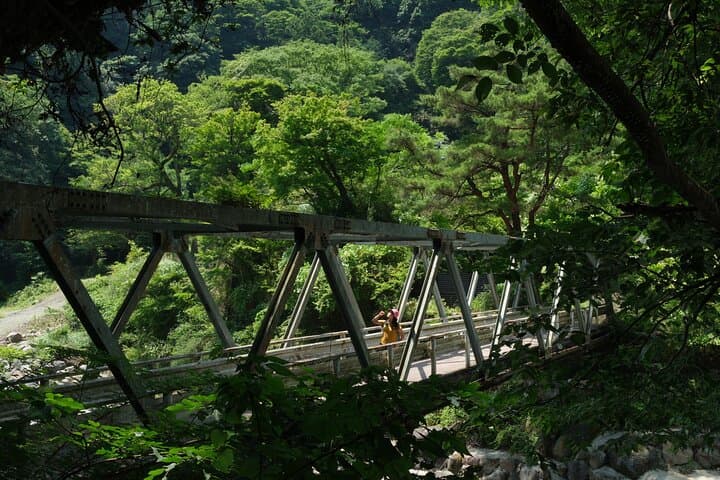
The trail opens like a quiet page: a narrow riverside path under maple and cedar, the river nudging pebbles and the air cooling as you step deeper into the valley. For the first half hour the path traces the water—stones, small cascades, and shafts of light through the canopy—before descending to a broad river bend where the guide lays out a short rest and refreshments.
The trail opens like a quiet page: a narrow riverside path under maple and cedar, the river nudging pebbles and the air cooling as you step deeper into the valley. For the first half hour the path traces the water—stones, small cascades, and shafts of light through the canopy—before descending to a broad river bend where the guide lays out a short rest and refreshments.
This is Shinrin-yoku made simple: breathing exercises, listening to current and leaf, and a lenthy pause that resets the pace. Geologically Hakone’s valleys are young, carved by volcanic activity and runoff from surrounding ridgelines; the soil is rich and the slopes hold dense mixed forests that fuel abundant understory growth.
Culturally the walk finishes with a different kind of comfort—afternoon tea at a local wagashi shop that’s produced Japanese confections for over a century. Expect polite conversation with the owner and sweets that hinge on seasonal ingredients.
Practical guidance: the walking loop is about 3 km total and the on-trail time is roughly 1.5 hours including the break, though the full half-day experience (transport and tea) runs longer. Trails are mostly compact dirt and short stair sections—sturdy shoes, a waterproof layer, and a refillable water bottle are smart. Public transit reaches Hakone-Yumoto, and the guide is a national-certified pro with wilderness first-aid training. Travel light, take photos at the valley bottom, and let the river set a slower rhythm—this is an easy-to-moderate walk that rewards steady breathing and quiet observation.