THE ADVENTURE COLLECTIVE® · Independent discovery and booking for outdoor travel

A private, full-day chauffeured tour that compacts Hakone’s highlights—Lake Ashi, Owakudani, Moto Hakone Shrine and the Hakone Open‑Air Museum—into an 8–10 hour loop from Tokyo. Ideal for first-time visitors who want Fuji views, geology and culture with minimal logistics.
A private, full-day chauffeured tour that compacts Hakone’s highlights—Lake Ashi, Owakudani, Moto Hakone Shrine and the Hakone Open‑Air Museum—into an 8–10 hour loop from Tokyo. Ideal for first-time visitors who want Fuji views, geology and culture with minimal logistics.
The morning fog lifts off Tokyo as your chauffeur slides the vehicle onto the expressway and the city’s edge gives way to low ridges. By the time the silhouette of Mount Fuji appears on the horizon—cap sharp against a blue sky—you’re already in the arms of Hakone: steaming vents, dark volcanic lakes and a road that feels designed to slow you down.
Verified experiences and guided adventures in the surrounding area.
Operated by Sato · Hakone, Kanagawa
The morning fog lifts off Tokyo as your chauffeur slides the vehicle onto the expressway and the city’s edge gives way to low ridges. By the time the silhouette of Mount Fuji appears on the horizon—cap sharp against a blue sky—you’re already in the arms of Hakone: steaming vents, dark volcanic lakes and a road that feels designed to slow you down.
This private, 8–10 hour Hakone itinerary stitches together the region’s high points: a boat glide across Lake Ashi where the water dares you to look away from Fuji; the sulfur-scented moonscape of Owakudani; the red torii of Moto Hakone Shrine rising from the shallows; expansive sculpture lawns at the Hakone Open-Air Museum; and a late-afternoon stop at Gotemba Premium Outlets for practical indulgence.
Geologically, Hakone is a caldera landscape—Mount Hakone’s last major eruption roughly 3,000 years ago left Lake Ashi as a crater lake and left fumaroles at Owakudani that still exhale sulfur. Culturally the area has long been a waypoint for travelers on the old Tokaido route; Moto Hakone Shrine has watched boats and pilgrims for centuries, and its torii is a simple marker of that continuity. The Hakone Open-Air Museum is a modern counterpoint, where large-scale sculptures and a glass tower are placed with an almost deliberate impatience within the mountains.
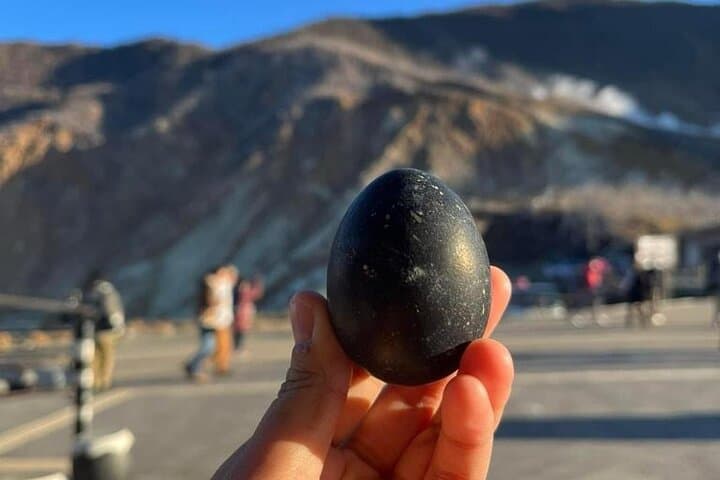
Timing matters here. Fuji’s visibility spikes in the morning, before islands of cloud gather. Owakudani’s sulfur fumes can make short walks feel otherworldly; the blackened “kuro-tamago” eggs sold there are a quirky local custom said to extend life. The Open-Air Museum requires admission (approx ¥2,000 for adults) and rewards slow wandering—plan at least 90–120 minutes. Expect driving between highlights—Tokyo to Hakone is roughly 90–120 km and 90–120 minutes depending on traffic—so the private-car format maximizes what you can see in a day.
Practical edge: layer for rapid elevation change (sea-level Lake Ashi to Owakudani at ~1,040 m), bring a camera with a broad-angle lens for Fuji and the torii, and plan early departures for clearer mountain views. The operator offers pickup and drop-off from Tokyo hotels, wheelchair-accessible vehicles on request, and weather-aware cancellation up to 24 hours prior. For a single day, the tour compresses the best of Hakone into a manageable, chauffeured rhythm—nature that nudges you forward and art that asks you to slow down.
easy.
8–10 hours.
Minimal fitness required—mostly short walks and standing; suitable for travelers comfortable with brief strolls and stairs.
The private tour runs about 8–10 hours (480–600 minutes) including driving and stops—exact length depends on your chosen itinerary and traffic.
Yes—pickup and drop-off from Tokyo hotels are included; you can specify a pickup address when booking.
Yes—the route and stops are customizable within the 8–10 hour window; discuss priorities with the operator before departure.
Wheelchair-accessible vehicles are available on request, but some sites (short uneven paths at Owakudani and steps at certain shrine areas) may limit access—notify the supplier of mobility needs in advance.
Hakone Open-Air Museum admission is not included in the base tour price (museum admission approx ¥2,000 for adults); confirm other entry fees with the operator when booking.
Clearer views are most common in the morning, before daytime cloud builds—aim to visit Togendai and Lake Ashi early in the day.
Hakone sat on the Tokaido route connecting Edo (Tokyo) and Kyoto; shrines and post towns developed to shelter travelers and trade.
Hakone balances heavy tourism with protected natural areas—stick to marked paths in volcanic and forest zones, and dispose of waste in town; many attractions participate in local conservation and recycling programs.
Sato operates guided outdoor trips and adventures with an emphasis on safety, stewardship, and memorable experiences.
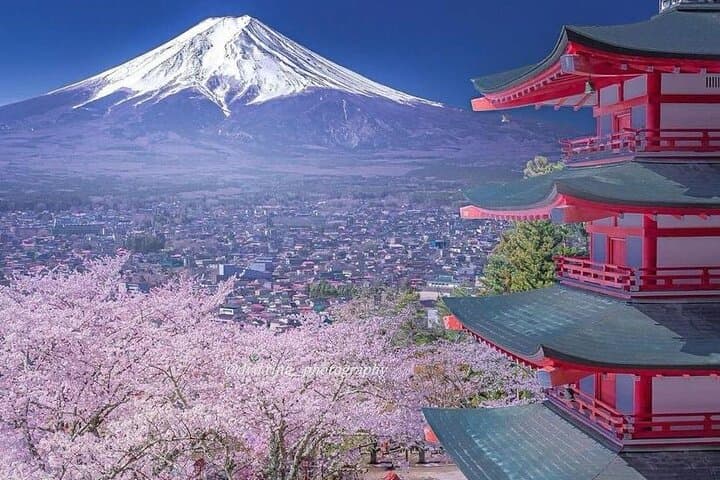
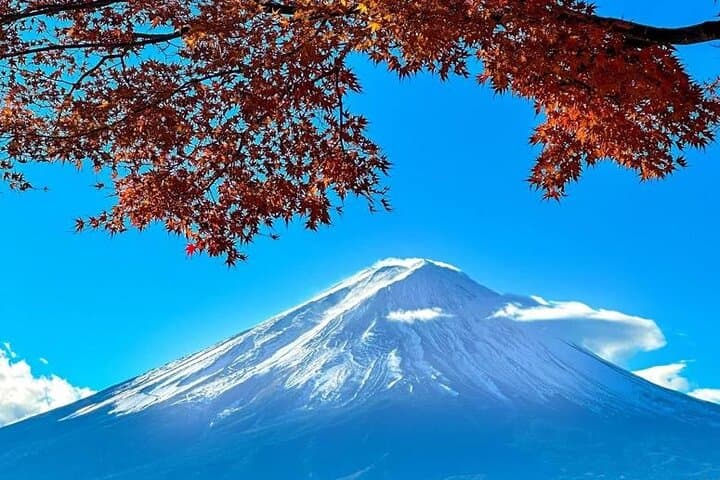
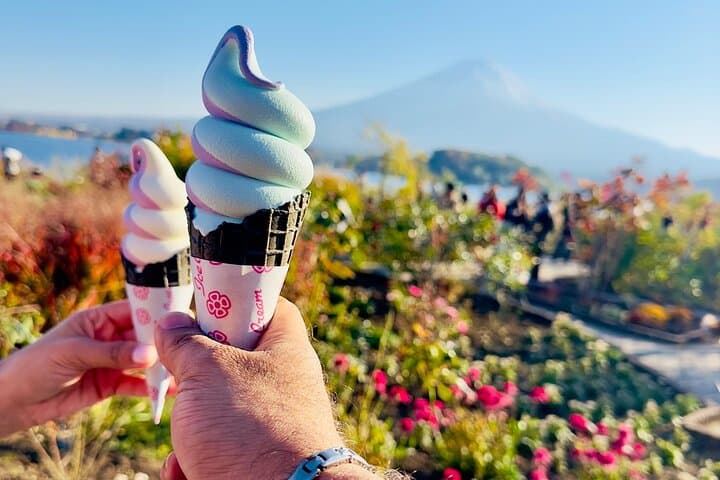
The morning fog lifts off Tokyo as your chauffeur slides the vehicle onto the expressway and the city’s edge gives way to low ridges. By the time the silhouette of Mount Fuji appears on the horizon—cap sharp against a blue sky—you’re already in the arms of Hakone: steaming vents, dark volcanic lakes and a road that feels designed to slow you down.
The morning fog lifts off Tokyo as your chauffeur slides the vehicle onto the expressway and the city’s edge gives way to low ridges. By the time the silhouette of Mount Fuji appears on the horizon—cap sharp against a blue sky—you’re already in the arms of Hakone: steaming vents, dark volcanic lakes and a road that feels designed to slow you down.
This private, 8–10 hour Hakone itinerary stitches together the region’s high points: a boat glide across Lake Ashi where the water dares you to look away from Fuji; the sulfur-scented moonscape of Owakudani; the red torii of Moto Hakone Shrine rising from the shallows; expansive sculpture lawns at the Hakone Open-Air Museum; and a late-afternoon stop at Gotemba Premium Outlets for practical indulgence.
Geologically, Hakone is a caldera landscape—Mount Hakone’s last major eruption roughly 3,000 years ago left Lake Ashi as a crater lake and left fumaroles at Owakudani that still exhale sulfur. Culturally the area has long been a waypoint for travelers on the old Tokaido route; Moto Hakone Shrine has watched boats and pilgrims for centuries, and its torii is a simple marker of that continuity. The Hakone Open-Air Museum is a modern counterpoint, where large-scale sculptures and a glass tower are placed with an almost deliberate impatience within the mountains.
Timing matters here. Fuji’s visibility spikes in the morning, before islands of cloud gather. Owakudani’s sulfur fumes can make short walks feel otherworldly; the blackened “kuro-tamago” eggs sold there are a quirky local custom said to extend life. The Open-Air Museum requires admission (approx ¥2,000 for adults) and rewards slow wandering—plan at least 90–120 minutes. Expect driving between highlights—Tokyo to Hakone is roughly 90–120 km and 90–120 minutes depending on traffic—so the private-car format maximizes what you can see in a day.
Practical edge: layer for rapid elevation change (sea-level Lake Ashi to Owakudani at ~1,040 m), bring a camera with a broad-angle lens for Fuji and the torii, and plan early departures for clearer mountain views. The operator offers pickup and drop-off from Tokyo hotels, wheelchair-accessible vehicles on request, and weather-aware cancellation up to 24 hours prior. For a single day, the tour compresses the best of Hakone into a manageable, chauffeured rhythm—nature that nudges you forward and art that asks you to slow down.