THE ADVENTURE COLLECTIVE® · Independent discovery and booking for outdoor travel

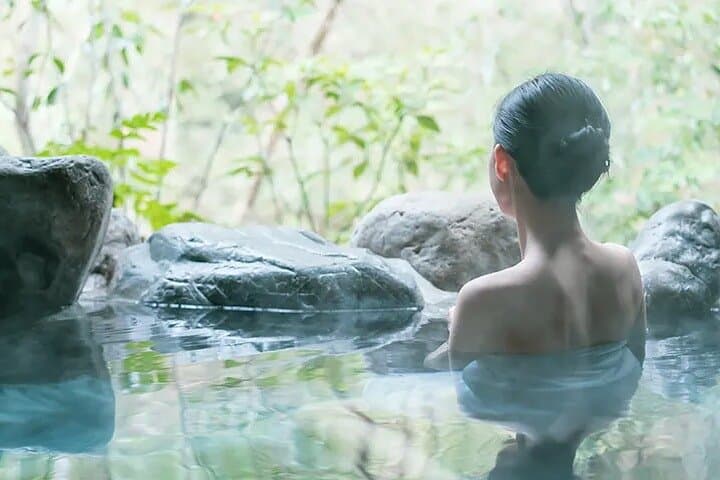
Spend a private day between steam and sea: soak in a Hakone onsen and wander the Enoura Observatory’s open-air installations. This full-day tour mixes geothermal calm, coastal observation, and a touch of feudal history at Odawara Castle.
Spend a private day between steam and sea: soak in a Hakone onsen and wander the Enoura Observatory’s open-air installations. This full-day tour mixes geothermal calm, coastal observation, and a touch of feudal history at Odawara Castle.
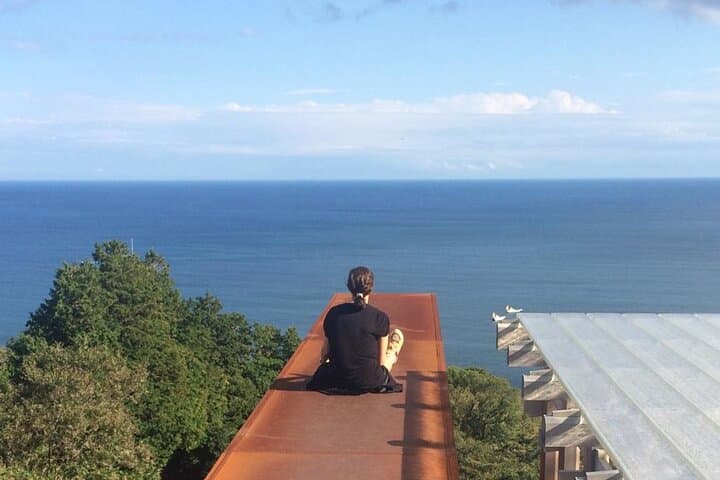
You step out of the car to steam and salt-scented air: Hakone’s hot springs breathe around you while Sagami Bay sits low and flat in the distance, daring your eyes to drift to a pale Mt. Fuji shoulder if clouds allow.
Verified experiences and guided adventures in the surrounding area.
Operated by アウテック · Hakone, Kanagawa
You step out of the car to steam and salt-scented air: Hakone’s hot springs breathe around you while Sagami Bay sits low and flat in the distance, daring your eyes to drift to a pale Mt. Fuji shoulder if clouds allow.
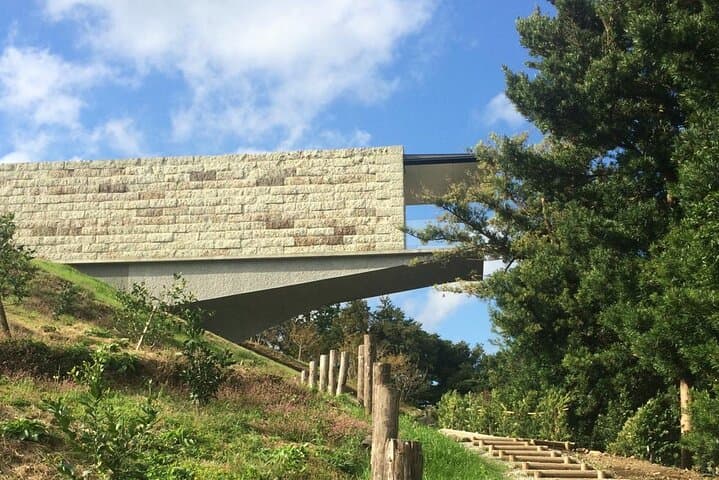
This private day tour pairs two different kinds of calm—Hakone’s centuries-old onsen culture and Hiroshi Sugimoto’s Enoura Observatory, an open-air architectural museum that frames the sea with concrete and light. Hakone’s geothermal geology—hot water pushed up along the volcanic arcs of the Fuji-Hakone-Izu region—made it one of Japan’s most visited bathing destinations since the Edo period. Odawara Castle, touched on this route, anchors local history: a 15th-century stronghold that shaped coastal trade and defense.
The Enoura site, opened in 2017, intentionally blends art, sea breeze, and the horizon; sculptures and pools encourage slow looking. Culture here feels deliberate and quiet: etiquette matters in onsen bathing, and Enoura asks visitors to observe viewing protocols.
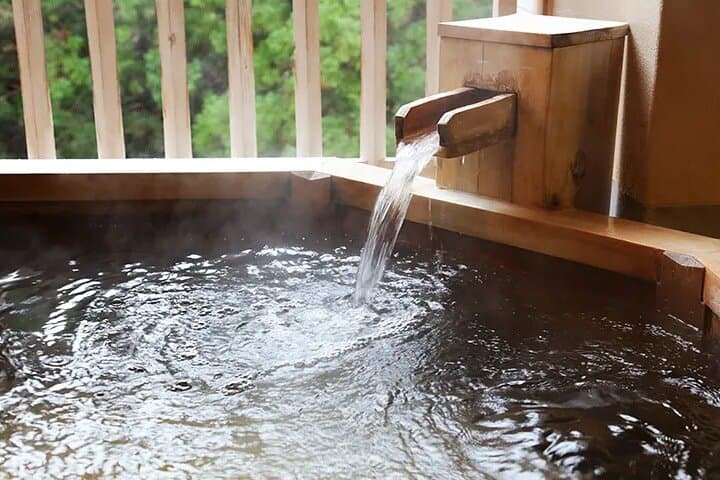
Practical guidance: plan for an 8–10 hour outing from Tokyo with roughly two hours each way by road. Bring swimwear, towel, and a change of clothes; confirm tattoo policy with your host. Weather changes quickly near the coast—pack a lightweight rain layer and good shoes for short coastal walks. Admission to the private onsen is included; Enoura Observatory admission is usually paid on site and can be weather-dependent for optimal views of Mt. Fuji. Expect moderate walking, moments of intense stillness, and plenty of photographic framing—both natural and man-made.
easy.
8–10 hours.
Suitable for travelers in average physical condition; requires short walks and the ability to climb stairs at sites.
This private tour includes road transfer between Tokyo and Hakone; confirm your specific pickup point when booking.
Enoura Observatory admission is not included in the tour price; pay on site or confirm ticket booking with your operator.
Guests must be at least 12 years old to join this experience—check age policies when booking.
Mount Fuji views are weather-dependent; the itinerary offers coastal viewpoints but does not guarantee clear Fuji visibility.
Hakone grew as a post-station and hot spring center along coastal and mountain routes; Odawara Castle dates to the mid-15th century and shaped regional power dynamics.
Onsen facilities manage water use and wastewater carefully; visitors are asked to follow onsen etiquette and pack out waste. Enoura emphasizes low-impact viewing—stay on paths and respect signage.
アウテック operates guided outdoor trips and adventures with an emphasis on safety, stewardship, and memorable experiences.
You step out of the car to steam and salt-scented air: Hakone’s hot springs breathe around you while Sagami Bay sits low and flat in the distance, daring your eyes to drift to a pale Mt. Fuji shoulder if clouds allow.
You step out of the car to steam and salt-scented air: Hakone’s hot springs breathe around you while Sagami Bay sits low and flat in the distance, daring your eyes to drift to a pale Mt. Fuji shoulder if clouds allow.
This private day tour pairs two different kinds of calm—Hakone’s centuries-old onsen culture and Hiroshi Sugimoto’s Enoura Observatory, an open-air architectural museum that frames the sea with concrete and light. Hakone’s geothermal geology—hot water pushed up along the volcanic arcs of the Fuji-Hakone-Izu region—made it one of Japan’s most visited bathing destinations since the Edo period. Odawara Castle, touched on this route, anchors local history: a 15th-century stronghold that shaped coastal trade and defense.
The Enoura site, opened in 2017, intentionally blends art, sea breeze, and the horizon; sculptures and pools encourage slow looking. Culture here feels deliberate and quiet: etiquette matters in onsen bathing, and Enoura asks visitors to observe viewing protocols.
Practical guidance: plan for an 8–10 hour outing from Tokyo with roughly two hours each way by road. Bring swimwear, towel, and a change of clothes; confirm tattoo policy with your host. Weather changes quickly near the coast—pack a lightweight rain layer and good shoes for short coastal walks. Admission to the private onsen is included; Enoura Observatory admission is usually paid on site and can be weather-dependent for optimal views of Mt. Fuji. Expect moderate walking, moments of intense stillness, and plenty of photographic framing—both natural and man-made.