THE ADVENTURE COLLECTIVE® · Independent discovery and booking for outdoor travel

Cover Hakone’s highlights in one efficient day: ropeway steam vents, a pirate-ship cruise on Lake Ashi, and the lakeside Torii of Hakone Shrine. This private tour strings together trains, cable cars and boats — ideal for first-time visitors who want a complete, single-day overview.
Cover Hakone’s highlights in one efficient day: ropeway steam vents, a pirate-ship cruise on Lake Ashi, and the lakeside Torii of Hakone Shrine. This private tour strings together trains, cable cars and boats — ideal for first-time visitors who want a complete, single-day overview.
You step out of Hakone-Yumoto's station into cool mountain air; trains hum behind you and the scent of cedar and hot springs rises from valley drains. The day unfolds on rails, ropeway gondolas and a pirate ship, each mode revealing a different face of Hakone — mirror-flat Lake Ashi, smoking vents at Owakudani, and a vermilion torii punctuating the lakeshore.
Verified experiences and guided adventures in the surrounding area.
Operated by OTOMO Travel Guide · Hakone, Kanagawa Prefecture
You step out of Hakone-Yumoto's station into cool mountain air; trains hum behind you and the scent of cedar and hot springs rises from valley drains. The day unfolds on rails, ropeway gondolas and a pirate ship, each mode revealing a different face of Hakone — mirror-flat Lake Ashi, smoking vents at Owakudani, and a vermilion torii punctuating the lakeshore.
This landscape is volcanic in heritage: Hakone Volcano reshaped the basin some 3,000 years ago and Owakudani still exhales sulfur steam that dares you to come closer. Hakone Shrine carries over a millennium of regional faith, while the Hakone Tozan Railway and cable car (214 m of elevation gain between Sounzan and Gora) tell an industrial story of early 20th-century mountain access. Local culture balances onsen rhythms, seasonal hydrangea displays and lakeside eateries serving charcoal-grilled fish and local vegetables.
Practical planning matters: the private tour strings together public transport and paid attractions — bring an IC card or cash for tickets and meals, and allow time for transfers during weekends when queues lengthen. Wear sturdy shoes for short walks and uneven paths; pack a light layer for higher altitudes (cu-mo observation sits near 757 m). Expect about 7–8 hours of sightseeing with multiple short stops; if volcanic alerts spike, Owakudani may close and the guide will substitute alternate views.
Timing your ropeway for clear weather improves chances of a Mt. Fuji sightline. Carry a small towel for footbaths, and keep noise low at shrines — the place rewards slow attention.
easy.
7–8 hours.
Suitable for most fitness levels; involves multiple short walks and standing during transfers
Meet at Hakone-Yumoto Station in front of the ticket gate at the scheduled start time; contact the guide via the provided WhatsApp number if you have trouble.
No — all transport fares, entrance fees, meals and personal expenses are paid by the customer during the tour.
The guide will modify the itinerary if a site is temporarily closed or if weather/volcanic activity prevents access, substituting comparable viewpoints when possible.
Yes, the tour notes stroller accessibility for infants and small children, but expect a lot of walking and some standing during transfers.
Hakone has long been a strategic Tōkaidō mountain pass and pilgrimage route; Hakone Shrine dates back over 1,200 years and marks the cultural axis of the lake.
Thermal zones like Owakudani are ecologically sensitive and sometimes closed for safety — follow signage, stay on designated paths and avoid disturbing fumaroles.
OTOMO Travel Guide operates guided outdoor trips and adventures with an emphasis on safety, stewardship, and memorable experiences.
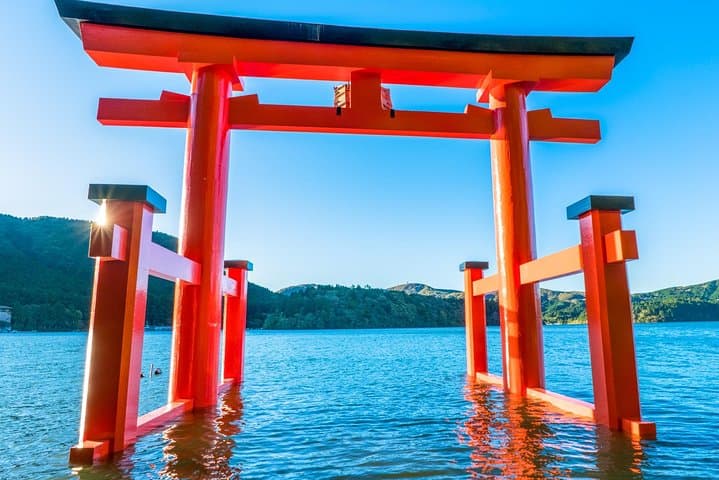
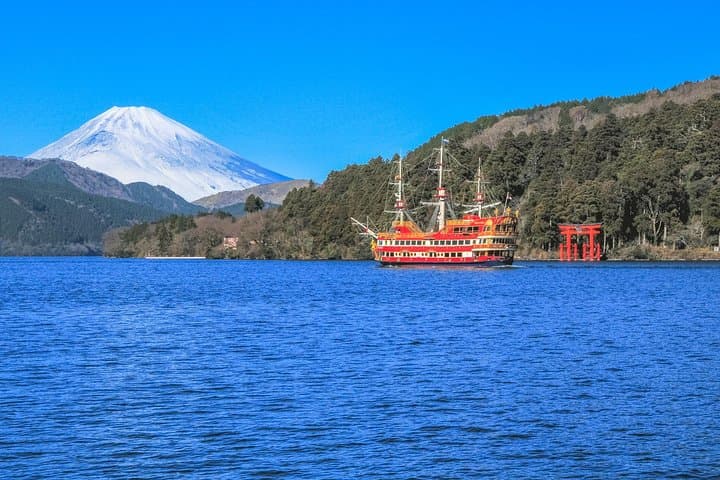
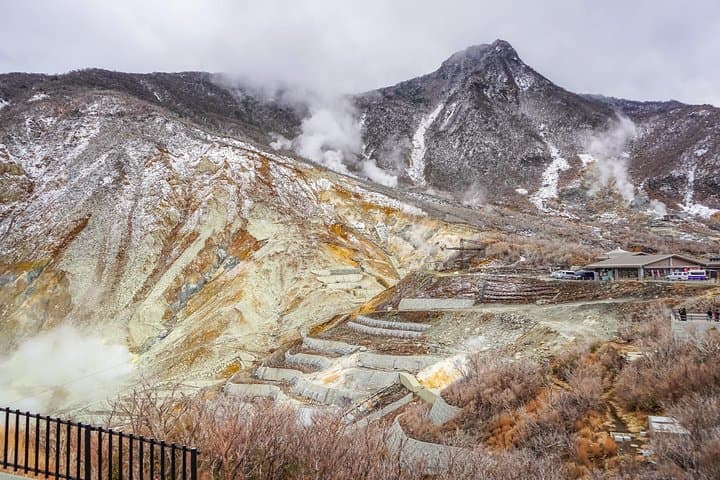
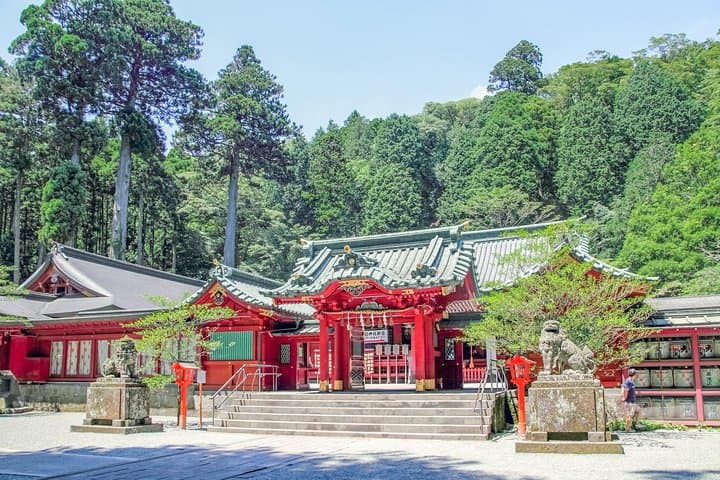
You step out of Hakone-Yumoto's station into cool mountain air; trains hum behind you and the scent of cedar and hot springs rises from valley drains. The day unfolds on rails, ropeway gondolas and a pirate ship, each mode revealing a different face of Hakone — mirror-flat Lake Ashi, smoking vents at Owakudani, and a vermilion torii punctuating the lakeshore.
You step out of Hakone-Yumoto's station into cool mountain air; trains hum behind you and the scent of cedar and hot springs rises from valley drains. The day unfolds on rails, ropeway gondolas and a pirate ship, each mode revealing a different face of Hakone — mirror-flat Lake Ashi, smoking vents at Owakudani, and a vermilion torii punctuating the lakeshore.
This landscape is volcanic in heritage: Hakone Volcano reshaped the basin some 3,000 years ago and Owakudani still exhales sulfur steam that dares you to come closer. Hakone Shrine carries over a millennium of regional faith, while the Hakone Tozan Railway and cable car (214 m of elevation gain between Sounzan and Gora) tell an industrial story of early 20th-century mountain access. Local culture balances onsen rhythms, seasonal hydrangea displays and lakeside eateries serving charcoal-grilled fish and local vegetables.
Practical planning matters: the private tour strings together public transport and paid attractions — bring an IC card or cash for tickets and meals, and allow time for transfers during weekends when queues lengthen. Wear sturdy shoes for short walks and uneven paths; pack a light layer for higher altitudes (cu-mo observation sits near 757 m). Expect about 7–8 hours of sightseeing with multiple short stops; if volcanic alerts spike, Owakudani may close and the guide will substitute alternate views.
Timing your ropeway for clear weather improves chances of a Mt. Fuji sightline. Carry a small towel for footbaths, and keep noise low at shrines — the place rewards slow attention.