THE ADVENTURE COLLECTIVE® · Independent discovery and booking for outdoor travel

Escape Tokyo for a customizable private day around Hakone and Mt. Fuji: ropeway panoramas, Lake Ashi boat rides, volcanic vents and a restorative onsen. This guide covers what to expect, timing, and practical tips to make the most of a full-day excursion.
Escape Tokyo for a customizable private day around Hakone and Mt. Fuji: ropeway panoramas, Lake Ashi boat rides, volcanic vents and a restorative onsen. This guide covers what to expect, timing, and practical tips to make the most of a full-day excursion.
The day opens with Tokyo receding in the rearview and the road tightening into forested passes, steam from volcanic vents daring you to look closer. By mid-morning the air cools; the ropeway lifts visitors above sulfur-pungent Owakudani and the landscape spreads—Lake Ashi cutting a flat, glassy line through pines and volcanic ridges, Mount Fuji’s cone looming on clear days.
Verified experiences and guided adventures in the surrounding area.
Operated by DreamsEscape · Hakone, Kanagawa
The day opens with Tokyo receding in the rearview and the road tightening into forested passes, steam from volcanic vents daring you to look closer. By mid-morning the air cools; the ropeway lifts visitors above sulfur-pungent Owakudani and the landscape spreads—Lake Ashi cutting a flat, glassy line through pines and volcanic ridges, Mount Fuji’s cone looming on clear days.
Hakone’s story is both volcanic and human: formed by eruptions in the caldera that created Hakone’s lakes and hot springs, the region became a post town on the old Tokaido road and later a modern onsen destination. Granite and andesite cliffs give way to cedar forests; shrines built on lake edges mark a long cultural relationship with water and mountain reverence.
A private day trip typically stitches together Odawara Castle, the Hakone Open-Air Museum, Owakudani’s vents and ropeway, a Lake Ashi boat ride, Hakone Shrine views and an optional onsen soak. Expect a 10-hour itinerary with short walks (many sites have stairs); Owakudani sits around 1,040 m elevation while Lake Ashi surfaces near 720–730 m. Cash is handy for small admissions and the pirate-ship ferry (~¥1,200 adults) or museum (¥1,800).
Practical tips: bring layered clothing for temperature shifts between lake and ridge, sturdy shoes for uneven paths, and a windproof jacket for ropeway exposure. Start early for the best Fuji visibility and quiet photo windows. A private English-speaking driver removes logistics friction—letting the day feel like a carefully paced exploration rather than a rush of photo stops.
moderate.
10 hours.
Suitable for most fitness levels; long day with short, easy hikes and stairs—basic endurance recommended
Yes—private pickup from Tokyo (excluding airports and cruise terminals) is usually included; confirm exact pickup point when booking.
Many transport and some sites are wheelchair-friendly, but ropeway and some shrine areas have stairs; notify the operator for tailored accessibility plans.
You can often see Mount Fuji from multiple viewpoints, especially on clear mornings; visibility depends on weather and seasonal haze.
Some stops offer included admissions; optional activities like the Hakone Open-Air Museum, ropeway sections, pirate-ship ferry and onsen may have separate fees—check the itinerary and budget extra yen for them.
Hakone was a strategic post along the Tokaido road and later developed as a hot-spring destination; its volcanic past shaped the caldera lakes and hot springs that define the area today.
Visitors should stick to marked trails and avoid feeding wildlife; many sites encourage minimizing single-use plastics and respect for onsen etiquette to reduce local impacts.
DreamsEscape operates guided outdoor trips and adventures with an emphasis on safety, stewardship, and memorable experiences.
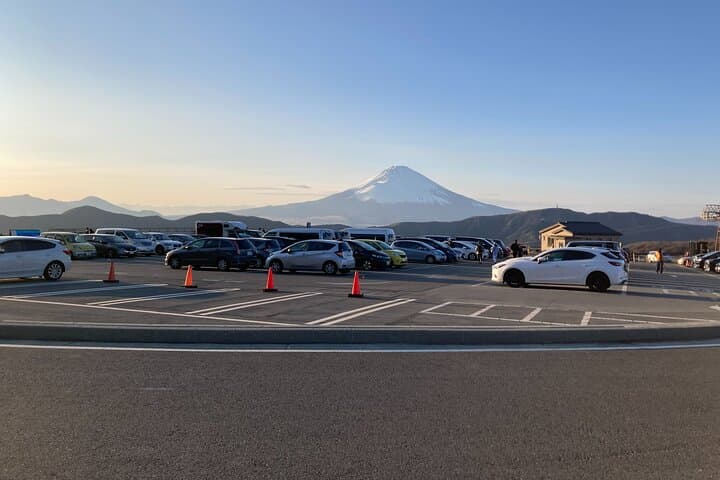
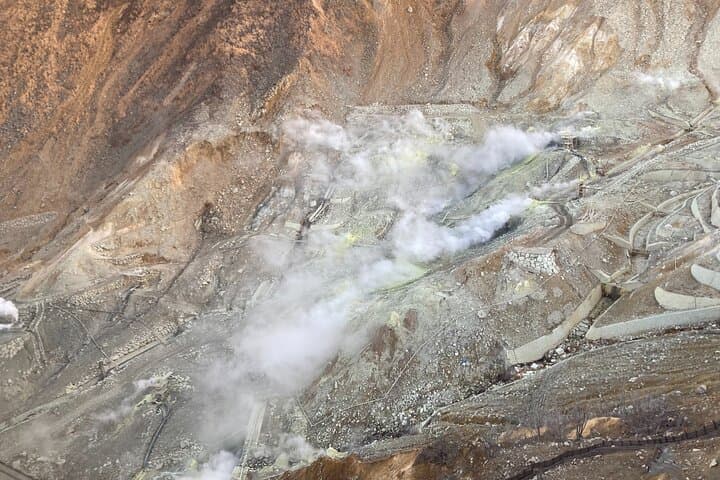
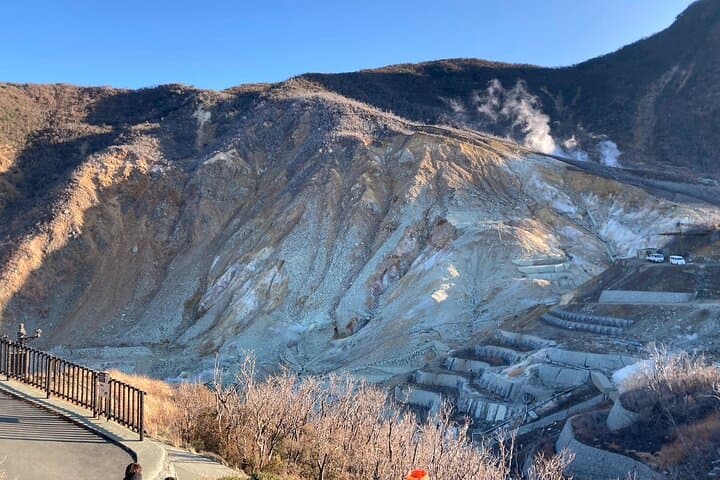
The day opens with Tokyo receding in the rearview and the road tightening into forested passes, steam from volcanic vents daring you to look closer. By mid-morning the air cools; the ropeway lifts visitors above sulfur-pungent Owakudani and the landscape spreads—Lake Ashi cutting a flat, glassy line through pines and volcanic ridges, Mount Fuji’s cone looming on clear days.
The day opens with Tokyo receding in the rearview and the road tightening into forested passes, steam from volcanic vents daring you to look closer. By mid-morning the air cools; the ropeway lifts visitors above sulfur-pungent Owakudani and the landscape spreads—Lake Ashi cutting a flat, glassy line through pines and volcanic ridges, Mount Fuji’s cone looming on clear days.
Hakone’s story is both volcanic and human: formed by eruptions in the caldera that created Hakone’s lakes and hot springs, the region became a post town on the old Tokaido road and later a modern onsen destination. Granite and andesite cliffs give way to cedar forests; shrines built on lake edges mark a long cultural relationship with water and mountain reverence.
A private day trip typically stitches together Odawara Castle, the Hakone Open-Air Museum, Owakudani’s vents and ropeway, a Lake Ashi boat ride, Hakone Shrine views and an optional onsen soak. Expect a 10-hour itinerary with short walks (many sites have stairs); Owakudani sits around 1,040 m elevation while Lake Ashi surfaces near 720–730 m. Cash is handy for small admissions and the pirate-ship ferry (~¥1,200 adults) or museum (¥1,800).
Practical tips: bring layered clothing for temperature shifts between lake and ridge, sturdy shoes for uneven paths, and a windproof jacket for ropeway exposure. Start early for the best Fuji visibility and quiet photo windows. A private English-speaking driver removes logistics friction—letting the day feel like a carefully paced exploration rather than a rush of photo stops.