THE ADVENTURE COLLECTIVE® · Independent discovery and booking for outdoor travel

From Shimizu Port to Hakone’s steaming volcanic valleys and mirror-flat Lake Ashi — this private, customizable day trip stitches together aerial ropeway views, a pirate-ship cruise, cultural shrines, and open-air art. Perfect for travelers who want a concentrated taste of Hakone with the logistics handled.
From Shimizu Port to Hakone’s steaming volcanic valleys and mirror-flat Lake Ashi — this private, customizable day trip stitches together aerial ropeway views, a pirate-ship cruise, cultural shrines, and open-air art. Perfect for travelers who want a concentrated taste of Hakone with the logistics handled.
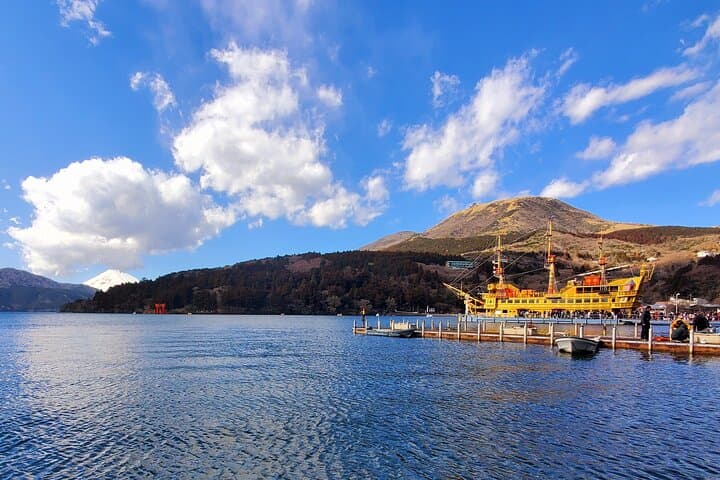
The day begins before most tourists have coffee: you step off the gangway at Shimizu Port into a cool coastal air, and your private driver greets you with a calm efficiency. The highway peels away, and within an hour the lowlands give way to thick cedar stands and road cuttings that open to a lake framed by forested slopes. Lake Ashi arrives quietly — a broad mirror pushing reflections of sky and, on a clear day, Mount Fuji.
Verified experiences and guided adventures in the surrounding area.
Operated by Xplor Japan · Hakone, Kanagawa
The day begins before most tourists have coffee: you step off the gangway at Shimizu Port into a cool coastal air, and your private driver greets you with a calm efficiency. The highway peels away, and within an hour the lowlands give way to thick cedar stands and road cuttings that open to a lake framed by forested slopes. Lake Ashi arrives quietly — a broad mirror pushing reflections of sky and, on a clear day, Mount Fuji.
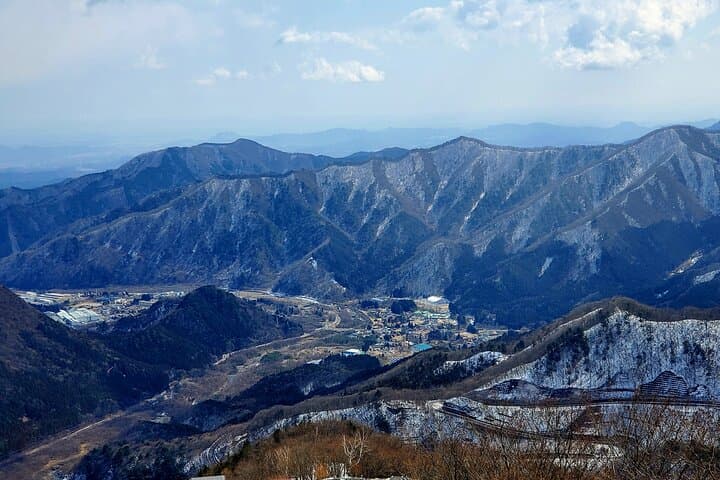
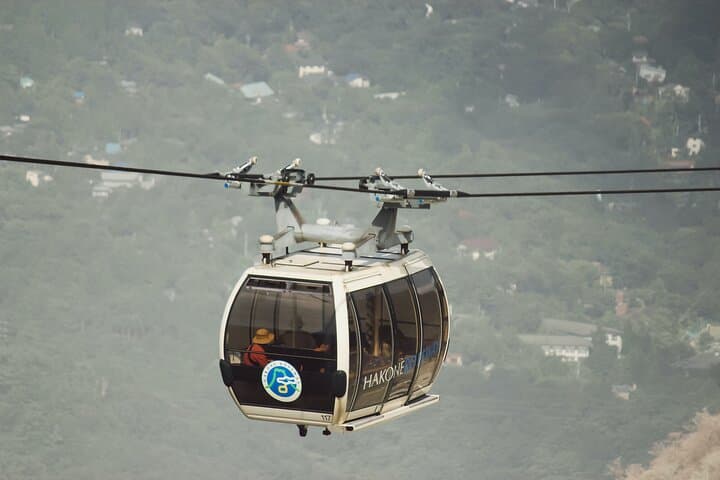
This private, customizable tour is a crash course in Hakone’s natural and cultural highlights. The lake itself sits in a caldera formed by eruptions thousands of years ago; its placid surface conceals a violent volcanic past that surfaces again at Owakudani, where sulfur vents wage a slow, aromatic war against the air. The ropeway climbs these raw, steaming ridgelines, swapping the intimacy of the forest for aerial panoramas and, if conditions allow, that cinematic view of Fuji rising above a patchwork of valleys.
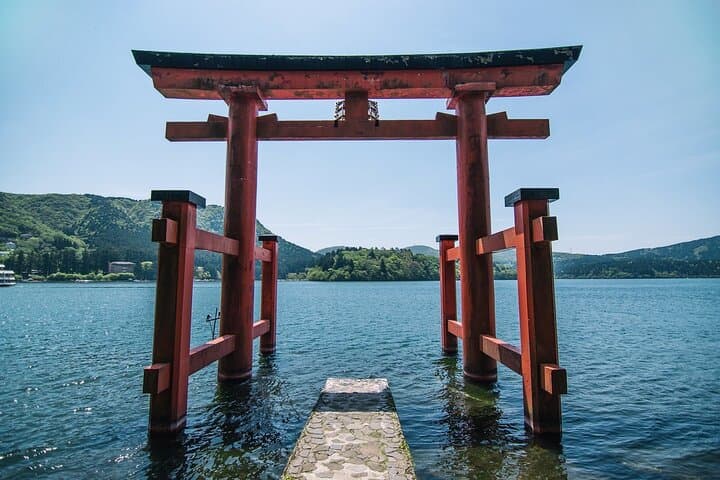
Culture in Hakone is compact and tactile — a red torii gate standing in the shallows of Lake Ashi, the carved guardian statues and mossy paths that lead into Hakone Shrine, and the Open-Air Museum where modern sculpture is set out like deliberate surprises against mountain backdrops. Gotemba’s outlet mall, meanwhile, trades scenery for shopping with a side of Fuji looming on the horizon.
Practical navigation of the day matters. Expect roughly 10 hours total including pick-up and drop-off; the tour moves by temperature-controlled vehicle with short walks at each stop — boardwalks, steps, and paved paths more than wilderness trails. Owakudani sits at higher elevation (around 900–1,000 m) and is windy and cooler than the lakeshore. Carry layers, and plan for sulfur fumes at the volcanic sites (some visitors find the smell strong).
Timing is everything: morning typically offers clearer air for Fuji views from Lake Ashi and the ropeway; afternoons can bring haze. The Hakone Pirate Ship cruise is thirty minutes; ropeway segments are short but spectacular. Admissions to museums and certain ropeway cabins may be separate, so budget time and cash where needed.
On a private tour the itinerary is yours — trade the museum for more time at Owakudani, linger at the torii for photos, or stop at Gotemba for outlet shopping. The guide streamlines logistics, but pay attention to road conditions: mountain roads can slow the clock. For photographers and slow walkers alike, this is a day that balances quiet nature, geothermal power, and curated culture — all within a compact slice of Japan’s volcanic spine.
moderate.
Up to 10 hours.
Moderate — comfortable with multiple short walks, some steps and standing during viewpoints
Private transportation, an English-speaking guide, and driver services are included; admissions to museums, ropeway tickets, pirate ship fares, and meals are typically extra unless specified.
Yes—this private tour is designed to be flexible, but changes may be limited by road conditions, park hours, and ropeway or volcanic-site closures.
No—Owakudani and the Hakone Ropeway can close due to volcanic activity or high winds; if closed, guides will offer alternative viewpoints or extra time at other stops.
Most sights have paved paths but significant steps at shrines and uneven ground at some viewpoints; contact the operator in advance to discuss wheelchair access or mobility needs.
Morning, especially before 10:00, typically offers the clearest Fuji views; winter mornings are crispest but colder.
Pickups are primarily from Shimizu Port; alternate pickup or drop-off points may be possible but can incur extra fees—confirm at booking.
Hakone’s significance dates to the Edo era when it was a strategic post on the Tokaido route; the lake and shrine have served pilgrims and travelers for centuries.
Hakone’s popular sites suffer from seasonal crowding and erosion; stick to marked paths, avoid stepping on vegetation, and carry out trash to help preserve trails and cultural sites.
Xplor Japan operates guided outdoor trips and adventures with an emphasis on safety, stewardship, and memorable experiences.
The day begins before most tourists have coffee: you step off the gangway at Shimizu Port into a cool coastal air, and your private driver greets you with a calm efficiency. The highway peels away, and within an hour the lowlands give way to thick cedar stands and road cuttings that open to a lake framed by forested slopes. Lake Ashi arrives quietly — a broad mirror pushing reflections of sky and, on a clear day, Mount Fuji.
The day begins before most tourists have coffee: you step off the gangway at Shimizu Port into a cool coastal air, and your private driver greets you with a calm efficiency. The highway peels away, and within an hour the lowlands give way to thick cedar stands and road cuttings that open to a lake framed by forested slopes. Lake Ashi arrives quietly — a broad mirror pushing reflections of sky and, on a clear day, Mount Fuji.
This private, customizable tour is a crash course in Hakone’s natural and cultural highlights. The lake itself sits in a caldera formed by eruptions thousands of years ago; its placid surface conceals a violent volcanic past that surfaces again at Owakudani, where sulfur vents wage a slow, aromatic war against the air. The ropeway climbs these raw, steaming ridgelines, swapping the intimacy of the forest for aerial panoramas and, if conditions allow, that cinematic view of Fuji rising above a patchwork of valleys.
Culture in Hakone is compact and tactile — a red torii gate standing in the shallows of Lake Ashi, the carved guardian statues and mossy paths that lead into Hakone Shrine, and the Open-Air Museum where modern sculpture is set out like deliberate surprises against mountain backdrops. Gotemba’s outlet mall, meanwhile, trades scenery for shopping with a side of Fuji looming on the horizon.
Practical navigation of the day matters. Expect roughly 10 hours total including pick-up and drop-off; the tour moves by temperature-controlled vehicle with short walks at each stop — boardwalks, steps, and paved paths more than wilderness trails. Owakudani sits at higher elevation (around 900–1,000 m) and is windy and cooler than the lakeshore. Carry layers, and plan for sulfur fumes at the volcanic sites (some visitors find the smell strong).
Timing is everything: morning typically offers clearer air for Fuji views from Lake Ashi and the ropeway; afternoons can bring haze. The Hakone Pirate Ship cruise is thirty minutes; ropeway segments are short but spectacular. Admissions to museums and certain ropeway cabins may be separate, so budget time and cash where needed.
On a private tour the itinerary is yours — trade the museum for more time at Owakudani, linger at the torii for photos, or stop at Gotemba for outlet shopping. The guide streamlines logistics, but pay attention to road conditions: mountain roads can slow the clock. For photographers and slow walkers alike, this is a day that balances quiet nature, geothermal power, and curated culture — all within a compact slice of Japan’s volcanic spine.