THE ADVENTURE COLLECTIVE® · Independent discovery and booking for outdoor travel

Escape Tokyo for a full-day loop through Hakone: forested shrine approaches, the iconic torii in Lake Ashi, a museum garden, and a restorative onsen. This private, hotel‑pickup tour compresses geology, culture, and relaxation into a single, practical day trip.
Escape Tokyo for a full-day loop through Hakone: forested shrine approaches, the iconic torii in Lake Ashi, a museum garden, and a restorative onsen. This private, hotel‑pickup tour compresses geology, culture, and relaxation into a single, practical day trip.
A mist-slick morning on the highway gives way to cedar-shaded lanes as the vehicle climbs toward Hakone; steam from a distant onsen seems to pull the air forward. Arriving at Lake Ashi, the torii gate stands half in the water, a quiet challenge to the wind that wants to push ripples across the surface. The drive from Tokyo takes roughly two hours each way, making this a long day built around concentrated stretches of nature, culture, and relaxation.
Verified experiences and guided adventures in the surrounding area.
Operated by Elias · Hakone, Kanagawa
A mist-slick morning on the highway gives way to cedar-shaded lanes as the vehicle climbs toward Hakone; steam from a distant onsen seems to pull the air forward. Arriving at Lake Ashi, the torii gate stands half in the water, a quiet challenge to the wind that wants to push ripples across the surface. The drive from Tokyo takes roughly two hours each way, making this a long day built around concentrated stretches of nature, culture, and relaxation.
Hakone sits inside a volcanic caldera formed by repeated eruptions of Mount Hakone over tens of thousands of years. The lake is a remnant of that geologic restlessness, and the shrine sites—like Hakone Jinja—have been focal points for mountain worship and pilgrimage since the Heian period. The Hakone Museum of Art reflects postwar cultural interest in preserving local crafts and seasonal gardens, while modern onsen facilities adapt classical bathing rituals for today’s travelers.
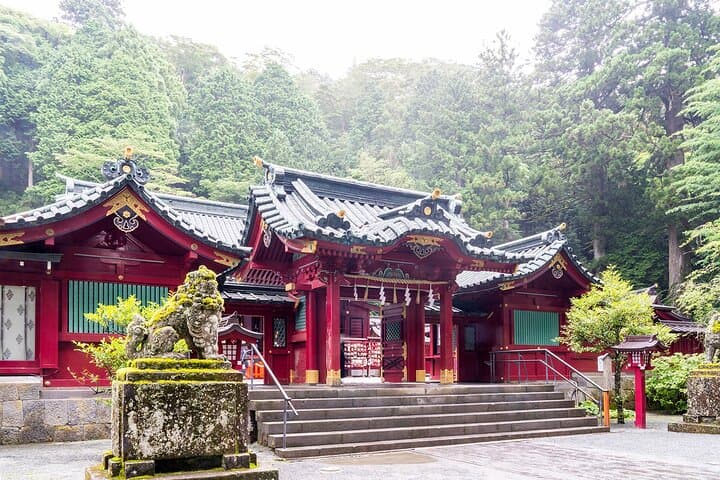
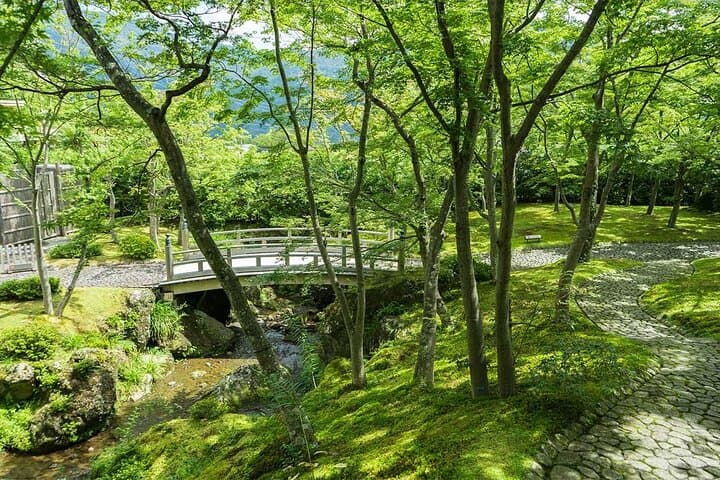
Expect forested approaches, lakeshore promenades, and maintained paths rather than backcountry trails. Culture arrives in the form of torii gates, lacquered shrine halls, and the etiquette of the onsen: quiet, respectful, and clean. Practicalities govern the day—private air-conditioned transport, hotel pickup and drop-off, and timed visits—so plan around the busiest photo spots and leave room for an unhurried soak.
Bring a light jacket for lakeside breeze, allow extra time for Fuji views between cloud windows, and budget for museum admission and onsen fees. For many, the reward at day’s end is simple: muscles loosened, senses reset, and a clear sense of why the mountains outside Tokyo still pull city people into the hills.
moderate.
7–10 hours.
Suitable for average fitness levels; requires several short walks and standing for sights and transfers.
Expect about two hours each way by private vehicle from central Tokyo, depending on traffic; allow extra travel time during peak holiday periods.
Many traditional onsen restrict visible tattoos; Hakone Yuryo and some facilities offer private or tattoo-friendly options—ask the operator in advance.
Yes—infant seats and stroller access are available for transport, but check onsen policies for child bathing and safety before booking.
Some museums and popular onsen can reach capacity on busy days; booking ahead is recommended if the itinerary specifies admissions.
Hakone’s shrines grew from mountain worship and served as waymarkers and protective sites for travelers on the old Tokaido route; the area later developed as a resort in the Meiji and Taisho eras.
Hakone balances tourism with forest and watershed protection—stick to trails, avoid single‑use plastics, and follow local rules at natural and cultural sites.
Elias operates guided outdoor trips and adventures with an emphasis on safety, stewardship, and memorable experiences.
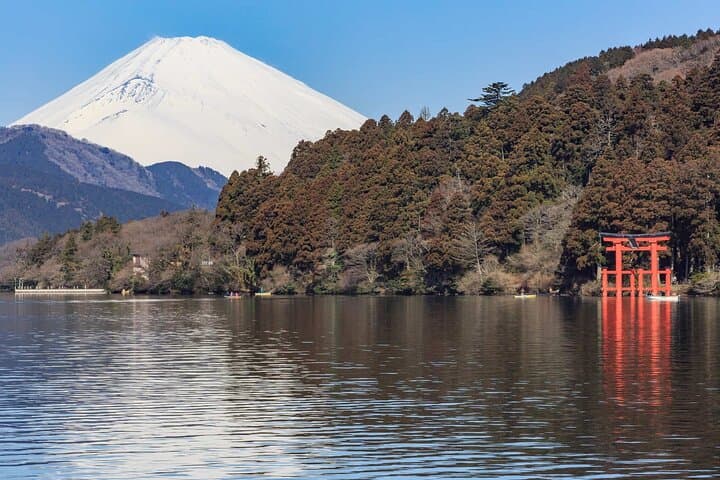
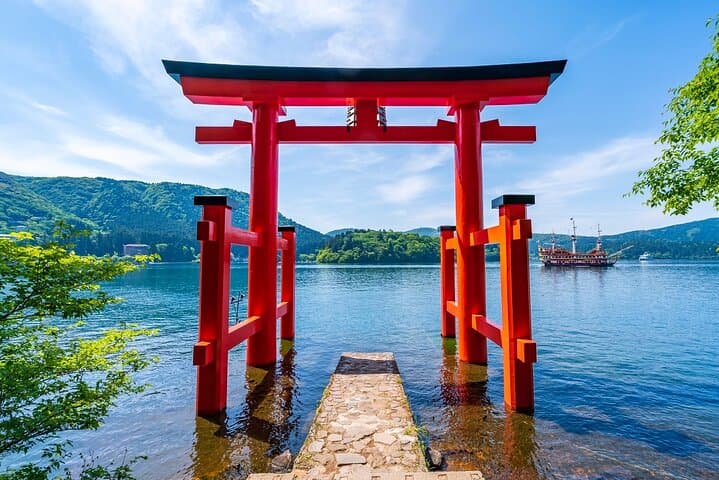
A mist-slick morning on the highway gives way to cedar-shaded lanes as the vehicle climbs toward Hakone; steam from a distant onsen seems to pull the air forward. Arriving at Lake Ashi, the torii gate stands half in the water, a quiet challenge to the wind that wants to push ripples across the surface. The drive from Tokyo takes roughly two hours each way, making this a long day built around concentrated stretches of nature, culture, and relaxation.
A mist-slick morning on the highway gives way to cedar-shaded lanes as the vehicle climbs toward Hakone; steam from a distant onsen seems to pull the air forward. Arriving at Lake Ashi, the torii gate stands half in the water, a quiet challenge to the wind that wants to push ripples across the surface. The drive from Tokyo takes roughly two hours each way, making this a long day built around concentrated stretches of nature, culture, and relaxation.
Hakone sits inside a volcanic caldera formed by repeated eruptions of Mount Hakone over tens of thousands of years. The lake is a remnant of that geologic restlessness, and the shrine sites—like Hakone Jinja—have been focal points for mountain worship and pilgrimage since the Heian period. The Hakone Museum of Art reflects postwar cultural interest in preserving local crafts and seasonal gardens, while modern onsen facilities adapt classical bathing rituals for today’s travelers.
Expect forested approaches, lakeshore promenades, and maintained paths rather than backcountry trails. Culture arrives in the form of torii gates, lacquered shrine halls, and the etiquette of the onsen: quiet, respectful, and clean. Practicalities govern the day—private air-conditioned transport, hotel pickup and drop-off, and timed visits—so plan around the busiest photo spots and leave room for an unhurried soak.
Bring a light jacket for lakeside breeze, allow extra time for Fuji views between cloud windows, and budget for museum admission and onsen fees. For many, the reward at day’s end is simple: muscles loosened, senses reset, and a clear sense of why the mountains outside Tokyo still pull city people into the hills.