THE ADVENTURE COLLECTIVE® · Independent discovery and booking for outdoor travel

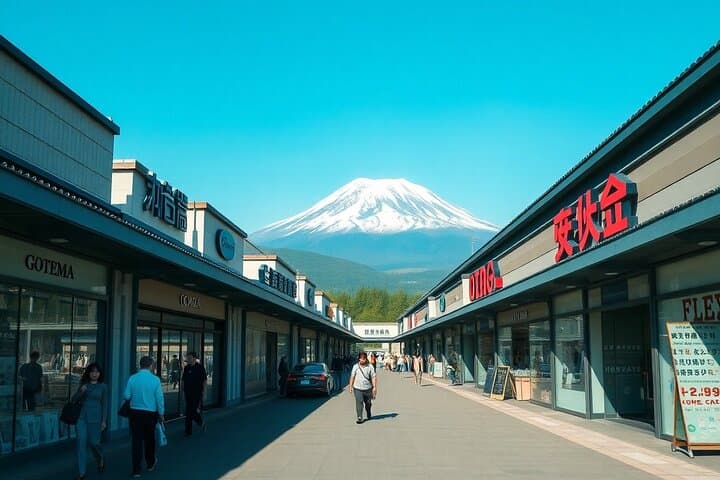
Take a single-day escape from Tokyo to Hakone and experience a pirate-ship cruise on Lake Ashi, an aerial ropeway over Owakudani’s steaming vents, and choices between outlet shopping or a calming onsen. This practical guide explains what to expect and how to prepare.
Take a single-day escape from Tokyo to Hakone and experience a pirate-ship cruise on Lake Ashi, an aerial ropeway over Owakudani’s steaming vents, and choices between outlet shopping or a calming onsen. This practical guide explains what to expect and how to prepare.
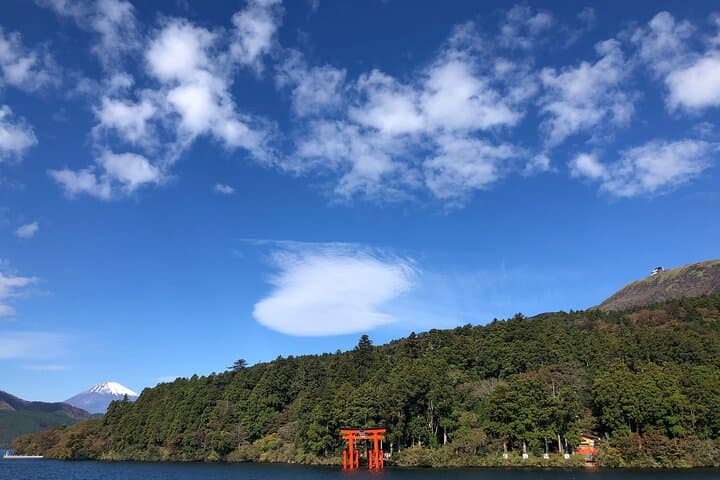
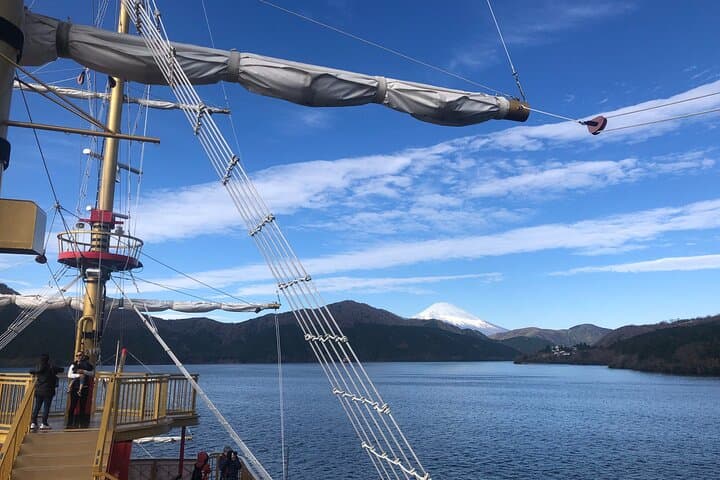
Morning fog lifts from Lake Ashi and the pirate ship’s timbers creak as it pushes into a silent bowl of water—Mount Fuji a distant crown when skies are clear. This full-day loop from Tokyo stitches together Hakone’s volcanic heart, an aerial ropeway over steaming vents, a tranquil crater lake cruise, and an afternoon split between outlet shopping and a restorative onsen.
Verified experiences and guided adventures in the surrounding area.
Operated by Trevopedia Wonders · Hakone, Kanagawa
Morning fog lifts from Lake Ashi and the pirate ship’s timbers creak as it pushes into a silent bowl of water—Mount Fuji a distant crown when skies are clear. This full-day loop from Tokyo stitches together Hakone’s volcanic heart, an aerial ropeway over steaming vents, a tranquil crater lake cruise, and an afternoon split between outlet shopping and a restorative onsen.
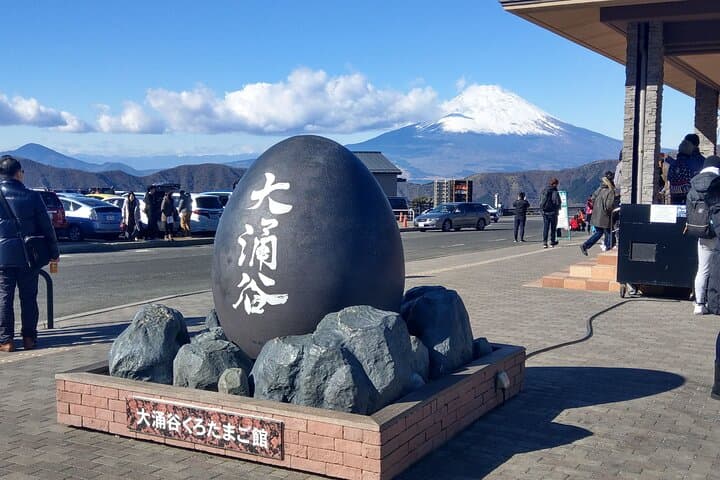
Hakone’s landscape was forged by major eruptions roughly 3,000 years ago; Owakudani remains a live reminder with sulfur vents and boiling pools that scent the air. The lake itself—carved by volcanic collapse—offers calm perspectives on those jagged ridgelines. Culturally, Hakone sits along the historic Tokaido route and still shows traces of Edo-period checkpoints and pilgrimage routes; the black “kuro-tamago” eggs at Owakudani are a local curiosity tied to that geothermal story.
Practical guidance: this is a long, coach-based day (about 9–10 hours). Expect short, guided walks at viewpoints, stair sections at ropeway stations, and crowds at popular photo spots. Mount Fuji sightings are weather-dependent—early mornings or clear winter days give the best chance. Bring layered clothing for sharp temperature shifts between lake level and high-elevation vents, carry cash for snacks and souvenirs, and follow posted safety zones at Owakudani—steam vents can be hazardous.
Timing and planning matter: arrive at the Shinjuku meeting point early, reserve camera battery and memory for panoramic shots, and choose the onsen option if you want a slower afternoon rather than outlet browsing. The day pairs easy sightseeing with memorable geological theatre—accessible, photogenic, and pragmatic for one-day visitors.
easy.
9–10 hours.
Suitable for general fitness; involves short walks, stairs, and standing during the cruise and ropeway transfers
Meet at the Sumitomo Mitsui Bank in Shinjuku (Shinjuku-Nishiguch Branch) and arrive at least 15 minutes before the scheduled departure—staff will hold an ONTABI sign.
Mount Fuji visibility depends on weather and season—clear winter mornings are best; clouds and haze in summer often obscure the view.
Some onsen in the area still restrict visible tattoos—ask in advance or choose a facility that permits tattoos, or bring a cover-up sticker if allowed.
The tour advertises wheelchair-accessible transportation and many areas, but ropeway and some paths may have steps—contact the operator ahead to confirm arrangements.
Hakone has long been a strategic passage on the Tokaido between Tokyo and Kyoto; repeated volcanic activity shaped its calderas and hot springs over millennia.
Owakudani’s geothermal zones are fragile—stay on marked trails, follow closures, and minimize single-use plastics to reduce local impact.
Trevopedia Wonders operates guided outdoor trips and adventures with an emphasis on safety, stewardship, and memorable experiences.
Morning fog lifts from Lake Ashi and the pirate ship’s timbers creak as it pushes into a silent bowl of water—Mount Fuji a distant crown when skies are clear. This full-day loop from Tokyo stitches together Hakone’s volcanic heart, an aerial ropeway over steaming vents, a tranquil crater lake cruise, and an afternoon split between outlet shopping and a restorative onsen.
Morning fog lifts from Lake Ashi and the pirate ship’s timbers creak as it pushes into a silent bowl of water—Mount Fuji a distant crown when skies are clear. This full-day loop from Tokyo stitches together Hakone’s volcanic heart, an aerial ropeway over steaming vents, a tranquil crater lake cruise, and an afternoon split between outlet shopping and a restorative onsen.
Hakone’s landscape was forged by major eruptions roughly 3,000 years ago; Owakudani remains a live reminder with sulfur vents and boiling pools that scent the air. The lake itself—carved by volcanic collapse—offers calm perspectives on those jagged ridgelines. Culturally, Hakone sits along the historic Tokaido route and still shows traces of Edo-period checkpoints and pilgrimage routes; the black “kuro-tamago” eggs at Owakudani are a local curiosity tied to that geothermal story.
Practical guidance: this is a long, coach-based day (about 9–10 hours). Expect short, guided walks at viewpoints, stair sections at ropeway stations, and crowds at popular photo spots. Mount Fuji sightings are weather-dependent—early mornings or clear winter days give the best chance. Bring layered clothing for sharp temperature shifts between lake level and high-elevation vents, carry cash for snacks and souvenirs, and follow posted safety zones at Owakudani—steam vents can be hazardous.
Timing and planning matter: arrive at the Shinjuku meeting point early, reserve camera battery and memory for panoramic shots, and choose the onsen option if you want a slower afternoon rather than outlet browsing. The day pairs easy sightseeing with memorable geological theatre—accessible, photogenic, and pragmatic for one-day visitors.