THE ADVENTURE COLLECTIVE® · Independent discovery and booking for outdoor travel

A daylight traverse of Hakone’s outer caldera rim that pairs a 4–5 hour ridge hike with local lunch and a restorative onsen. Expect 8–9 km, 500 m of climbing and sweeping views of Lake Ashi, Owakudani steam and—on clear days—Mt Fuji.
A daylight traverse of Hakone’s outer caldera rim that pairs a 4–5 hour ridge hike with local lunch and a restorative onsen. Expect 8–9 km, 500 m of climbing and sweeping views of Lake Ashi, Owakudani steam and—on clear days—Mt Fuji.
You step off the train at Hakone-Yumoto into cool mountain air and the guide—blue pack, white cap—waves you toward a waiting taxi. The road tightens and pine-scented slopes close in; in 30 minutes you are dropped at roughly 700 meters, where the trail yawns up and the day’s work begins.
Verified experiences and guided adventures in the surrounding area.
Operated by Coconuts Hike Japan · Hakone, Kanagawa
You step off the train at Hakone-Yumoto into cool mountain air and the guide—blue pack, white cap—waves you toward a waiting taxi. The road tightens and pine-scented slopes close in; in 30 minutes you are dropped at roughly 700 meters, where the trail yawns up and the day’s work begins.
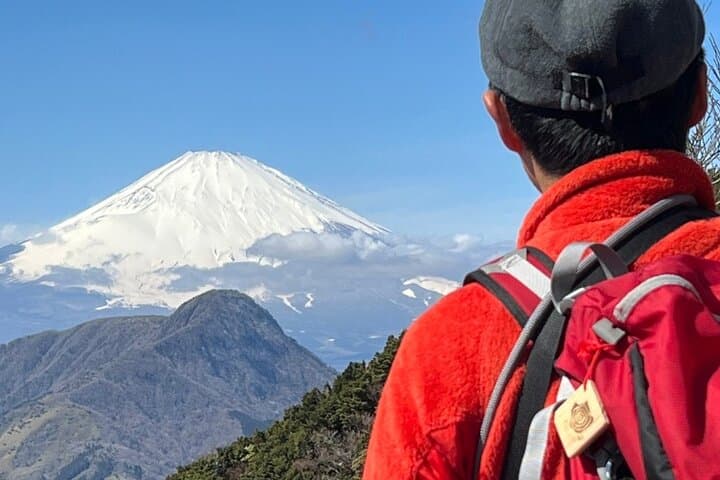
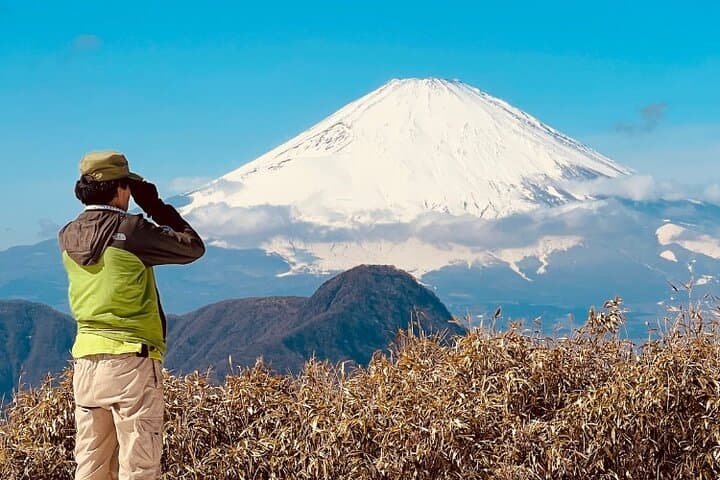
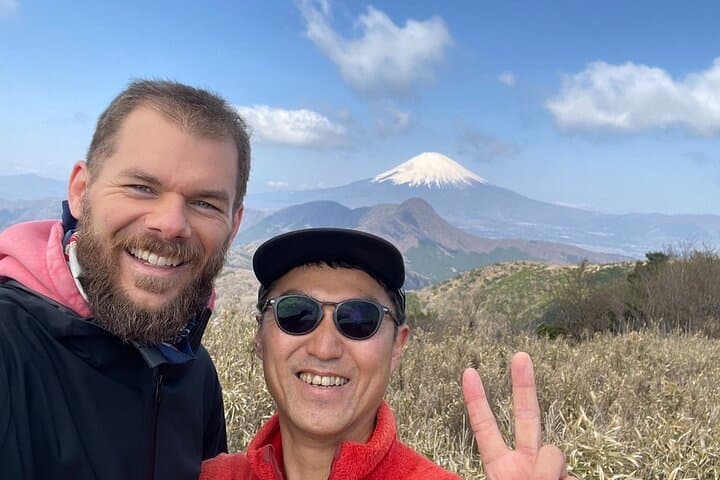
The first 90 minutes climb is honest: a steady 500-meter gain on forest tracks that alternate between packed earth and stone steps. When you push through the last boughs, the ridge opens. The wind on the spine of the caldera tugs at your jacket and reveals why Hakone is celebrated—panoramic sweeps that take in Lake Ashi, the steaming vents of Owakudani, the Miyagino plain and, on a clear day, Mt Fuji rising like a carved shadow on the western horizon.
This landscape is volcanic in both origin and temperament. Hakone occupies a collapsed caldera formed by eruptions thousands of years ago; the ridge you traverse marks the outer lip of that event, a rim worn by time and human footsteps. Sengokuhara’s fields below were shaped by volcanic ash and hot-spring chemistry, and the onsen culture here grew from those same subterranean forces—waters that people have bathed in for centuries to treat aches and steady the spirit.
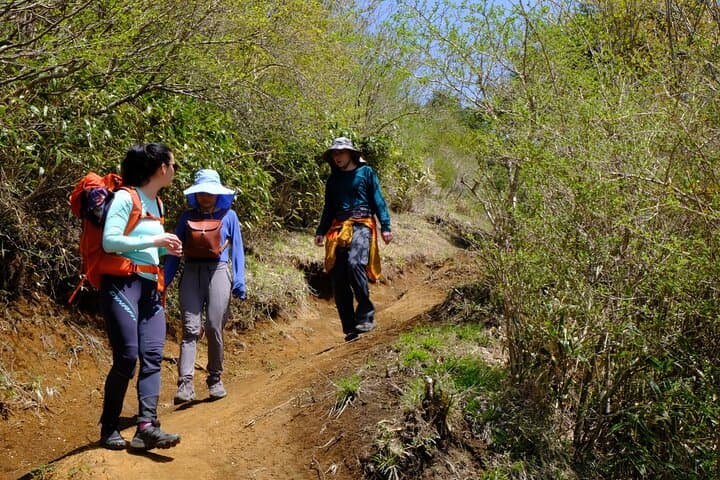
Along the way the route alternates personalities: bamboo stands that whisper with birdsong, pockets of cedar offering shade, and open ridgelines where wind and weather dictate pace. In spring you’ll stumble across sakura; autumn sets the slopes alight with maples; winter can dust the trail with talc-fine snow. The ridge walk is about 2.5–3 hours of steady travel and steady views—expect to stop often for photos and small snacks before descending 30 minutes toward Sengokuhara and the welcome of a local lunch.
Practical matters: the loop is 8–9 km and usually takes 4–5 hours. The operator provides a nationally certified pro guide but not taxi fares; confirm pick-up arrangements at Hakone-Yumoto station. Terrain is mixed—roots, loose rock and exposed sections—so solid footwear and trekking poles help. Bring layered clothing, rain protection, at least 1.5 liters of water, sunscreen and a small towel for the onsen. Be prepared to remove shoes and follow onsen etiquette: no swimsuits in traditional baths and clean yourself thoroughly before entering.
Weather can hide Mt Fuji on short notice; if visibility matters, plan early-season mornings or check local forecasts. The trail suits fit, experienced hikers more than casual walkers—expect steady climbing and a long ridge. End the day with a soak: hot springs here don’t just soothe muscles, they make every step of the traverse feel worth it.
challenging.
4–5 hours.
Suitable for hikers with good aerobic fitness used to sustained climbs (500 m ascent) and ridge walking; not for beginner walkers.
Expect 8–9 km total with about 500 meters of ascent; plan 4–5 hours including breaks, lunch and the onsen.
No—taxis to the trailhead are chartered independently; confirm pick-up details with the guide at Hakone-Yumoto Station.
Yes on clear days the ridge offers frequent views of Mt Fuji, but visibility is weather-dependent—early mornings are most reliable.
Yes the itinerary includes time at a local onsen with indoor and outdoor baths after lunch; follow onsen rules and bring a small towel.
This tour requires a high level of fitness and is not recommended for young children or anyone with spinal, heart, or serious mobility issues.
Layered clothing year-round; waterproof shell in rainy months, warm mid-layers in winter, and sun protection in summer.
The Hakone caldera formed from repeated volcanic eruptions; settlements grew around thermal springs that have been used for centuries for healing and hospitality.
Stay on marked trails to protect fragile alpine vegetation; local operators promote small-group tours to reduce erosion and crowding on the ridge.
Coconuts Hike Japan operates guided outdoor trips and adventures with an emphasis on safety, stewardship, and memorable experiences.
You step off the train at Hakone-Yumoto into cool mountain air and the guide—blue pack, white cap—waves you toward a waiting taxi. The road tightens and pine-scented slopes close in; in 30 minutes you are dropped at roughly 700 meters, where the trail yawns up and the day’s work begins.
You step off the train at Hakone-Yumoto into cool mountain air and the guide—blue pack, white cap—waves you toward a waiting taxi. The road tightens and pine-scented slopes close in; in 30 minutes you are dropped at roughly 700 meters, where the trail yawns up and the day’s work begins.
The first 90 minutes climb is honest: a steady 500-meter gain on forest tracks that alternate between packed earth and stone steps. When you push through the last boughs, the ridge opens. The wind on the spine of the caldera tugs at your jacket and reveals why Hakone is celebrated—panoramic sweeps that take in Lake Ashi, the steaming vents of Owakudani, the Miyagino plain and, on a clear day, Mt Fuji rising like a carved shadow on the western horizon.
This landscape is volcanic in both origin and temperament. Hakone occupies a collapsed caldera formed by eruptions thousands of years ago; the ridge you traverse marks the outer lip of that event, a rim worn by time and human footsteps. Sengokuhara’s fields below were shaped by volcanic ash and hot-spring chemistry, and the onsen culture here grew from those same subterranean forces—waters that people have bathed in for centuries to treat aches and steady the spirit.
Along the way the route alternates personalities: bamboo stands that whisper with birdsong, pockets of cedar offering shade, and open ridgelines where wind and weather dictate pace. In spring you’ll stumble across sakura; autumn sets the slopes alight with maples; winter can dust the trail with talc-fine snow. The ridge walk is about 2.5–3 hours of steady travel and steady views—expect to stop often for photos and small snacks before descending 30 minutes toward Sengokuhara and the welcome of a local lunch.
Practical matters: the loop is 8–9 km and usually takes 4–5 hours. The operator provides a nationally certified pro guide but not taxi fares; confirm pick-up arrangements at Hakone-Yumoto station. Terrain is mixed—roots, loose rock and exposed sections—so solid footwear and trekking poles help. Bring layered clothing, rain protection, at least 1.5 liters of water, sunscreen and a small towel for the onsen. Be prepared to remove shoes and follow onsen etiquette: no swimsuits in traditional baths and clean yourself thoroughly before entering.
Weather can hide Mt Fuji on short notice; if visibility matters, plan early-season mornings or check local forecasts. The trail suits fit, experienced hikers more than casual walkers—expect steady climbing and a long ridge. End the day with a soak: hot springs here don’t just soothe muscles, they make every step of the traverse feel worth it.