THE ADVENTURE COLLECTIVE® · Independent discovery and booking for outdoor travel

Spend a full day in Hakone exploring Owakudani’s volcanic vents, cruising Lake Ashi on a pirate ship with Fuji views, and wandering the Hakone Open‑Air Museum. This private tour packs geology, culture, and sweeping vistas into one accessible itinerary.
Spend a full day in Hakone exploring Owakudani’s volcanic vents, cruising Lake Ashi on a pirate ship with Fuji views, and wandering the Hakone Open‑Air Museum. This private tour packs geology, culture, and sweeping vistas into one accessible itinerary.
Steam hisses from sulfur vents as the valley opens into a moonscape at Owakudani, and a string of black eggs steams on a roadside stall — small, smoky trophies that visitors still taste with an eye on Mount Fuji's silhouette when the sky is clear.
Verified experiences and guided adventures in the surrounding area.
Operated by SmartRyde · Hakone, Kanagawa
Steam hisses from sulfur vents as the valley opens into a moonscape at Owakudani, and a string of black eggs steams on a roadside stall — small, smoky trophies that visitors still taste with an eye on Mount Fuji's silhouette when the sky is clear.
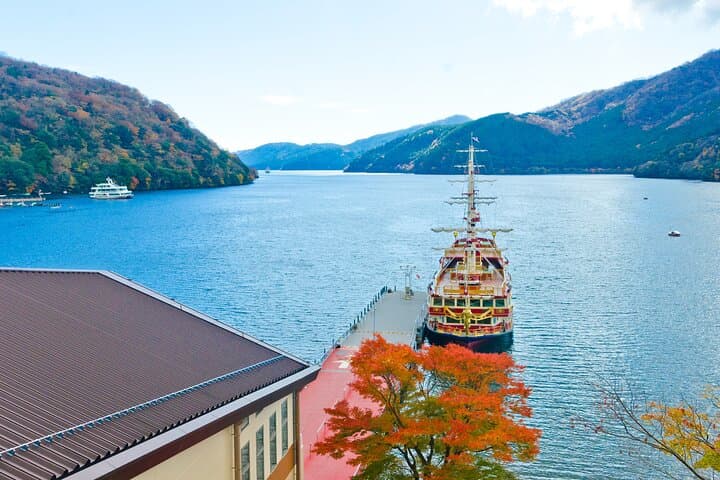
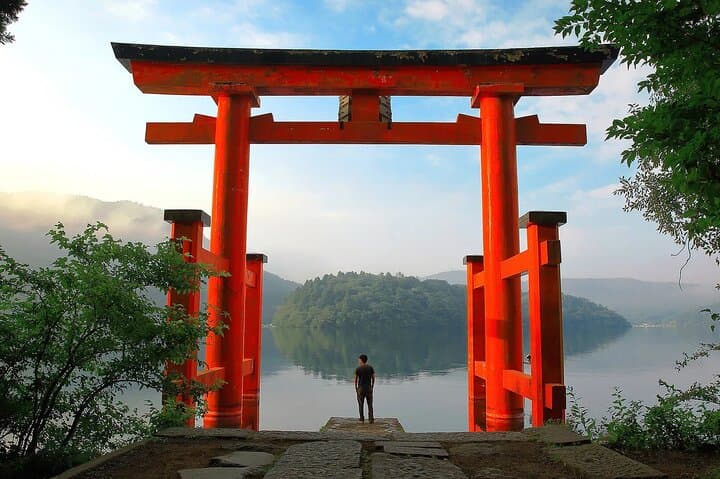
The tour threads three distinct faces of Hakone: the raw volcanic geology of Owakudani formed about 3,000 years ago, Lake Ashi’s broad, reflective water that dares you to look beyond its surface, and the Hakone Open‑Air Museum where modern sculpture meets forest and mountain. Lake Ashi’s pirate ships cross the lake on fixed routes between ports like Tōgendai, offering sightlines to the red torii of Hakone Shrine and, on lucky days, a full view of Fuji.
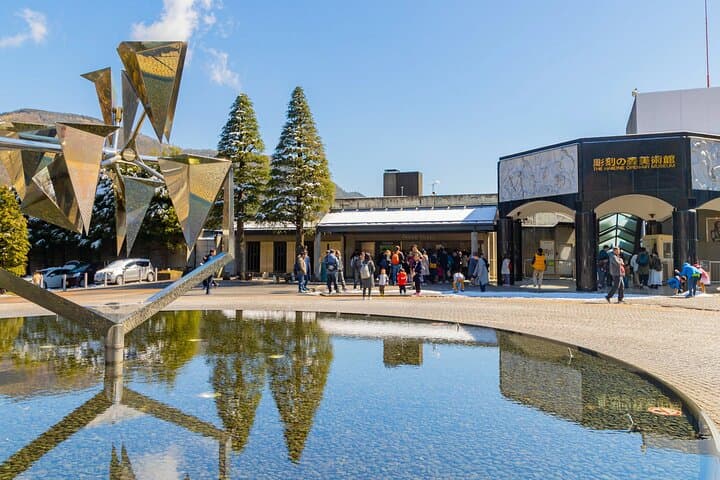
Culturally, Hakone has been a post town and hot‑spring destination for centuries; the Open‑Air Museum (opened 1969) was Japan’s first major outdoor sculpture park, created to connect art with the region’s natural drama. Geology is never far: Owakudani’s vents remain monitored and access can change for safety.
Practically, expect an 11‑hour day with short walks at each stop—paved paths and some steady inclines at museum terraces and viewing platforms. Morning brings the best Fuji visibility; afternoons can cloud in quickly. Bring layerable clothing, good walking shoes, cash for small vendors, and a charged camera. Note that Owakudani may close temporarily for volcanic activity; guides will reroute when necessary. The route balances easy walking with frequent photo stops—an accessible full‑day introduction to Hakone’s elemental contrasts.
easy.
11 hours.
Suitable for all fitness levels; able to walk short distances and manage stairs.
Yes, but visibility depends on weather—mornings are usually best; guides will point out optimal viewpoints and timing.
The tour is family‑friendly with stroller access in many areas, though some viewing spots and museum terraces have stairs.
If Owakudani is closed for volcanic activity, guides typically adjust the itinerary to include additional time at other Hakone sites or alternate viewpoints.
Meals are not listed as included; there are dining options at major stops and local vendors selling snacks like the black eggs.
Hakone developed as a strategic post town and hot‑spring destination on the old Tōkaidō route; the Open‑Air Museum opened in 1969 to marry modern sculpture with the region’s mountains.
High visitor numbers stress sensitive areas—stay on paths, pack out trash, and respect signage around volcanic vents and protected museum grounds.
SmartRyde operates guided outdoor trips and adventures with an emphasis on safety, stewardship, and memorable experiences.
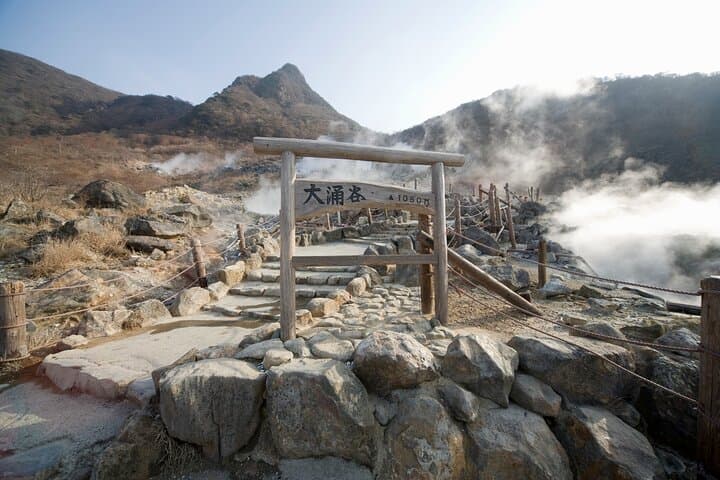
Steam hisses from sulfur vents as the valley opens into a moonscape at Owakudani, and a string of black eggs steams on a roadside stall — small, smoky trophies that visitors still taste with an eye on Mount Fuji's silhouette when the sky is clear.
Steam hisses from sulfur vents as the valley opens into a moonscape at Owakudani, and a string of black eggs steams on a roadside stall — small, smoky trophies that visitors still taste with an eye on Mount Fuji's silhouette when the sky is clear.
The tour threads three distinct faces of Hakone: the raw volcanic geology of Owakudani formed about 3,000 years ago, Lake Ashi’s broad, reflective water that dares you to look beyond its surface, and the Hakone Open‑Air Museum where modern sculpture meets forest and mountain. Lake Ashi’s pirate ships cross the lake on fixed routes between ports like Tōgendai, offering sightlines to the red torii of Hakone Shrine and, on lucky days, a full view of Fuji.
Culturally, Hakone has been a post town and hot‑spring destination for centuries; the Open‑Air Museum (opened 1969) was Japan’s first major outdoor sculpture park, created to connect art with the region’s natural drama. Geology is never far: Owakudani’s vents remain monitored and access can change for safety.
Practically, expect an 11‑hour day with short walks at each stop—paved paths and some steady inclines at museum terraces and viewing platforms. Morning brings the best Fuji visibility; afternoons can cloud in quickly. Bring layerable clothing, good walking shoes, cash for small vendors, and a charged camera. Note that Owakudani may close temporarily for volcanic activity; guides will reroute when necessary. The route balances easy walking with frequent photo stops—an accessible full‑day introduction to Hakone’s elemental contrasts.