THE ADVENTURE COLLECTIVE® · Independent discovery and booking for outdoor travel

Experience Hakodate after dark: a guided waterfront stroll past illuminated red-brick warehouses, up Hachimanzaka, and by ropeway to Mount Hakodate’s celebrated night view. This two-hour tour pairs local history with one of Japan’s top panoramas.
Experience Hakodate after dark: a guided waterfront stroll past illuminated red-brick warehouses, up Hachimanzaka, and by ropeway to Mount Hakodate’s celebrated night view. This two-hour tour pairs local history with one of Japan’s top panoramas.
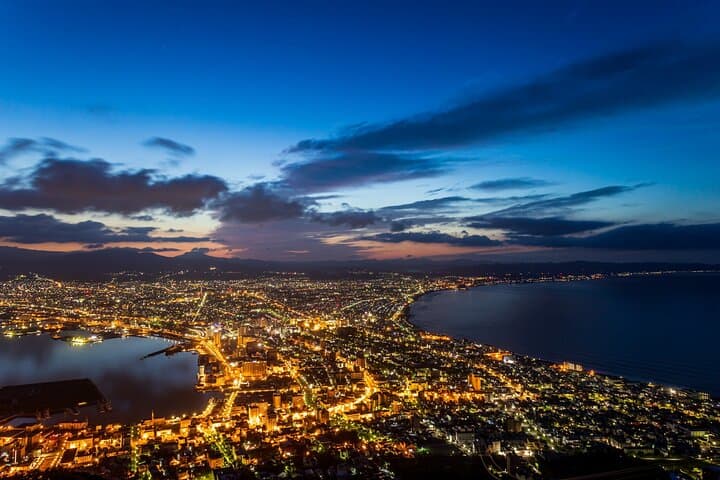
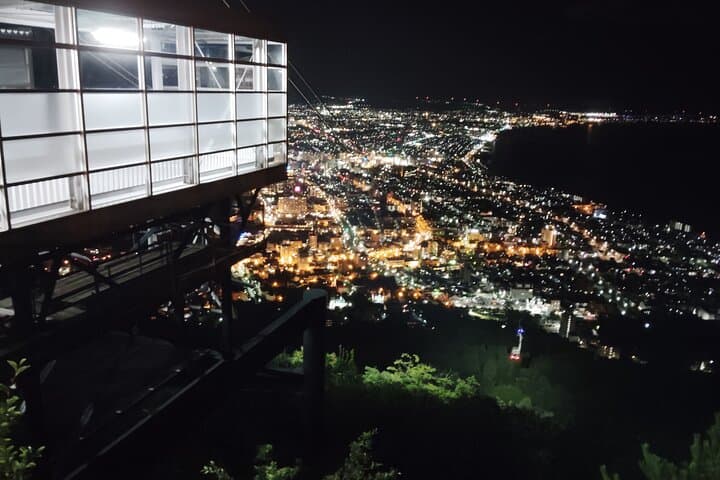
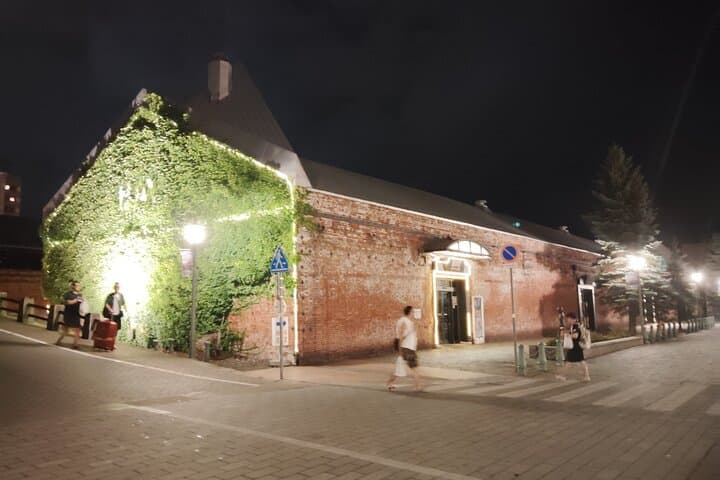
Night arrives slow as the ropeway hums and the harbor lights prick the dark—walkers drift along the waterfront, faces turned toward rows of red-brick warehouses glowing against the sea. The tour begins on level cobbles and a steep viewpoint street that frames the harbor; it ends with the city spread below like a constellation only revealed after dusk.
Verified experiences and guided adventures in the surrounding area.
Operated by DeepExperience · Hakodate, Hokkaido
Night arrives slow as the ropeway hums and the harbor lights prick the dark—walkers drift along the waterfront, faces turned toward rows of red-brick warehouses glowing against the sea. The tour begins on level cobbles and a steep viewpoint street that frames the harbor; it ends with the city spread below like a constellation only revealed after dusk.
Hakodate earned its international character after the mid-19th century when it opened as one of Japan’s first treaty ports. The red-brick storehouses and Motomachi’s Western-style homes show that history in brick and plaster. Geologically, Mount Hakodate is a low volcanic peak (summit ~334 m) whose shoulder drops to the sea and carves the compact city grid—a natural stage for the famed night panorama.
Culturally the area balances Shinto shrines, Christian-era architecture, and mercantile remnants; your guide will point out where trade shaped streets and where local food stalls sell squid and miso flavors that define Hakodate nights.
Practicalities: this is an easy, two-hour guided evening walk that includes a ropeway ascent to the summit. Aim to arrive 30–45 minutes before sunset for the full light-to-dark transition. Wear sturdy shoes for uneven pavement and a windproof layer—the summit wind pushes more insistently than the city. Ropeway tickets are sold on-site and can queue on busy evenings; cash and a card are accepted. Bring a small headlamp for stairs and a camera with steady hands or a tripod for long-exposure city shots. The route is accessible for most fitness levels but includes short slopes and steps.
easy.
2 hours.
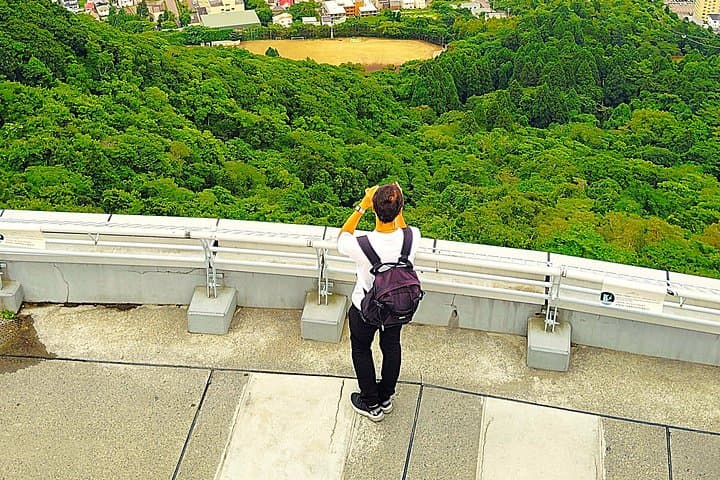
Suitable for most fitness levels; requires short walks on paved slopes and some steps.
The tour runs about two hours, typically including a 40-minute waterfront and Motomachi walk and an 80-minute ropeway visit to the summit.
The itinerary includes the ropeway ride to Mount Hakodate’s summit as part of the experience.
Yes; the tour is rated easy and suitable for most ages, though there are short slopes and steps—consider mobility needs on the summit platform.
Reservations are recommended, especially in high season. Most vendors and the ropeway accept cards, but having some cash is useful for small purchases.
Hakodate opened to international trade in the mid-1800s, bringing Western architecture and commerce that shaped Motomachi and the red-brick warehouses.
Light pollution is a concern for nightscape viewing—stick to designated viewpoints and avoid bright handheld lights; support local businesses that practice responsible seafood sourcing.
DeepExperience operates guided outdoor trips and adventures with an emphasis on safety, stewardship, and memorable experiences.
Night arrives slow as the ropeway hums and the harbor lights prick the dark—walkers drift along the waterfront, faces turned toward rows of red-brick warehouses glowing against the sea. The tour begins on level cobbles and a steep viewpoint street that frames the harbor; it ends with the city spread below like a constellation only revealed after dusk.
Night arrives slow as the ropeway hums and the harbor lights prick the dark—walkers drift along the waterfront, faces turned toward rows of red-brick warehouses glowing against the sea. The tour begins on level cobbles and a steep viewpoint street that frames the harbor; it ends with the city spread below like a constellation only revealed after dusk.
Hakodate earned its international character after the mid-19th century when it opened as one of Japan’s first treaty ports. The red-brick storehouses and Motomachi’s Western-style homes show that history in brick and plaster. Geologically, Mount Hakodate is a low volcanic peak (summit ~334 m) whose shoulder drops to the sea and carves the compact city grid—a natural stage for the famed night panorama.
Culturally the area balances Shinto shrines, Christian-era architecture, and mercantile remnants; your guide will point out where trade shaped streets and where local food stalls sell squid and miso flavors that define Hakodate nights.
Practicalities: this is an easy, two-hour guided evening walk that includes a ropeway ascent to the summit. Aim to arrive 30–45 minutes before sunset for the full light-to-dark transition. Wear sturdy shoes for uneven pavement and a windproof layer—the summit wind pushes more insistently than the city. Ropeway tickets are sold on-site and can queue on busy evenings; cash and a card are accepted. Bring a small headlamp for stairs and a camera with steady hands or a tripod for long-exposure city shots. The route is accessible for most fitness levels but includes short slopes and steps.