THE ADVENTURE COLLECTIVE® · Independent discovery and booking for outdoor travel

Spend a day snowshoeing the famous Hakkoda Mountains with round-trip transport from Aomori Station, rental gear, and an expert interpreter-guide. Walk through frost-coated beech forests, open snowfields and seek out the striking "snow monsters" with a private group and flexible routing based on conditions.
Spend a day snowshoeing the famous Hakkoda Mountains with round-trip transport from Aomori Station, rental gear, and an expert interpreter-guide. Walk through frost-coated beech forests, open snowfields and seek out the striking "snow monsters" with a private group and flexible routing based on conditions.
A cold, clear morning in Hakkoda begins with the hush of snow compressing beneath crisp boots and a guide who knows where the mountain keeps its best views. The ropeway may lift you toward high tree-lines, but this one-day snowshoe tour moves where the powder is freshest — through frost-laden beech stands and wide, wind-sculpted snowfields where the famous "snow monsters" stand like white-armed figures daring you to study them up close.
Verified experiences and guided adventures in the surrounding area.
Operated by 4-Ride · Aomori, Aomori Prefecture
A cold, clear morning in Hakkoda begins with the hush of snow compressing beneath crisp boots and a guide who knows where the mountain keeps its best views. The ropeway may lift you toward high tree-lines, but this one-day snowshoe tour moves where the powder is freshest — through frost-laden beech stands and wide, wind-sculpted snowfields where the famous "snow monsters" stand like white-armed figures daring you to study them up close.
Geologically Hakkoda is a volcanic complex; its slopes collect enormous snowfall thanks to moisture from the Tsugaru Strait and abrupt elevation gain. Culturally the area has long combined hardy mountain life with therapeutic onsen visits — guides will point out local hot-spring towns and the legacy of the 1902 Hakkoda winter disaster that shaped winter travel practices here. Expect lessons in avalanche awareness, tree-line ecology, and why beech forests look different under heavy snow.
Practically, the day runs about six hours with private transport from Aomori Station, rental snowshoes and poles, and an interpreter-guide who tailors the route to weather and crowding. Trails range from gentle packed runs to steeper snowfields; layers, waterproof gloves, and sun protection matter more than pack weight. The guide will adapt pace for family groups and can prioritize frost-covered tree viewing when conditions allow.
Plan for changing weather, keep water accessible in an insulated bottle, and leave time afterward for a soak and hot meal in town — the day ends as simply as it begins: cold air, warm stories, and a clearer sense of how these mountains demand respect and return it in quiet, winter light.
easy.
6 hours.
Suitable for people with basic mobility who can walk on snow for several hours; not recommended for those with serious heart or spinal conditions.
No — the tour is suitable for all skill levels; the guide teaches technique and sets a pace for your group.
The guide will adapt the route based on conditions and may choose alternate low-angle snowfields or forest tracks to maximize safety and views.
Yes — private transportation from Aomori Station is included in the tour price for easy access to the Hakkoda trailheads.
Snowshoe and pole rentals and snow wear are provided, but sizes are limited; you may be asked to confirm sizes after booking and are advised to bring your own gloves and base layers.
Hakkoda's volcanic ridges shaped local culture and travel; the 1902 Hakkoda incident led to stricter winter travel practices and modern mountain safety awareness in the region.
The high snowfall environment is fragile; follow guides, avoid off-route travel to protect subnivean plants, and pack out all waste to minimize impact.
4-Ride operates guided outdoor trips and adventures with an emphasis on safety, stewardship, and memorable experiences.
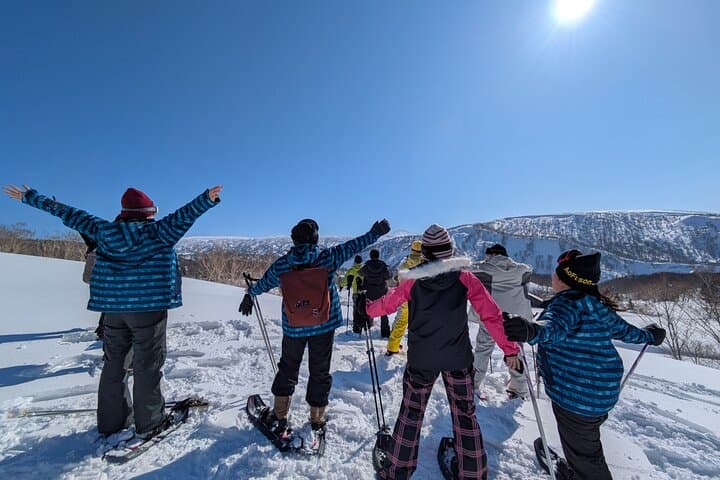
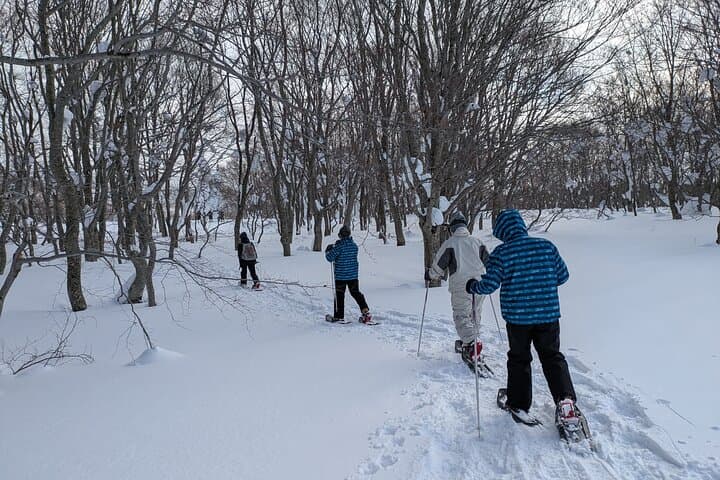
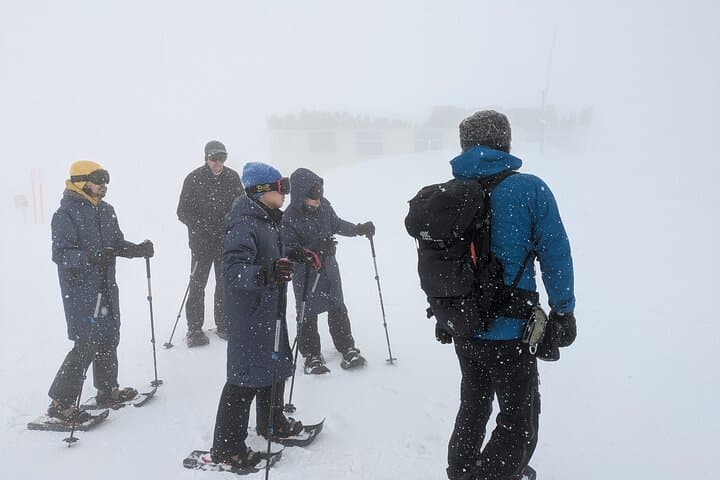
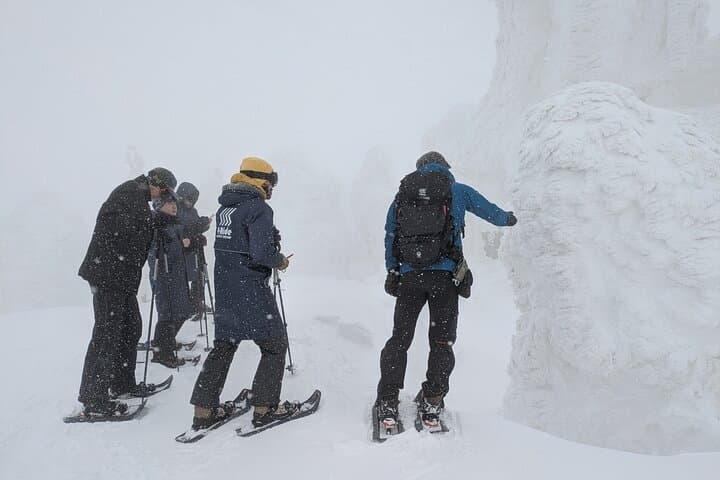
A cold, clear morning in Hakkoda begins with the hush of snow compressing beneath crisp boots and a guide who knows where the mountain keeps its best views. The ropeway may lift you toward high tree-lines, but this one-day snowshoe tour moves where the powder is freshest — through frost-laden beech stands and wide, wind-sculpted snowfields where the famous "snow monsters" stand like white-armed figures daring you to study them up close.
A cold, clear morning in Hakkoda begins with the hush of snow compressing beneath crisp boots and a guide who knows where the mountain keeps its best views. The ropeway may lift you toward high tree-lines, but this one-day snowshoe tour moves where the powder is freshest — through frost-laden beech stands and wide, wind-sculpted snowfields where the famous "snow monsters" stand like white-armed figures daring you to study them up close.
Geologically Hakkoda is a volcanic complex; its slopes collect enormous snowfall thanks to moisture from the Tsugaru Strait and abrupt elevation gain. Culturally the area has long combined hardy mountain life with therapeutic onsen visits — guides will point out local hot-spring towns and the legacy of the 1902 Hakkoda winter disaster that shaped winter travel practices here. Expect lessons in avalanche awareness, tree-line ecology, and why beech forests look different under heavy snow.
Practically, the day runs about six hours with private transport from Aomori Station, rental snowshoes and poles, and an interpreter-guide who tailors the route to weather and crowding. Trails range from gentle packed runs to steeper snowfields; layers, waterproof gloves, and sun protection matter more than pack weight. The guide will adapt pace for family groups and can prioritize frost-covered tree viewing when conditions allow.
Plan for changing weather, keep water accessible in an insulated bottle, and leave time afterward for a soak and hot meal in town — the day ends as simply as it begins: cold air, warm stories, and a clearer sense of how these mountains demand respect and return it in quiet, winter light.