THE ADVENTURE COLLECTIVE® · Independent discovery and booking for outdoor travel

Explore Haifa's Bahá'í terraces, walk Acre's Crusader alleys, and stand at the edge of the Rosh Hanikra grottos on a 6–8 hour shared tour from Haifa Port. Expect coastal cliffs, medieval walls, and practical tips for a full-day northern Israel itinerary.
Explore Haifa's Bahá'í terraces, walk Acre's Crusader alleys, and stand at the edge of the Rosh Hanikra grottos on a 6–8 hour shared tour from Haifa Port. Expect coastal cliffs, medieval walls, and practical tips for a full-day northern Israel itinerary.
The day begins at Haifa Port with the Mediterranean wind pushing salt across the promenade and the Bahá'í terraces cutting a precise line down the northern slope of Mount Carmel. Walks, viewpoints and a pulse of city life open the morning; by noon the tour trades modern harbor views for the narrow streets of Acre and, finally, the white cliffs and thunder of grottos at Rosh Hanikra.
Verified experiences and guided adventures in the surrounding area.
Operated by Ilya Pevzner Tour Guide Israel · Haifa, Haifa District
The day begins at Haifa Port with the Mediterranean wind pushing salt across the promenade and the Bahá'í terraces cutting a precise line down the northern slope of Mount Carmel. Walks, viewpoints and a pulse of city life open the morning; by noon the tour trades modern harbor views for the narrow streets of Acre and, finally, the white cliffs and thunder of grottos at Rosh Hanikra.
Haifa's story spans Bronze Age Tel Shikmona through Ottoman and British port development; the Bahá'í Gardens reflect a 19th-century religious revival that shaped the skyline. Acre (Akko) tightens the focus: a fortified port that hosted Crusader orders and withstood sieges, including Napoleon's 1799 attempt. Geologically, Rosh Hanikra's chalk cliffs are carved by relentless wave action—grottos where the sea dares the rock and channels pulse with blue light.
Culturally the north is layered—Jewish, Arab, Bahá'í communities and Ottoman-era architecture—so expect mixed markets, compact alleys, and seafood stalls near the quays. Practicalities are straightforward: this shared tour runs about 6–8 hours with guided walking stops, uneven stone streets in Acre and steps at viewpoints. The Rosh Hanikra cable car ticket is extra; bring cash or card.
Plan for steady walking in varied conditions, sun exposure on the cliffs, and enough water for the day. A camera, sturdy shoes, and a light windshirt will handle the changes between city promenades, medieval walls, and the Atlantic-like surf of the grottos. Timing a morning start avoids the busiest crowds at Bahá'í and gives the grottos a softer light for photos.
easy.
6–8 hours.
Suitable for most fitness levels; involves several short to moderate walks, standing during guided talks and negotiating steps and uneven paving.
No, the cable car ticket is not included in the tour price; expect to pay approximately 53 NIS (~$15) per person at the site.
The operator can provide wheelchair assistance on request, but some sites—Acre's medieval lanes and grotto platforms—have uneven surfaces and steps that limit full accessibility.
The tour starts at Haifa Port and runs approximately 6–8 hours, including driving time between Haifa, Acre and Rosh Hanikra.
Admission to museums and meals are generally not included; expect optional entrance fees at certain museums and personal meal costs.
Haifa developed around ancient Tel Shikmona and became a strategic modern port under British rule; Acre served as the last Crusader stronghold and a key Ottoman port city.
Rosh Hanikra is a protected coastal reserve—stay on marked paths to prevent cliff erosion and avoid disturbing nesting sea birds; support local guides who promote low-impact visits.
Ilya Pevzner Tour Guide Israel operates guided outdoor trips and adventures with an emphasis on safety, stewardship, and memorable experiences.
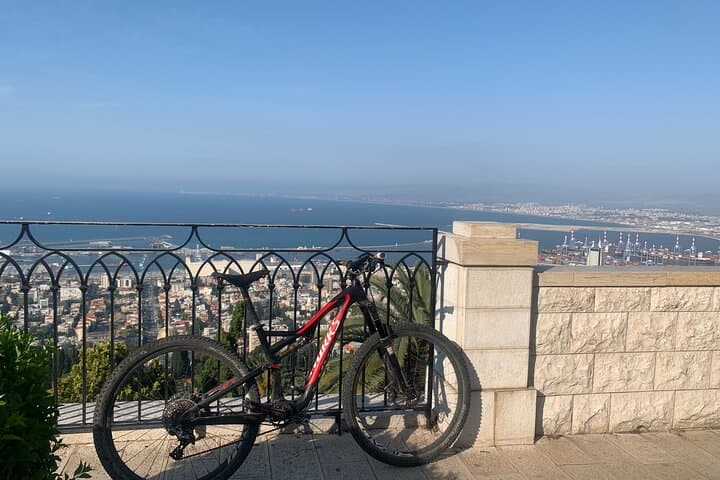
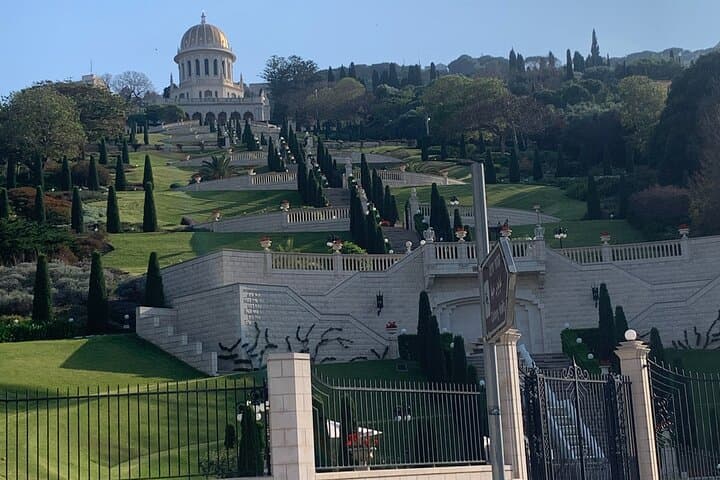
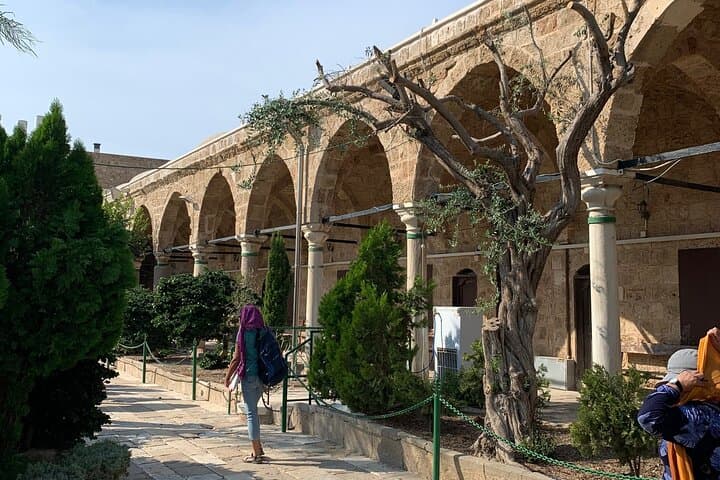
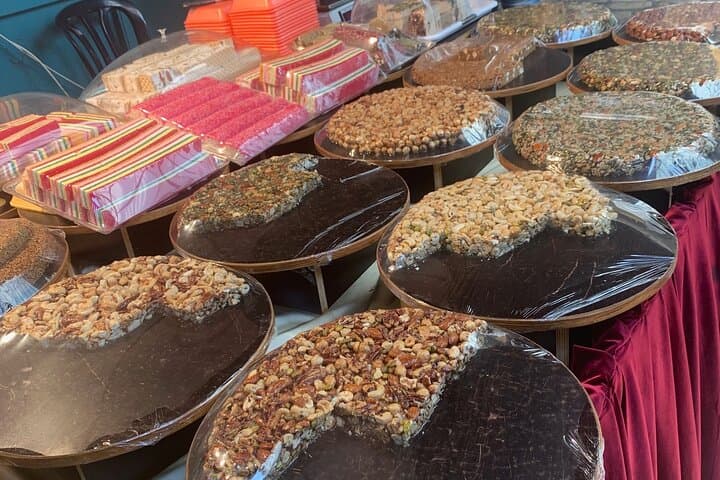
The day begins at Haifa Port with the Mediterranean wind pushing salt across the promenade and the Bahá'í terraces cutting a precise line down the northern slope of Mount Carmel. Walks, viewpoints and a pulse of city life open the morning; by noon the tour trades modern harbor views for the narrow streets of Acre and, finally, the white cliffs and thunder of grottos at Rosh Hanikra.
The day begins at Haifa Port with the Mediterranean wind pushing salt across the promenade and the Bahá'í terraces cutting a precise line down the northern slope of Mount Carmel. Walks, viewpoints and a pulse of city life open the morning; by noon the tour trades modern harbor views for the narrow streets of Acre and, finally, the white cliffs and thunder of grottos at Rosh Hanikra.
Haifa's story spans Bronze Age Tel Shikmona through Ottoman and British port development; the Bahá'í Gardens reflect a 19th-century religious revival that shaped the skyline. Acre (Akko) tightens the focus: a fortified port that hosted Crusader orders and withstood sieges, including Napoleon's 1799 attempt. Geologically, Rosh Hanikra's chalk cliffs are carved by relentless wave action—grottos where the sea dares the rock and channels pulse with blue light.
Culturally the north is layered—Jewish, Arab, Bahá'í communities and Ottoman-era architecture—so expect mixed markets, compact alleys, and seafood stalls near the quays. Practicalities are straightforward: this shared tour runs about 6–8 hours with guided walking stops, uneven stone streets in Acre and steps at viewpoints. The Rosh Hanikra cable car ticket is extra; bring cash or card.
Plan for steady walking in varied conditions, sun exposure on the cliffs, and enough water for the day. A camera, sturdy shoes, and a light windshirt will handle the changes between city promenades, medieval walls, and the Atlantic-like surf of the grottos. Timing a morning start avoids the busiest crowds at Bahá'í and gives the grottos a softer light for photos.