
Hai Van Pass and Hue Imperial City Day Trip from Da Nang
Drive the dramatic Hai Van Pass and step into the faded grandeur of Hue’s Imperial City in a full‑day tour from Da Nang. Expect scenic coastal viewpoints, royal tombs, Thien Mu Pagoda on the Perfume River, and a Hue‑style lunch.
An Adventure In Da Nang.
Drive the dramatic Hai Van Pass and step into the faded grandeur of Hue’s Imperial City in a full‑day tour from Da Nang. Expect scenic coastal viewpoints, royal tombs, Thien Mu Pagoda on the Perfume River, and a Hue‑style lunch.
Read the full experience
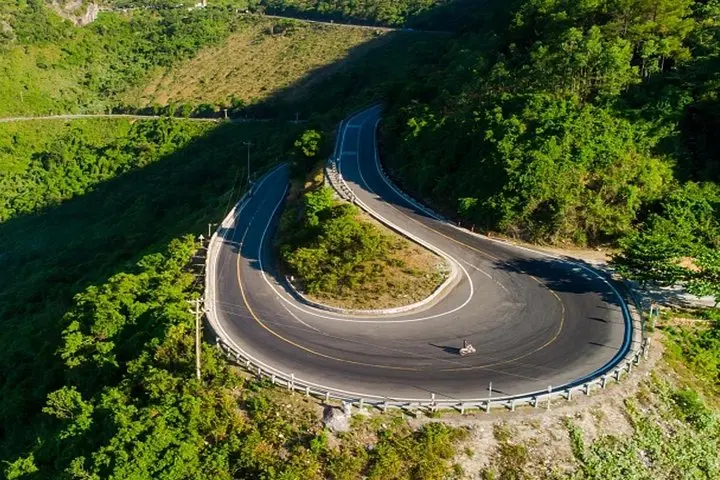
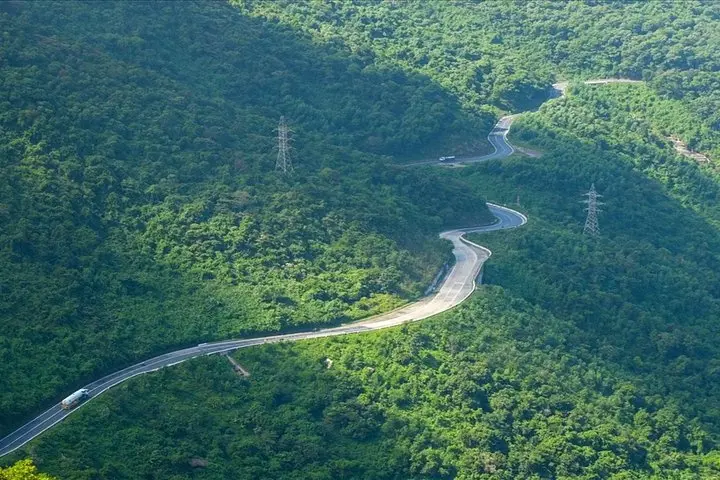
The road climbs and the city falls away: ocean on your right, steep karst shoulders on your left, and the Hai Van Pass opening like a long inhalation between Da Nang and Hue. Early in the day the pass is cool and bright; motorcycles and tour vans weave past mirrored lagoons and roadside viewpoints while the coastal wind dares you to stop and look.
The road climbs and the city falls away: ocean on your right, steep karst shoulders on your left, and the Hai Van Pass opening like a long inhalation between Da Nang and Hue. Early in the day the pass is cool and bright; motorcycles and tour vans weave past mirrored lagoons and roadside viewpoints while the coastal wind dares you to stop and look.
Hue itself sits farther inland on the Perfume River, the former seat of the Nguyen dynasty (1802–1945). The Imperial City’s fortified walls and the Forbidden Purple City reveal the political geometry of an era that tried to hold ceremonial order against modern change. Khai Dinh’s tomb, by contrast, mixes Eastern ornament with Western materials—mosaic glass and concrete—reflecting a contested chapter of Vietnam’s history. Geologically, the Hai Van ridge is a short sharp spine of limestone and shale where coastal erosion and monsoon rains have carved sheer faces and terraces, feeding lagoons like Lap An.
Culturally, this route connects maritime livelihoods, Buddhist monasteries such as Thien Mu Pagoda, and the slow commerce of Hue markets—try bun bo Hue at lunch to taste the city’s flavor politics.
Practical guidance: expect an 11‑hour day with multiple short walks, stairs at tombs and palaces, and vehicle transfers on winding roads. Bring sun protection, a light rain jacket (monsoon showers are local), comfortable shoes for uneven stone steps, and cash for small purchases. Time your visit for morning light along Hai Van and late afternoon in Hue if you prefer softer crowds.
Frequently asked questions
Pick-up is typically from hotels in Da Nang in the morning; the tour returns to Da Nang by late afternoon or early evening.
Yes—lunch at a local restaurant serves Hue specialties; inform the operator in advance for dietary restrictions.
Entrance fees for the listed itinerary stops are included; bring cash for optional purchases.
The tour is family‑friendly but includes stairs and uneven ground; travelers with significant mobility limits should check accessibility at specific sites or request assistance.
About This Experience
Best Vietnam Tours operates guided outdoor trips and adventures with an emphasis on safety, stewardship, and memorable experiences.
Adventure tips
Recommended gear
- Comfortable walking shoes: Grip and support matter on uneven stone steps and cobbled courtyards.
- Light rain jacket: Monsoon showers or coastal spray can appear suddenly, keeping you dry between stops.
- Sun protection (hat + SPF): Exposed viewpoints on the Hai Van Pass can be intense in midday sun.
- Small daypack: Carries water, camera, guidebooks, and purchases without getting in the way on walks.
Photos of the experience


Related adventures & guides
Read the full experience
The road climbs and the city falls away: ocean on your right, steep karst shoulders on your left, and the Hai Van Pass opening like a long inhalation between Da Nang and Hue. Early in the day the pass is cool and bright; motorcycles and tour vans weave past mirrored lagoons and roadside viewpoints while the coastal wind dares you to stop and look.
The road climbs and the city falls away: ocean on your right, steep karst shoulders on your left, and the Hai Van Pass opening like a long inhalation between Da Nang and Hue. Early in the day the pass is cool and bright; motorcycles and tour vans weave past mirrored lagoons and roadside viewpoints while the coastal wind dares you to stop and look.
Hue itself sits farther inland on the Perfume River, the former seat of the Nguyen dynasty (1802–1945). The Imperial City’s fortified walls and the Forbidden Purple City reveal the political geometry of an era that tried to hold ceremonial order against modern change. Khai Dinh’s tomb, by contrast, mixes Eastern ornament with Western materials—mosaic glass and concrete—reflecting a contested chapter of Vietnam’s history. Geologically, the Hai Van ridge is a short sharp spine of limestone and shale where coastal erosion and monsoon rains have carved sheer faces and terraces, feeding lagoons like Lap An.
Culturally, this route connects maritime livelihoods, Buddhist monasteries such as Thien Mu Pagoda, and the slow commerce of Hue markets—try bun bo Hue at lunch to taste the city’s flavor politics.
Practical guidance: expect an 11‑hour day with multiple short walks, stairs at tombs and palaces, and vehicle transfers on winding roads. Bring sun protection, a light rain jacket (monsoon showers are local), comfortable shoes for uneven stone steps, and cash for small purchases. Time your visit for morning light along Hai Van and late afternoon in Hue if you prefer softer crowds.
Make a day of it nearby.
Verified experiences and guided adventures in the surrounding area.