THE ADVENTURE COLLECTIVE® · Independent discovery and booking for outdoor travel

Walk an old lava trail to a coastal spring where freshwater meets the Pacific. This guided Puna hike blends geology, endemic flora, and a supervised swim to Punawai spring—perfect for travelers comfortable with uneven terrain and open-water crossings.
Walk an old lava trail to a coastal spring where freshwater meets the Pacific. This guided Puna hike blends geology, endemic flora, and a supervised swim to Punawai spring—perfect for travelers comfortable with uneven terrain and open-water crossings.
The path opens under a humid canopy, leaves slick with ocean spray, and the Pacific sits just beyond the cliff windows—blue, impatient, and eroding the shore as you walk.
Verified experiences and guided adventures in the surrounding area.
Operated by Christian Kealohapauʻoleokeali’iahokulaninuiākea Phillips · Pāhoa, Hawaii
The path opens under a humid canopy, leaves slick with ocean spray, and the Pacific sits just beyond the cliff windows—blue, impatient, and eroding the shore as you walk.
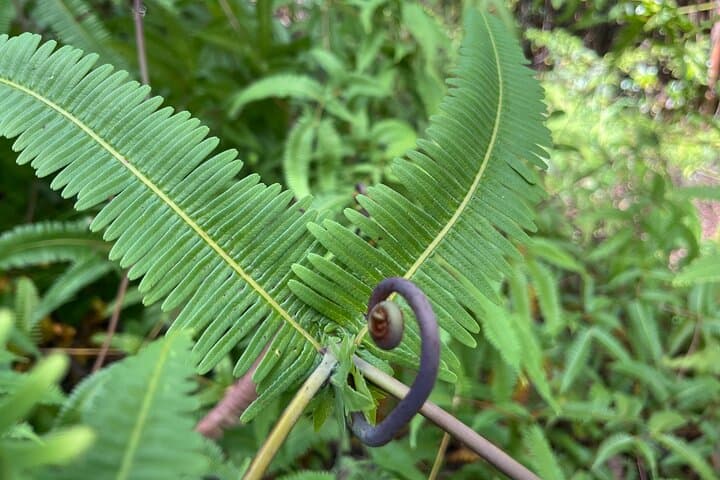
On this Puna coastal hike, the route threads older pahoehoe and aʻa lava flows into a green corridor where freshwater springs meet the sea. Local guides—Native Hawaiian stewards—point out endemic plants like ʻōhiʻa and hāpuʻu, explain how lava sculpted the cliffs, and narrate human stories tied to Hāʻena and the spring known as Punawai.
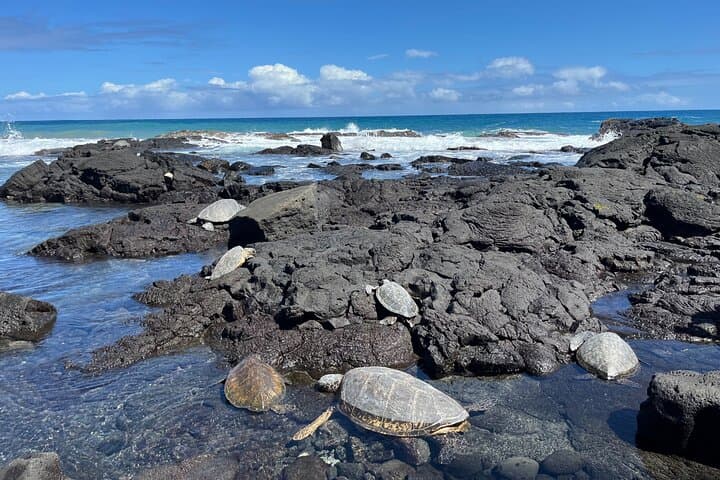
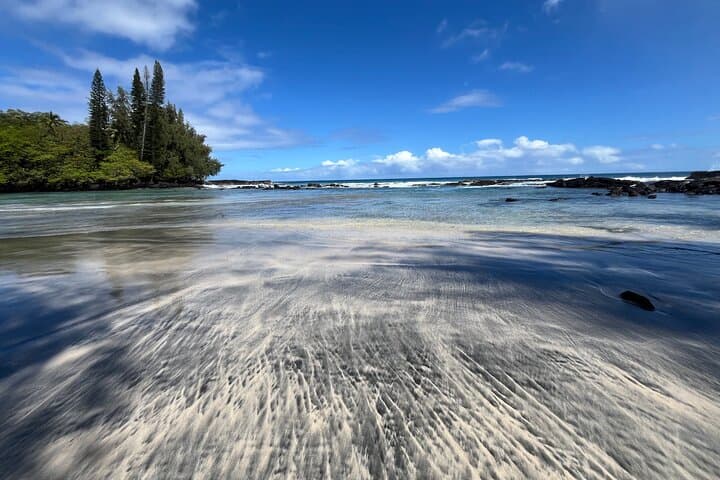
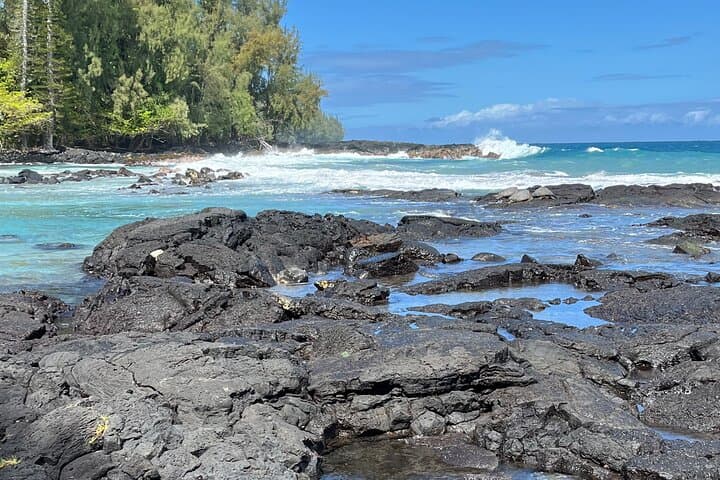
Geology is visible at every step: twisted black basalt beside pale sand, sudden inlets where spring water bubbles cold into the salt. Cultural elements are woven into the walk—lei presentations, place names, and an emphasis on protocol at freshwater sites. Marine life is close at hand in tide pools and the bay; guides brief swimmers before the short crossing to the Punawai spring.
Practical notes: the experience lasts about four hours total, with roughly two hours on trail and time for a guided swim. Terrain alternates packed dirt, exposed roots, and sections of rough lava; footing can be uneven and slippery when wet. Swimmers should be comfortable in open water and able to handle moderate currents when crossing to the spring.
Bring reef-safe sunscreen, a travel towel, sturdy trail shoes, and a dry bag for electronics. Timing your visit for morning light reduces heat and usually means calmer seas for the swim. Respect the spring—treat it as a cultural site, not a photo backdrop.
moderate.
3–4 hours.
Moderate fitness; comfortable with steady hiking, short climbs, and an open-water swim.
The tour runs about four hours total—roughly two hours hiking and time allocated for a guided swim at the spring.
No; participants should be comfortable in open water and able to handle light currents—guides assess conditions and may advise against swimming if unsafe.
Not recommended for travelers with spinal or serious heart conditions; fitness should be at least moderate due to uneven terrain and the swim component.
Meet at the designated coastal trail parking area at the end of the beach road—look for a gate, large stones, and a trail map; guides typically wear yellow for easy identification.
The Puna coastline bears layers of volcanic flows; the area’s springs and shorelines have long cultural significance for Native Hawaiian communities, used for freshwater access and local rituals.
Visitors are asked to use reef-safe products, avoid disturbing freshwater sources, and follow Leave No Trace principles to protect fragile coastal and stream ecosystems.
Christian Kealohapauʻoleokeali’iahokulaninuiākea Phillips operates guided outdoor trips and adventures with an emphasis on safety, stewardship, and memorable experiences.
The path opens under a humid canopy, leaves slick with ocean spray, and the Pacific sits just beyond the cliff windows—blue, impatient, and eroding the shore as you walk.
The path opens under a humid canopy, leaves slick with ocean spray, and the Pacific sits just beyond the cliff windows—blue, impatient, and eroding the shore as you walk.
On this Puna coastal hike, the route threads older pahoehoe and aʻa lava flows into a green corridor where freshwater springs meet the sea. Local guides—Native Hawaiian stewards—point out endemic plants like ʻōhiʻa and hāpuʻu, explain how lava sculpted the cliffs, and narrate human stories tied to Hāʻena and the spring known as Punawai.
Geology is visible at every step: twisted black basalt beside pale sand, sudden inlets where spring water bubbles cold into the salt. Cultural elements are woven into the walk—lei presentations, place names, and an emphasis on protocol at freshwater sites. Marine life is close at hand in tide pools and the bay; guides brief swimmers before the short crossing to the Punawai spring.
Practical notes: the experience lasts about four hours total, with roughly two hours on trail and time for a guided swim. Terrain alternates packed dirt, exposed roots, and sections of rough lava; footing can be uneven and slippery when wet. Swimmers should be comfortable in open water and able to handle moderate currents when crossing to the spring.
Bring reef-safe sunscreen, a travel towel, sturdy trail shoes, and a dry bag for electronics. Timing your visit for morning light reduces heat and usually means calmer seas for the swim. Respect the spring—treat it as a cultural site, not a photo backdrop.