THE ADVENTURE COLLECTIVE® · Independent discovery and booking for outdoor travel

Walk the ridge where Roman legions once patrolled: a self-guided audio tour leads you through Housesteads Roman Fort's best-preserved remains. Downloaded to your phone, the tour explains the fort's layout and its role on Hadrian's Wall while you explore at your own pace.
Walk the ridge where Roman legions once patrolled: a self-guided audio tour leads you through Housesteads Roman Fort's best-preserved remains. Downloaded to your phone, the tour explains the fort's layout and its role on Hadrian's Wall while you explore at your own pace.
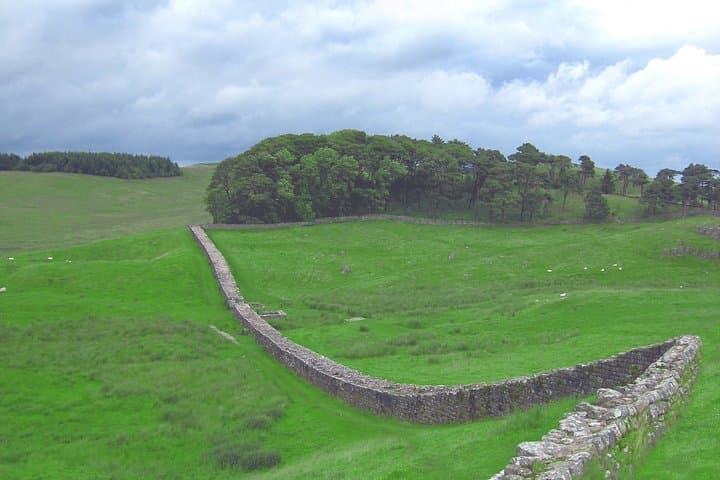
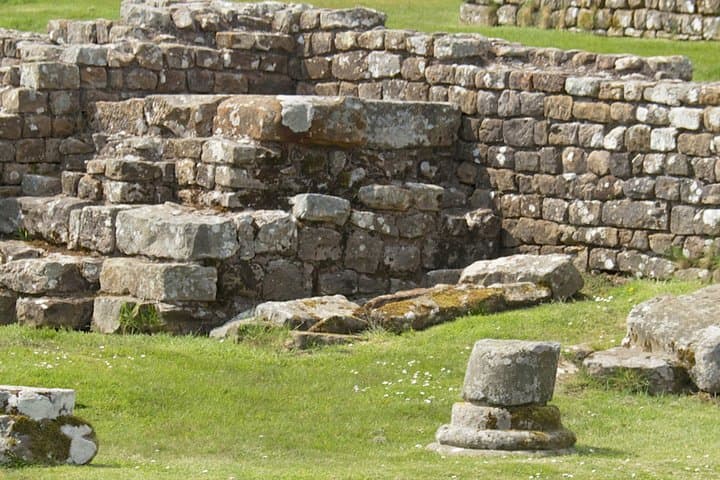
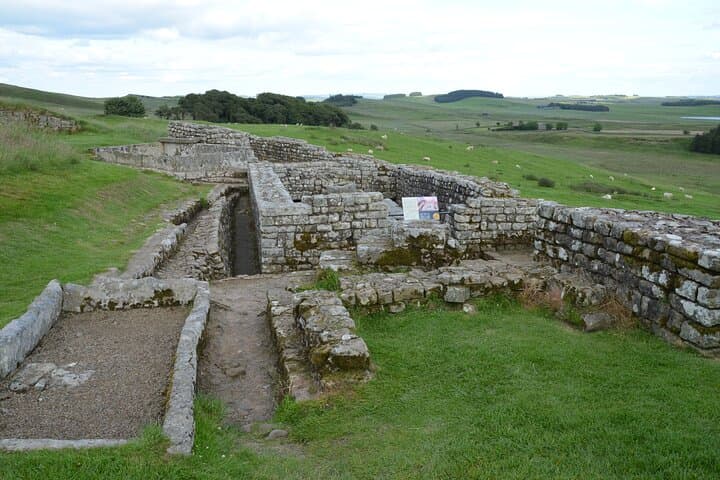
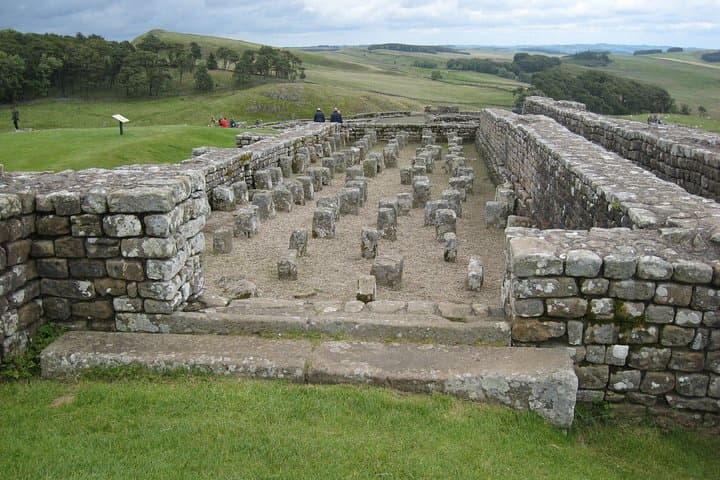
You step off the lane and the wall meets you first—low, weathered stone running across open moor where wind and sky trade places. Housesteads sits on a ridge with fragments of barrack blocks, a granary base and the fort's commanding vantage over the rolling Northumberland countryside. The audio guides your pace: stop at a turret, listen to a soldier's routine, then move on as the moorland exhales.
Verified experiences and guided adventures in the surrounding area.
Operated by VoiceMap Audio Tours · Bardon Mill, Northumberland
You step off the lane and the wall meets you first—low, weathered stone running across open moor where wind and sky trade places. Housesteads sits on a ridge with fragments of barrack blocks, a granary base and the fort's commanding vantage over the rolling Northumberland countryside. The audio guides your pace: stop at a turret, listen to a soldier's routine, then move on as the moorland exhales.
Hadrian’s Wall was raised under Emperor Hadrian around AD 122 as Rome’s northern boundary; Housesteads (Vercovicium) is among its most complete posted forts, showing both military layout and traces of civilian life. Geology is plain to see—Whin Sill outcrops and local sandstone supplied the Romans their building blocks, and the terrain still channels weather into sharp, open views.
Culturally, the site sits between managed conservation and farmed land: the National Trust and English Heritage steward archaeology while sheep graze in the fields below. The audio app provides context but not entry—buy an English Heritage ticket on arrival or online.
Practical guidance: this self-guided tour runs 40–65 minutes and is best early or late in the day for softer light and fewer visitors. Wear sturdy footwear—ancient stone and uneven paths demand traction—and download the VoiceMap audio and offline maps before you go. Bring spare battery power, a waterproof layer, and time to linger: the fort rewards small detours and quiet observation of landscape and ruined stone.
easy.
40–65 minutes.
Suitable for most fitness levels; requires short stretches of walking on uneven ground and a few steps.
No—this audio tour does not include admission. Purchase an English Heritage ticket separately to enter the fort.
The audio tour runs approximately 40–65 minutes depending on pacing and how long you linger at points of interest.
No—this tour offers offline audio and maps, but download the content in the VoiceMap app before you arrive to avoid connectivity issues.
The site is family-friendly but has uneven ground and steps; strollers are not recommended beyond the main paths.
Hadrian’s Wall was built from AD 122 as Rome’s northern frontier; Housesteads served as a garrison fort guarding a vital stretch of wall and road.
English Heritage and National Trust manage different sections—stay on designated paths to protect fragile archaeology and grazing habitats.
VoiceMap Audio Tours operates guided outdoor trips and adventures with an emphasis on safety, stewardship, and memorable experiences.
You step off the lane and the wall meets you first—low, weathered stone running across open moor where wind and sky trade places. Housesteads sits on a ridge with fragments of barrack blocks, a granary base and the fort's commanding vantage over the rolling Northumberland countryside. The audio guides your pace: stop at a turret, listen to a soldier's routine, then move on as the moorland exhales.
You step off the lane and the wall meets you first—low, weathered stone running across open moor where wind and sky trade places. Housesteads sits on a ridge with fragments of barrack blocks, a granary base and the fort's commanding vantage over the rolling Northumberland countryside. The audio guides your pace: stop at a turret, listen to a soldier's routine, then move on as the moorland exhales.
Hadrian’s Wall was raised under Emperor Hadrian around AD 122 as Rome’s northern boundary; Housesteads (Vercovicium) is among its most complete posted forts, showing both military layout and traces of civilian life. Geology is plain to see—Whin Sill outcrops and local sandstone supplied the Romans their building blocks, and the terrain still channels weather into sharp, open views.
Culturally, the site sits between managed conservation and farmed land: the National Trust and English Heritage steward archaeology while sheep graze in the fields below. The audio app provides context but not entry—buy an English Heritage ticket on arrival or online.
Practical guidance: this self-guided tour runs 40–65 minutes and is best early or late in the day for softer light and fewer visitors. Wear sturdy footwear—ancient stone and uneven paths demand traction—and download the VoiceMap audio and offline maps before you go. Bring spare battery power, a waterproof layer, and time to linger: the fort rewards small detours and quiet observation of landscape and ruined stone.