THE ADVENTURE COLLECTIVE® · Independent discovery and booking for outdoor travel

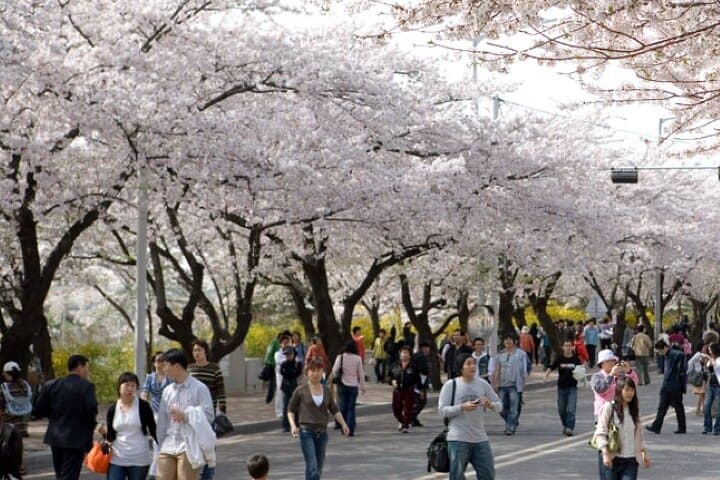
Spend a private day moving from Hwagae’s 4km cherry blossom road to the ancient tea terraces near Ssanggyesa Temple. This guided loop blends market culture, temple history, and hands-on tasting with short, easy walks among blooms and tea bushes.
Spend a private day moving from Hwagae’s 4km cherry blossom road to the ancient tea terraces near Ssanggyesa Temple. This guided loop blends market culture, temple history, and hands-on tasting with short, easy walks among blooms and tea bushes.
Dawn light slices across the Seomjin River as your private vehicle threads down a country road lined by pale cherry blooms — petals drift like slow snow and the scent of damp earth and tea leaves rides the air.
Verified experiences and guided adventures in the surrounding area.
Operated by Frank Yi · Hadong, Gyeongsangnam-do
Dawn light slices across the Seomjin River as your private vehicle threads down a country road lined by pale cherry blooms — petals drift like slow snow and the scent of damp earth and tea leaves rides the air.
This full-day private loop links two complementary landscapes: Hwagae’s celebrated 4km cherry blossom avenue and the terraced green tea fields of Dosim Dawon at the foot of Jirisan. The route moves from market stalls and local snacks at Hwagae Market to the quiet of Ssanggyesa Temple, founded in the 8th century, where stone steps reveal temple buildings rebuilt after the Imjin War and a slope of flowering cherries.
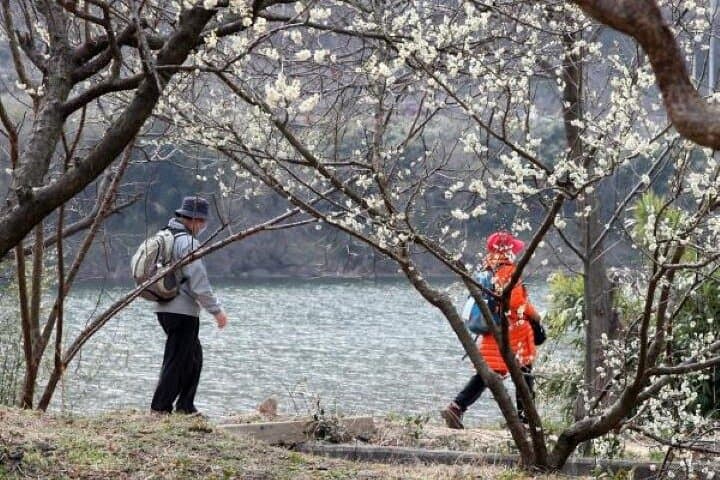
Geology here is folded granite and low volcanic foothills that funnel mist and moisture into shallow, well-drained soils ideal for tea cultivation; Hadong is recognized as Korea’s earliest tea-producing region. Cultural threads include rural foodways — Hong-Ssangri’s aged maesil (plum) extract — and Gwangyang’s regional bulgogi tradition, a savory closer to the day.
Practical guidance: the day runs roughly 9–10 hours door-to-door from Busan, with short walks on paved and compact dirt roads. Expect light crowds on festival weekends; weekdays offer calmer paths. Bring layered clothing for crisp morning temperatures and warmer afternoons, a small daypack, cash for market purchases, and comfortable shoes for uneven temple steps. Hydrate early and plan your camera time around softer morning or late-afternoon light to capture blossoms and tea terraces without backlighting.
easy.
9–10 hours.
Suitable for most fitness levels; involves several short walks (10–30 minutes) on paved or compact dirt surfaces and some stairs at temple sites.
Pickup is typically in Busan (hotel or convenient public spot); the operator confirms a precise time and pickup point when you book.
Transportation can be wheelchair accessible, and most roads are paved, but some temple areas and market alleys have steps or uneven surfaces—check specifics with the operator before booking.
Meals are not included; the itinerary allows time to sample Hwagae Market snacks and finish with a Gwangyang bulgogi dinner at your own expense.
Full refund is available if you cancel at least 24 hours before departure; the tour requires a minimum number of passengers and may be canceled with a full refund if that minimum isn’t met.
Hadong is recognized as Korea’s earliest tea-growing region; Ssanggyesa Temple dates to 722 and was rebuilt after the late 16th-century Imjin War.
Cherry blossom roads and tea terraces are sensitive to foot traffic — stick to paths, avoid picking flowers or tea leaves, and support local producers to benefit community conservation.
Frank Yi operates guided outdoor trips and adventures with an emphasis on safety, stewardship, and memorable experiences.
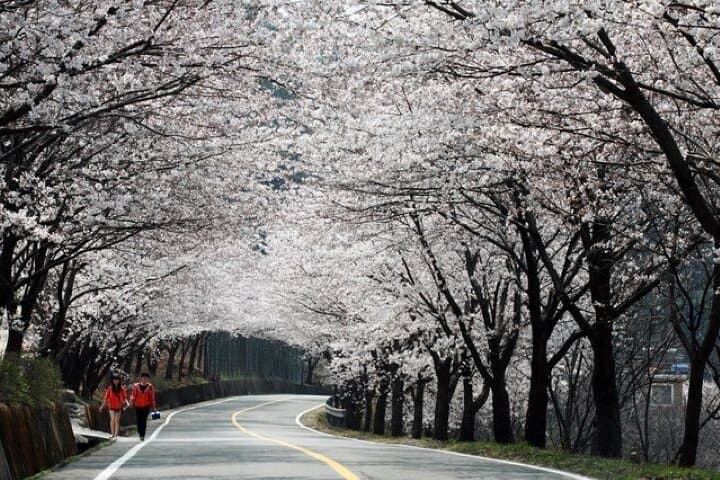
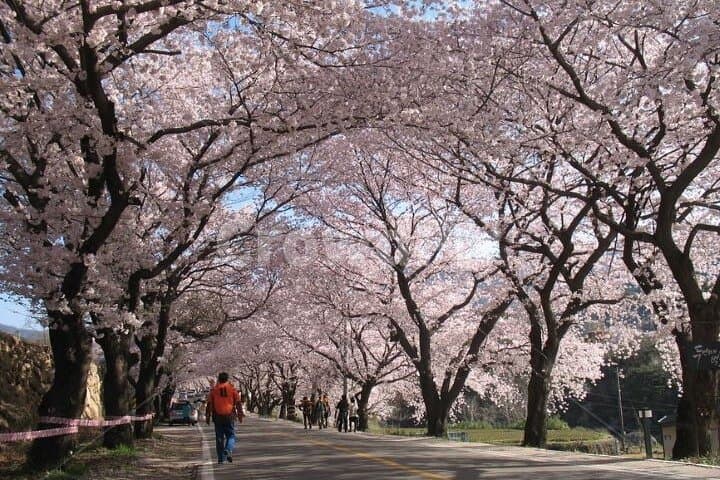
Dawn light slices across the Seomjin River as your private vehicle threads down a country road lined by pale cherry blooms — petals drift like slow snow and the scent of damp earth and tea leaves rides the air.
Dawn light slices across the Seomjin River as your private vehicle threads down a country road lined by pale cherry blooms — petals drift like slow snow and the scent of damp earth and tea leaves rides the air.
This full-day private loop links two complementary landscapes: Hwagae’s celebrated 4km cherry blossom avenue and the terraced green tea fields of Dosim Dawon at the foot of Jirisan. The route moves from market stalls and local snacks at Hwagae Market to the quiet of Ssanggyesa Temple, founded in the 8th century, where stone steps reveal temple buildings rebuilt after the Imjin War and a slope of flowering cherries.
Geology here is folded granite and low volcanic foothills that funnel mist and moisture into shallow, well-drained soils ideal for tea cultivation; Hadong is recognized as Korea’s earliest tea-producing region. Cultural threads include rural foodways — Hong-Ssangri’s aged maesil (plum) extract — and Gwangyang’s regional bulgogi tradition, a savory closer to the day.
Practical guidance: the day runs roughly 9–10 hours door-to-door from Busan, with short walks on paved and compact dirt roads. Expect light crowds on festival weekends; weekdays offer calmer paths. Bring layered clothing for crisp morning temperatures and warmer afternoons, a small daypack, cash for market purchases, and comfortable shoes for uneven temple steps. Hydrate early and plan your camera time around softer morning or late-afternoon light to capture blossoms and tea terraces without backlighting.