THE ADVENTURE COLLECTIVE® · Independent discovery and booking for outdoor travel

Spend a full day from Cali exploring Hacienda El Paraíso, the colonial charm of Piedechinche and a hands-on Sugar Cane Museum tour. This accessible cultural drive combines historic houses, agricultural landscape and a regional lunch.
Spend a full day from Cali exploring Hacienda El Paraíso, the colonial charm of Piedechinche and a hands-on Sugar Cane Museum tour. This accessible cultural drive combines historic houses, agricultural landscape and a regional lunch.
Morning light on the Valle del Cauca throws long shadows across the sugarcane, and the road from Cali opens like a ribbon toward two colonial houses that still speak of a different pace. At Hacienda El Paraíso the air carries the faint scent of roses — a reminder of the love story in Jorge Isaacs' novel María — while low stone walls and shaded patios frame views of the surrounding valley.
Verified experiences and guided adventures in the surrounding area.
Operated by BM TOURS SA · Cali, Valle del Cauca
Morning light on the Valle del Cauca throws long shadows across the sugarcane, and the road from Cali opens like a ribbon toward two colonial houses that still speak of a different pace. At Hacienda El Paraíso the air carries the faint scent of roses — a reminder of the love story in Jorge Isaacs' novel María — while low stone walls and shaded patios frame views of the surrounding valley.
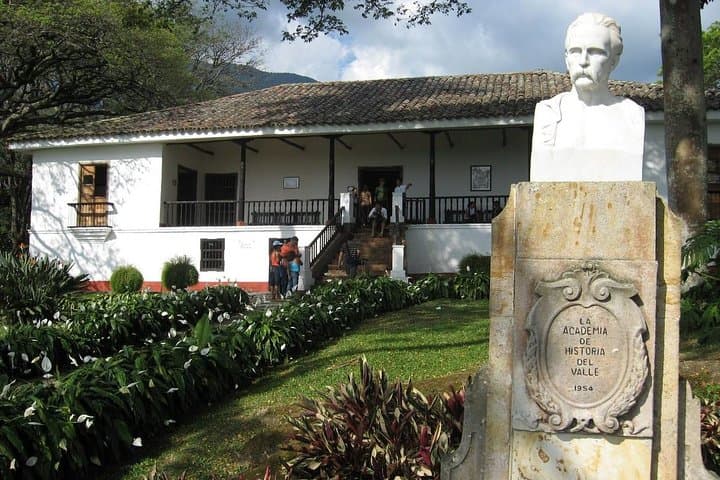
The day blends cultural history with agricultural landscape. Hacienda El Paraíso is an emblem of 19th-century hacienda life; its architecture and period rooms show how landowners lived during the height of sugarcane expansion. Nearby Piedechinche offers a compact example of colonial construction: tile roofs, carved wooden doors and a central courtyard used for family and work life. Geologically the valley is a broad alluvial plain fed by streams descending from the Western Andes, soil that has long favored sugarcane and shaped local livelihoods.
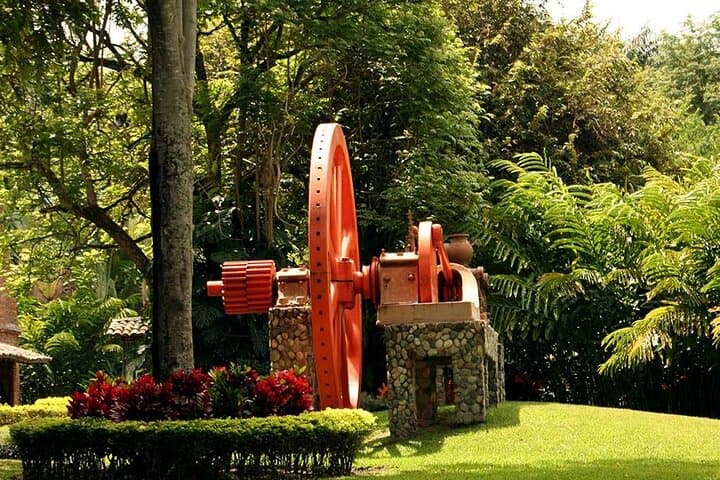
The final stop, the Sugar Cane Museum, turns industry into story — you’ll see traditional milling tools and learn regional names for rapiches and raw products. Guides link technique to culture, and the cane fields themselves seem to lean forward, daring you to learn their cycle.
Practical guidance: this is a full-day, low-impact tour with moderate walking across uneven courtyards and short field paths. Wear sturdy shoes, sun protection and bring water; expect a mix of sun and shade. Plan for an early pickup from Cali, and allow extra time for photos and the museum walkthrough. The route suits travelers who want history, hands-on learning and a clear sense of how sugarcane shaped the valley.
easy.
8 hours.
Suitable for most fitness levels; involves short walks across uneven ground and standing during museum stops.
The tour is approximately 8 hours and typically includes hotel transfers from Cali, entrance fees, a local guide and a typical regional lunch.
The itinerary is low-impact with short walks; however, some uneven surfaces and steps exist — not recommended for serious mobility limitations.
Guides commonly speak Spanish; many tours offer bilingual guides (Spanish/English) — check at booking for English-language availability.
Yes, small shops or museum stalls often sell local products like panela and artisanal items; carry cash in small denominations.
El Paraíso became emblematic after Jorge Isaacs set his 19th-century novel María there; the region’s economy historically centered on sugarcane cultivation and hacienda estates.
Visitors help sustain preservation by following site rules, avoiding flash photography in delicate rooms and supporting local enterprises that maintain the historic properties.
BM TOURS SA operates guided outdoor trips and adventures with an emphasis on safety, stewardship, and memorable experiences.
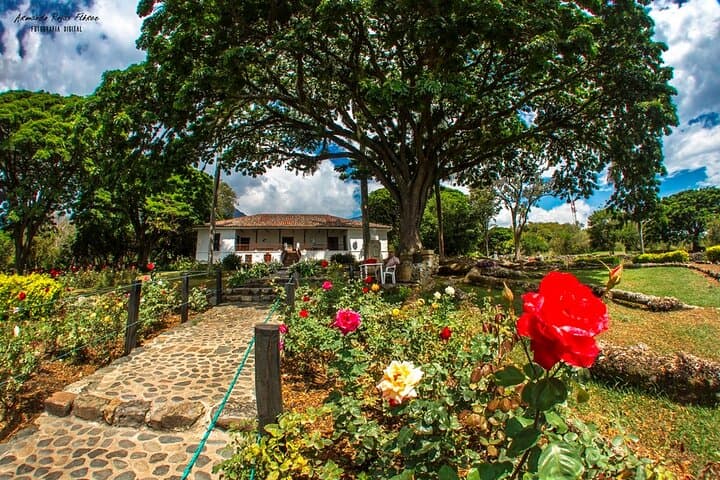
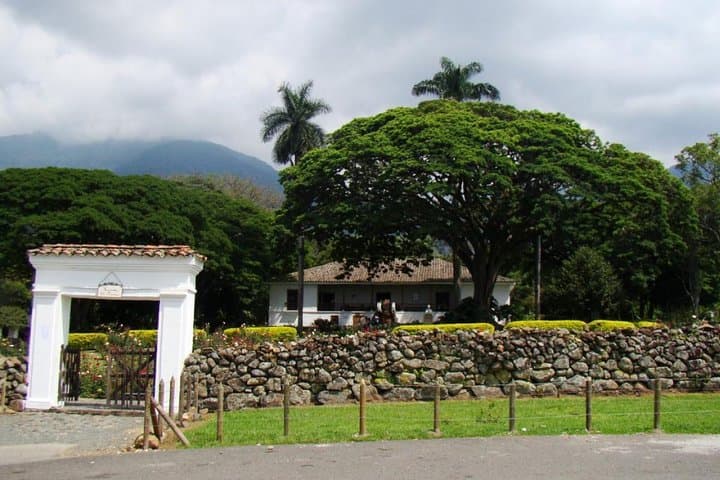
Morning light on the Valle del Cauca throws long shadows across the sugarcane, and the road from Cali opens like a ribbon toward two colonial houses that still speak of a different pace. At Hacienda El Paraíso the air carries the faint scent of roses — a reminder of the love story in Jorge Isaacs' novel María — while low stone walls and shaded patios frame views of the surrounding valley.
Morning light on the Valle del Cauca throws long shadows across the sugarcane, and the road from Cali opens like a ribbon toward two colonial houses that still speak of a different pace. At Hacienda El Paraíso the air carries the faint scent of roses — a reminder of the love story in Jorge Isaacs' novel María — while low stone walls and shaded patios frame views of the surrounding valley.
The day blends cultural history with agricultural landscape. Hacienda El Paraíso is an emblem of 19th-century hacienda life; its architecture and period rooms show how landowners lived during the height of sugarcane expansion. Nearby Piedechinche offers a compact example of colonial construction: tile roofs, carved wooden doors and a central courtyard used for family and work life. Geologically the valley is a broad alluvial plain fed by streams descending from the Western Andes, soil that has long favored sugarcane and shaped local livelihoods.
The final stop, the Sugar Cane Museum, turns industry into story — you’ll see traditional milling tools and learn regional names for rapiches and raw products. Guides link technique to culture, and the cane fields themselves seem to lean forward, daring you to learn their cycle.
Practical guidance: this is a full-day, low-impact tour with moderate walking across uneven courtyards and short field paths. Wear sturdy shoes, sun protection and bring water; expect a mix of sun and shade. Plan for an early pickup from Cali, and allow extra time for photos and the museum walkthrough. The route suits travelers who want history, hands-on learning and a clear sense of how sugarcane shaped the valley.