THE ADVENTURE COLLECTIVE® · Independent discovery and booking for outdoor travel

Ride or ride-and-ride through Haarlem’s historic center to the wind-sculpted dunes and the North Sea. This day tour blends city history, dune geology, wildlife glimpses, and a parkside picnic—ideal for travelers who want maximum coastal variety in a single day.
Ride or ride-and-ride through Haarlem’s historic center to the wind-sculpted dunes and the North Sea. This day tour blends city history, dune geology, wildlife glimpses, and a parkside picnic—ideal for travelers who want maximum coastal variety in a single day.
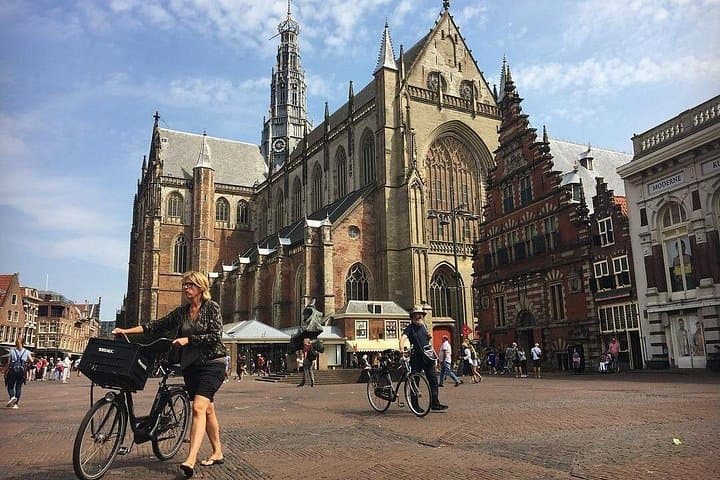
You step off the train at Haarlem Centraal and the city exhales—brick façades, the Grote Markt’s open square, and the cathedral bell still measuring time.
Verified experiences and guided adventures in the surrounding area.
Operated by Snurk.Travel · Haarlem, North Holland
You step off the train at Haarlem Centraal and the city exhales—brick façades, the Grote Markt’s open square, and the cathedral bell still measuring time.
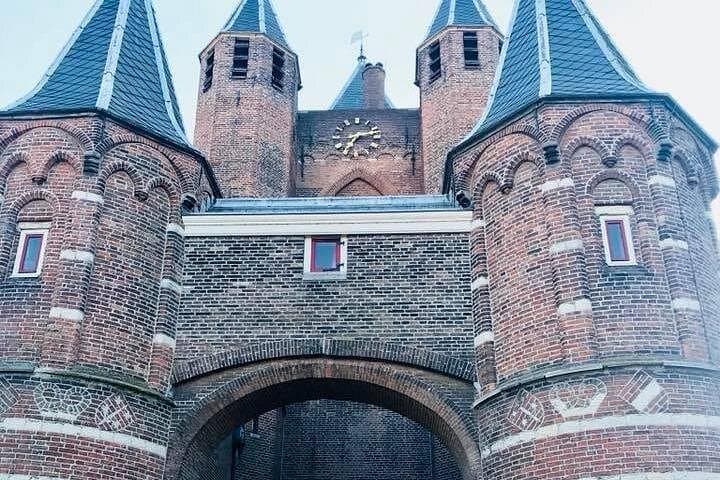
A short walk through narrow lanes brings you to hofjes and the meat guild halls where the story of Haarlem’s Golden Age is written in stone and timber. St. Bavo’s organ—where a young Mozart once played—still hints at the city’s musical past.
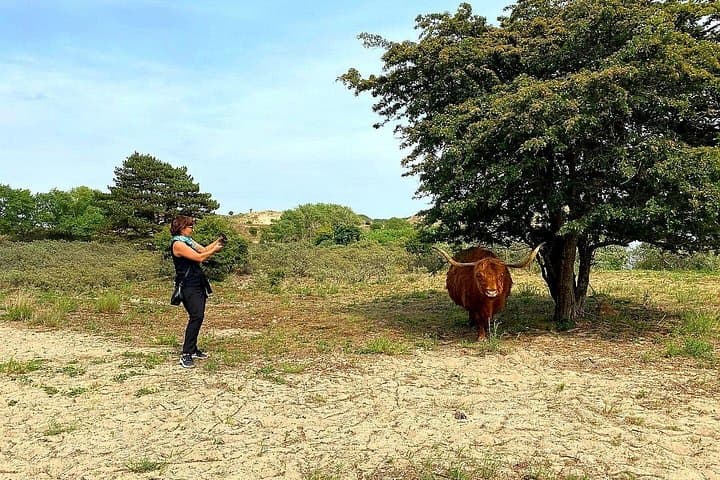
Beyond the square the landscape changes: a fringe of coastal dunes rises like a moving wall between town and sea. These dunes are young in geological terms, wind-sculpted ridges of sand and marram grass that push and settle with every storm. Grazing cattle and scrub woodland create pockets of habitat where rabbits and red foxes make their runs; in spring the dune grasses stand green and bullish against the horizon.
The tour shifts rhythmally from walking and history to cycling a well-kept network of bike paths that seem made for this exact glide toward the North Sea. Expect an 8-hour loop that mixes urban sights, a picnic in the National Park, and a final stretch down to the wide, bracing strand.
Practical note: bring layered clothing for wind and sudden sun, a refillable water bottle, and shoes that tolerate sand. If cycling isn’t your pace, the same route is accessible by local bus. Stay on marked paths in the dunes—this landscape is fragile, and simple choices keep it wild for everyone.
easy.
6–8 hours.
Basic endurance for a day of urban walking plus flat-distance cycling (roughly 20–35 km).
No—guides can tailor the trip; there’s a scenic bus alternative that follows a similar route for non-cyclists.
Depending on exact stops, expect roughly 20–35 km across the day with short walking segments in town and at viewpoints.
Yes—specialized infant seats are available and the pace is family-friendly; confirm at booking for availability.
Tours may be canceled for severe weather; light rain usually won’t cancel but dress for wind and showers and check the cancellation policy.
Haarlem was an influential trading and cultural center in the Dutch Golden Age; St. Bavo’s organ famously hosted a young Mozart in the 18th century.
The coastal dunes are part of a protected national park—stay on boardwalks where present, respect grazing areas, and pack out all waste to protect shifting dune habitats.
Snurk.Travel operates guided outdoor trips and adventures with an emphasis on safety, stewardship, and memorable experiences.
You step off the train at Haarlem Centraal and the city exhales—brick façades, the Grote Markt’s open square, and the cathedral bell still measuring time.
You step off the train at Haarlem Centraal and the city exhales—brick façades, the Grote Markt’s open square, and the cathedral bell still measuring time.
A short walk through narrow lanes brings you to hofjes and the meat guild halls where the story of Haarlem’s Golden Age is written in stone and timber. St. Bavo’s organ—where a young Mozart once played—still hints at the city’s musical past.
Beyond the square the landscape changes: a fringe of coastal dunes rises like a moving wall between town and sea. These dunes are young in geological terms, wind-sculpted ridges of sand and marram grass that push and settle with every storm. Grazing cattle and scrub woodland create pockets of habitat where rabbits and red foxes make their runs; in spring the dune grasses stand green and bullish against the horizon.
The tour shifts rhythmally from walking and history to cycling a well-kept network of bike paths that seem made for this exact glide toward the North Sea. Expect an 8-hour loop that mixes urban sights, a picnic in the National Park, and a final stretch down to the wide, bracing strand.
Practical note: bring layered clothing for wind and sudden sun, a refillable water bottle, and shoes that tolerate sand. If cycling isn’t your pace, the same route is accessible by local bus. Stay on marked paths in the dunes—this landscape is fragile, and simple choices keep it wild for everyone.