THE ADVENTURE COLLECTIVE® · Independent discovery and booking for outdoor travel

Five days of highland trekking, homestays and dizzying passes through Vietnam’s Dong Van karst plateau. Expect long village-to-village walks, dramatic limestone vistas and close encounters with ethnic minority markets and culture.
Five days of highland trekking, homestays and dizzying passes through Vietnam’s Dong Van karst plateau. Expect long village-to-village walks, dramatic limestone vistas and close encounters with ethnic minority markets and culture.
Dawn breaks over a cord of jagged limestone: clouds slip through knife-edge ridgelines while villagers tend terraced paddies that cling to impossible slopes. On this five‑day route from Ha Giang town you move slowly—on foot and by road—through the Dong Van karst plateau, where mountain passes demand respect and the air smells of wet earth and smoked pork.
Verified experiences and guided adventures in the surrounding area.
Operated by Mr Linh's Adventures · Ha Giang, Ha Giang Province
Dawn breaks over a cord of jagged limestone: clouds slip through knife-edge ridgelines while villagers tend terraced paddies that cling to impossible slopes. On this five‑day route from Ha Giang town you move slowly—on foot and by road—through the Dong Van karst plateau, where mountain passes demand respect and the air smells of wet earth and smoked pork.
The region has long been a crossroads for H’mong, Dao, Lo Lo and other groups; the Vuong family palace in Dong Van recalls early 20th‑century power dynamics and French influence, while the Ma Pi Leng corridor exposes raw carbonate geology—sheer cliffs, canyons and stone forests carved over millennia.
Culturally rich markets and small homestays punctuate long trekking days (expect 5–7 km on day 1, 13–15 km on day 2, and two 8–10 km days), with mixed terrain: farm trails, slippery forest tracks and steep switchbacks. Guides handle permits for the protected border area; carry your passport for identification. Weather shifts quickly—sun can be fierce on ridgelines and fog can close visibility in hours.
Practical notes: pack a waterproof shell, sturdy boots, 2–3 liters of water per day, and a basic first‑aid kit. Move at a steady pace on long ascents and conserve energy for optional farmwork and market visits. Nights alternate between homestays and simple hotels—expect communal meals and early bedtimes. This trek is about human landscapes as much as geology; rivers dare you to slow down, and the high passes will reward patience with wide, almost unending views.
challenging.
5 days.
Suitable for hikers with regular cardio and prior multi‑day walking experience; be prepared for consecutive 6–8 hour trekking days with some steep ascent.
Guides on organized tours typically secure any required permits for border areas; you should still carry your passport for checks and ID verification.
Nights alternate between local homestays (basic private rooms) and simple hotels in Ha Giang or Dong Van; meals are typically local, home‑cooked dishes.
While technically non‑technical, the itinerary includes consecutive long days (13–15 km one day) and steep terrain—beginner hikers should prepare with prior multi‑hour hikes and discuss fitness with the operator.
Spring and fall offer the most stable conditions; summers bring heavy rains and slippery trails, winters can be cold at higher elevations—see seasonal tips for specifics.
The Dong Van region contains remote H’mong and Dao communities and sites like the Vuong family palace, built in the early 1900s by a local leader who combined local and colonial influences.
The karst plateau is ecologically fragile; stick to trails, avoid single‑use plastics, and choose homestays that employ local people to help keep tourism benefits in the community.
Mr Linh's Adventures operates guided outdoor trips and adventures with an emphasis on safety, stewardship, and memorable experiences.
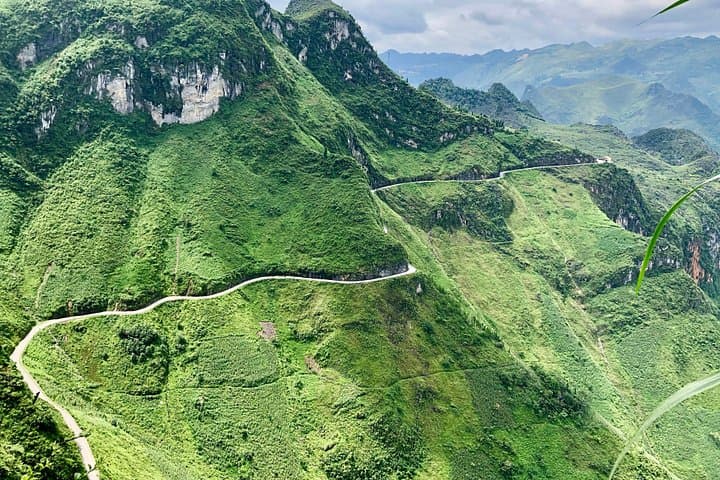
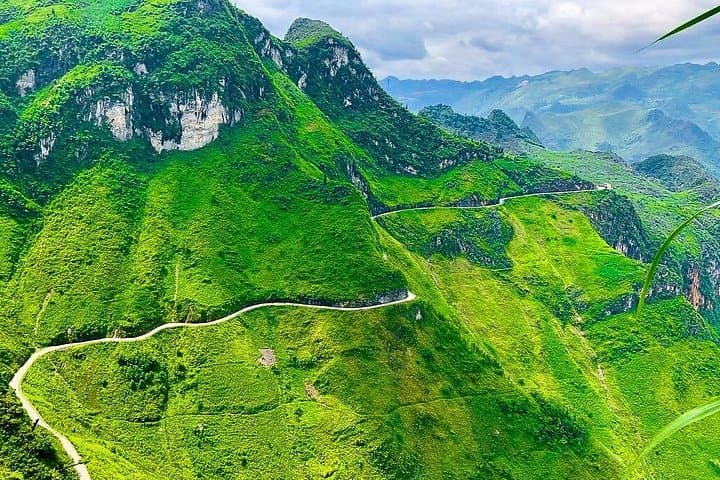
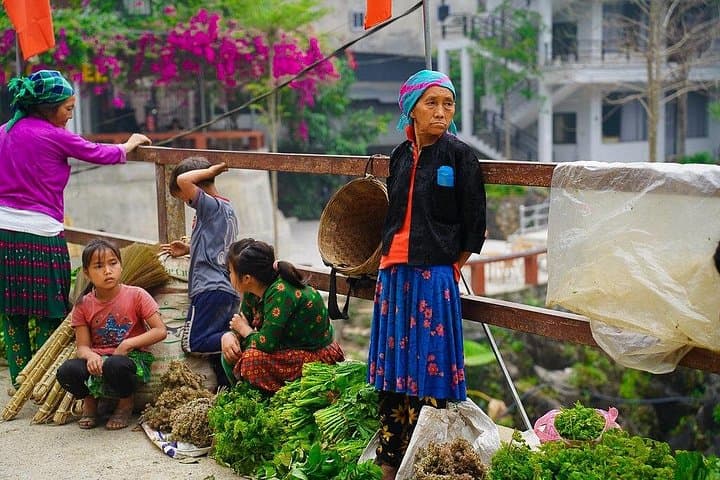
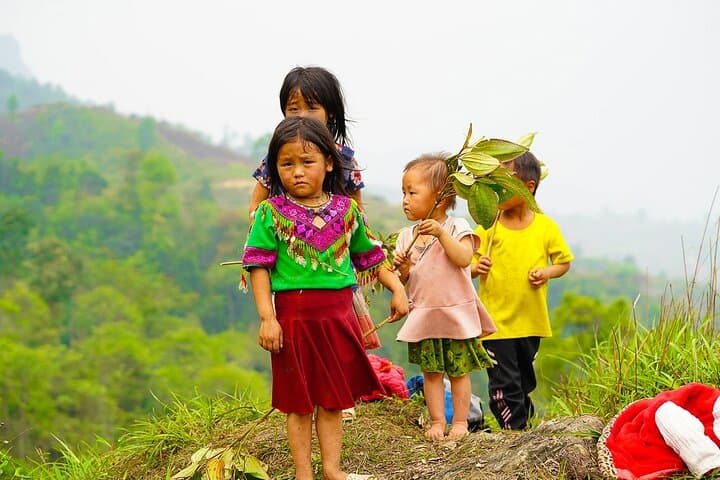
Dawn breaks over a cord of jagged limestone: clouds slip through knife-edge ridgelines while villagers tend terraced paddies that cling to impossible slopes. On this five‑day route from Ha Giang town you move slowly—on foot and by road—through the Dong Van karst plateau, where mountain passes demand respect and the air smells of wet earth and smoked pork.
Dawn breaks over a cord of jagged limestone: clouds slip through knife-edge ridgelines while villagers tend terraced paddies that cling to impossible slopes. On this five‑day route from Ha Giang town you move slowly—on foot and by road—through the Dong Van karst plateau, where mountain passes demand respect and the air smells of wet earth and smoked pork.
The region has long been a crossroads for H’mong, Dao, Lo Lo and other groups; the Vuong family palace in Dong Van recalls early 20th‑century power dynamics and French influence, while the Ma Pi Leng corridor exposes raw carbonate geology—sheer cliffs, canyons and stone forests carved over millennia.
Culturally rich markets and small homestays punctuate long trekking days (expect 5–7 km on day 1, 13–15 km on day 2, and two 8–10 km days), with mixed terrain: farm trails, slippery forest tracks and steep switchbacks. Guides handle permits for the protected border area; carry your passport for identification. Weather shifts quickly—sun can be fierce on ridgelines and fog can close visibility in hours.
Practical notes: pack a waterproof shell, sturdy boots, 2–3 liters of water per day, and a basic first‑aid kit. Move at a steady pace on long ascents and conserve energy for optional farmwork and market visits. Nights alternate between homestays and simple hotels—expect communal meals and early bedtimes. This trek is about human landscapes as much as geology; rivers dare you to slow down, and the high passes will reward patience with wide, almost unending views.