THE ADVENTURE COLLECTIVE® · Independent discovery and booking for outdoor travel

Ride the Ha Giang loop to Bản Giốc in four days: high mountain passes, ethnic villages and a dramatic cross-border waterfall. This guided motorcycle tour combines challenging switchbacks, cultural stops, and geological spectacle for experienced riders.
Ride the Ha Giang loop to Bản Giốc in four days: high mountain passes, ethnic villages and a dramatic cross-border waterfall. This guided motorcycle tour combines challenging switchbacks, cultural stops, and geological spectacle for experienced riders.
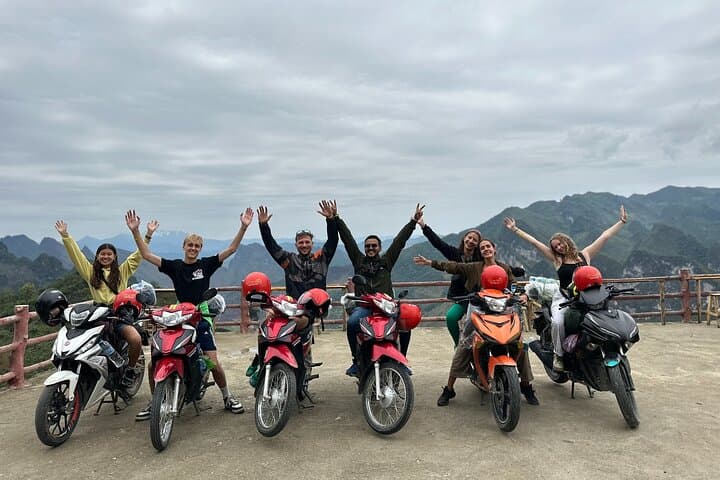
Dawn finds the rider on a cold sleeper bus arriving in Ha Giang city; by midmorning the engine thumps underfoot and the road unfurls—hairpin after hairpin—up through Bac Sum and Quan Ba Heaven Gate. Wind pushes through textile layers, limestone cliffs loom, and the Nho Que river dares you from deep below. Over four days the trip moves from Dong Van’s plateaus to the emerald plunge of Bản Giốc, alternating steep passes with quiet villages.
Verified experiences and guided adventures in the surrounding area.
Operated by Authentic Travel Ho Chi Minh · Ha Giang, Ha Giang Province
Dawn finds the rider on a cold sleeper bus arriving in Ha Giang city; by midmorning the engine thumps underfoot and the road unfurls—hairpin after hairpin—up through Bac Sum and Quan Ba Heaven Gate. Wind pushes through textile layers, limestone cliffs loom, and the Nho Que river dares you from deep below. Over four days the trip moves from Dong Van’s plateaus to the emerald plunge of Bản Giốc, alternating steep passes with quiet villages.
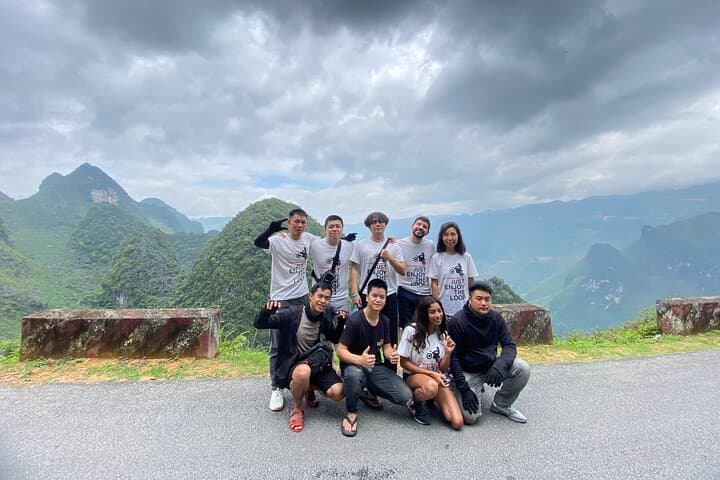
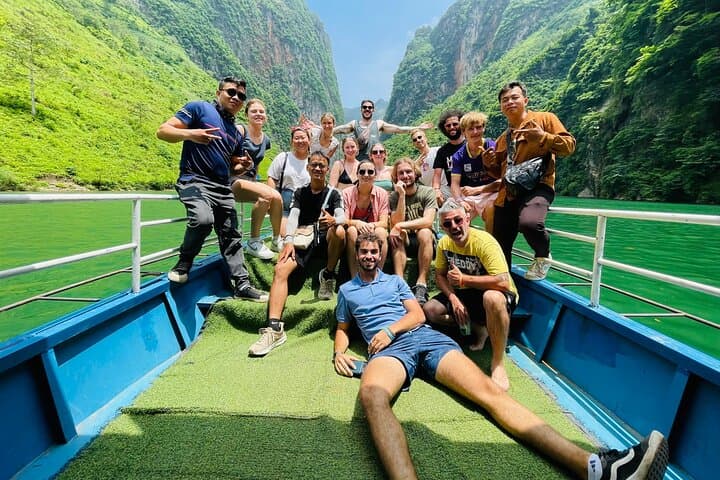
Geology here is sharp: the Dong Van Karst Plateau is a maze of weathered limestone towers carved over millions of years. Culturally the route threads Hmong, Lo Lo, and Tay hamlets where stilt houses and buckwheat fields mark seasonal rhythms; Vuong Palace and Pác Bó tie the landscape to 20th‑century Vietnamese history. Ban Gioc itself sits on a transboundary river, where cascades tumble over limestone terraces into misty pools.
Practical guidance: riders should expect single‑track village roads, paved but often narrow and occasionally gravel-swept; elevation varies from roughly 300 m in valleys to over 1,500 m on passes. Pack for temperature swings, bring a high‑quality helmet (provided by some operators), and plan for early starts to avoid midday winds and tourist congestion at viewpoints like Ma Pi Leng.
Timing matters—spring and autumn offer clearer skies, while summer brings heavier rain that can make passes slick. Respect local customs in villages, carry cash for small purchases, and allow buffer time for photo stops and unexpected road conditions; the route rewards patience with some of northern Vietnam’s most uncompromising scenery.
challenging.
4 days.
Riders should have good balance and endurance for long days on a motorcycle and be comfortable with mountain riding.
Yes—participants should hold a valid motorcycle license appropriate for the bike supplied and be prepared to show it before riding.
Operators often supply helmets, but many riders bring their own full‑face helmets for fit and comfort; verify with the company ahead of time.
Passes feature tight hairpins and steep grades; paved but sometimes uneven surfaces make them challenging for inexperienced riders.
Some companies offer pillion seats or a support vehicle option—ask during booking if you prefer not to ride yourself.
The route crosses regions long inhabited by Hmong and other highland peoples; Pác Bó is a noted historical site linked to Hồ Chí Minh's return in 1941.
The karst plateau is sensitive to over‑tourism and litter—stick to trails, avoid single‑use plastics, and respect riverbanks to protect fragile limestone ecosystems.
Authentic Travel Ho Chi Minh operates guided outdoor trips and adventures with an emphasis on safety, stewardship, and memorable experiences.

Dawn finds the rider on a cold sleeper bus arriving in Ha Giang city; by midmorning the engine thumps underfoot and the road unfurls—hairpin after hairpin—up through Bac Sum and Quan Ba Heaven Gate. Wind pushes through textile layers, limestone cliffs loom, and the Nho Que river dares you from deep below. Over four days the trip moves from Dong Van’s plateaus to the emerald plunge of Bản Giốc, alternating steep passes with quiet villages.
Dawn finds the rider on a cold sleeper bus arriving in Ha Giang city; by midmorning the engine thumps underfoot and the road unfurls—hairpin after hairpin—up through Bac Sum and Quan Ba Heaven Gate. Wind pushes through textile layers, limestone cliffs loom, and the Nho Que river dares you from deep below. Over four days the trip moves from Dong Van’s plateaus to the emerald plunge of Bản Giốc, alternating steep passes with quiet villages.
Geology here is sharp: the Dong Van Karst Plateau is a maze of weathered limestone towers carved over millions of years. Culturally the route threads Hmong, Lo Lo, and Tay hamlets where stilt houses and buckwheat fields mark seasonal rhythms; Vuong Palace and Pác Bó tie the landscape to 20th‑century Vietnamese history. Ban Gioc itself sits on a transboundary river, where cascades tumble over limestone terraces into misty pools.
Practical guidance: riders should expect single‑track village roads, paved but often narrow and occasionally gravel-swept; elevation varies from roughly 300 m in valleys to over 1,500 m on passes. Pack for temperature swings, bring a high‑quality helmet (provided by some operators), and plan for early starts to avoid midday winds and tourist congestion at viewpoints like Ma Pi Leng.
Timing matters—spring and autumn offer clearer skies, while summer brings heavier rain that can make passes slick. Respect local customs in villages, carry cash for small purchases, and allow buffer time for photo stops and unexpected road conditions; the route rewards patience with some of northern Vietnam’s most uncompromising scenery.