THE ADVENTURE COLLECTIVE® · Independent discovery and booking for outdoor travel

A five-day private loop from Ha Giang city across the Dong Van Karst Plateau to Ba Be Lake, mixing mountain passes, ethnic markets and a calm motorboat on a green lake. Expect long drives, short hikes, homestays and dramatic limestone panoramas.
A five-day private loop from Ha Giang city across the Dong Van Karst Plateau to Ba Be Lake, mixing mountain passes, ethnic markets and a calm motorboat on a green lake. Expect long drives, short hikes, homestays and dramatic limestone panoramas.
You step out of the air-conditioned shuttle and the highland wind cuts across the pass, carrying the smell of wet limestone and pine. Switchbacks fold beneath the engine’s hum as the road climbs toward Ma Pi Leng; the Nho Que River threads the valley below like a dark ribbon daring you to follow. Villagers in indigo and embroidered caps move through open-air markets; dogs and chickens keep the rhythm of small towns alive.
Verified experiences and guided adventures in the surrounding area.
Operated by Vitawell Travel · Ha Giang, Ha Giang
You step out of the air-conditioned shuttle and the highland wind cuts across the pass, carrying the smell of wet limestone and pine. Switchbacks fold beneath the engine’s hum as the road climbs toward Ma Pi Leng; the Nho Que River threads the valley below like a dark ribbon daring you to follow. Villagers in indigo and embroidered caps move through open-air markets; dogs and chickens keep the rhythm of small towns alive.
The route traces the Dong Van Karst Plateau Global Geopark — an ancient sea bed uplifted and cracked into dramatic limestone towers and plateaus. The Vuong family palace in Đồng Văn recalls the H’mong elite who once governed these highlands; Lung Cu flagpole stakes Vietnam’s northern edges above terraced fields. Geology and culture meet in the stony ridgelines and market days where trade and ritual remain unchanged.
Practically, expect long drives between highlights, several short hikes and a day on Ba Be Lake by motorboat. Roads are steep and narrow; mornings are best for clear views and photos. Homestays are basic but authentic — bring layers, cash, and a sense of patience. Footwear with grip matters for the cannon fort ascent and uneven village trails. Hydrate at every stop: altitude is mild but the sun on exposed passes can be strong.
This itinerary favors curious travelers who want cultural immersion and dramatic landscapes without technical climbing. Respect local customs, keep waste to a minimum, and allow extra time for photography: the plateau doesn’t rush its scenery.
moderate.
5 days.
Good general fitness for multi-day travel, short hikes with uneven terrain and several hours in vehicles is required
The tour involves long drives, short hikes and some steep viewpoints; a moderate fitness level is recommended but no technical climbing skills are required.
Accommodation is in local homestays offering basic but comfortable rooms and home-cooked meals that showcase ethnic cuisine.
Roads are winding and some sections are steep; bring motion-sickness medication if you are prone to car sickness and choose a front-seat position if possible.
Spring and autumn offer the most stable weather and clear views; winter can be cold with fog and summer brings heavy rains that may affect visibility.
This region sits on the Dong Van Karst Plateau, a geological uplift with a long history of H’Mong and other hill-tribe settlements; the Vuong family palace dates to the 19th century.
The Karst Plateau and Ba Be area are sensitive ecosystems; stick to trails, avoid single-use plastics and support local homestays to benefit communities.
Vitawell Travel operates guided outdoor trips and adventures with an emphasis on safety, stewardship, and memorable experiences.


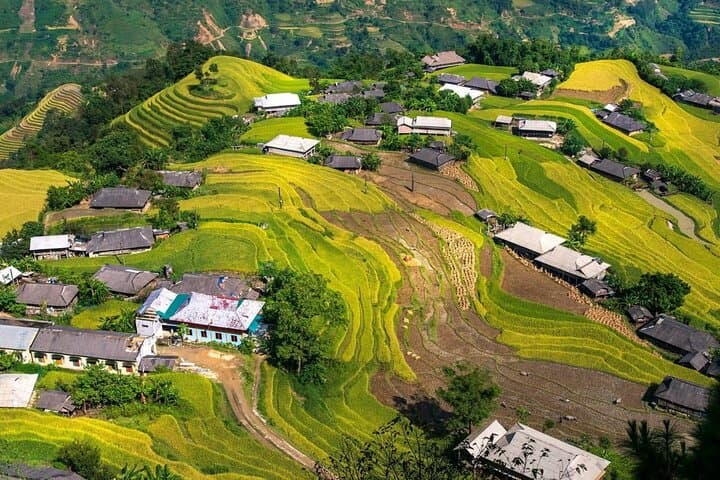

You step out of the air-conditioned shuttle and the highland wind cuts across the pass, carrying the smell of wet limestone and pine. Switchbacks fold beneath the engine’s hum as the road climbs toward Ma Pi Leng; the Nho Que River threads the valley below like a dark ribbon daring you to follow. Villagers in indigo and embroidered caps move through open-air markets; dogs and chickens keep the rhythm of small towns alive.
You step out of the air-conditioned shuttle and the highland wind cuts across the pass, carrying the smell of wet limestone and pine. Switchbacks fold beneath the engine’s hum as the road climbs toward Ma Pi Leng; the Nho Que River threads the valley below like a dark ribbon daring you to follow. Villagers in indigo and embroidered caps move through open-air markets; dogs and chickens keep the rhythm of small towns alive.
The route traces the Dong Van Karst Plateau Global Geopark — an ancient sea bed uplifted and cracked into dramatic limestone towers and plateaus. The Vuong family palace in Đồng Văn recalls the H’mong elite who once governed these highlands; Lung Cu flagpole stakes Vietnam’s northern edges above terraced fields. Geology and culture meet in the stony ridgelines and market days where trade and ritual remain unchanged.
Practically, expect long drives between highlights, several short hikes and a day on Ba Be Lake by motorboat. Roads are steep and narrow; mornings are best for clear views and photos. Homestays are basic but authentic — bring layers, cash, and a sense of patience. Footwear with grip matters for the cannon fort ascent and uneven village trails. Hydrate at every stop: altitude is mild but the sun on exposed passes can be strong.
This itinerary favors curious travelers who want cultural immersion and dramatic landscapes without technical climbing. Respect local customs, keep waste to a minimum, and allow extra time for photography: the plateau doesn’t rush its scenery.