THE ADVENTURE COLLECTIVE® · Independent discovery and booking for outdoor travel

Ride the Ha Giang Loop from Hanoi and cross high ridgelines, deep river canyons, and ethnic hill towns. This 3-night, 2-day motorbike tour covers the key highlights—Quan Ba, Dong Van and the Ma Pi Leng pass—while offering practical tips for riders of varying experience.
Ride the Ha Giang Loop from Hanoi and cross high ridgelines, deep river canyons, and ethnic hill towns. This 3-night, 2-day motorbike tour covers the key highlights—Quan Ba, Dong Van and the Ma Pi Leng pass—while offering practical tips for riders of varying experience.
A cold dawn in Hanoi, and the sleeper bus hums away toward the high limestone plates of Hà Giang. By late afternoon the air thins, terraced fields slide past, and the road begins to climb—hairpins and sheer drops framing a landscape that seems to dare riders to keep watching.
Verified experiences and guided adventures in the surrounding area.
Operated by Local Tours ASIA · Ha Giang, Ha Giang Province
A cold dawn in Hanoi, and the sleeper bus hums away toward the high limestone plates of Hà Giang. By late afternoon the air thins, terraced fields slide past, and the road begins to climb—hairpins and sheer drops framing a landscape that seems to dare riders to keep watching.
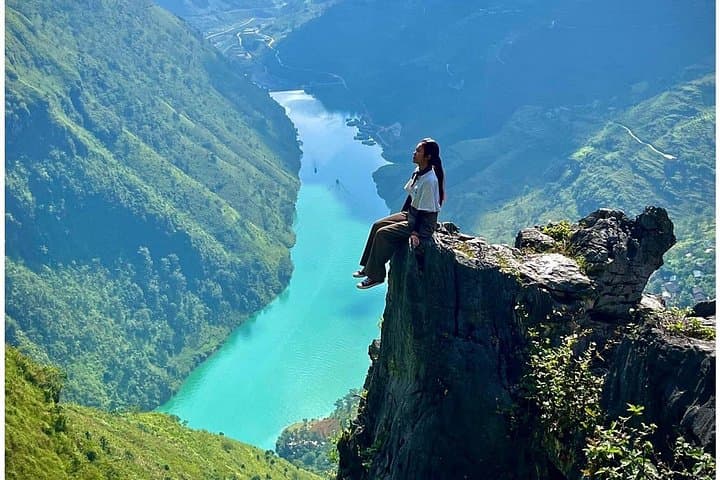
This loop threads through the Dong Van Karst Plateau Geopark, a region of exposed limestone folded and milled over millions of years into cliffs, canyons and isolated karst towers. Quan Ba’s Heaven Gate perches near 1,500 m, while Ma Pi Leng pushes the pass toward 2,000 m, offering views down into the Nho Que River canyon carved like a blade through rock. Ethnic Hmong, Tay and Dao villages line valley floors; traditional houses and markets retain a slow, communal rhythm that contrasts with the rush of switchbacks.
Expect roughly 300–350 km of riding across two active days on mountainous, often narrow paved roads with occasional gravel shoulders. The experience alternates fast-open stretches and technical climbs; an Easy Rider driver is available for less experienced riders. Bring layered clothing for rapid temperature shifts, sturdy shoes for short village walks, and a small daypack for water and snacks.
Practical planning pays: start early to avoid afternoon cloud and fog on the pass, allow time in Dong Van and Meo Vac for short hikes and river viewpoints, and be prepared for long saddle hours. The loop rewards patience—roads coax you forward, the river below pushes your gaze downstream, and the plateau keeps giving new angles until the bus takes you home to Hanoi.
challenging.
3 days (approx. 72 hours).
Comfortable sitting for long periods and able to handle motorcycle motion; moderate walking ability for village stops.
No — an Easy Rider driver is offered for those who prefer to ride pillion; if you choose to ride yourself, basic motorcycle experience is recommended.
Daily riding varies but plan for several hours each day; the full loop covers roughly 300–350 km over the tour’s active days with long transfers by sleeper bus.
Most main routes are paved but narrow with sharp turns and occasional gravel; inexperienced riders should use the Easy Rider option or choose the car transfer alternative.
Best months are spring and autumn for clearer skies; winters can be cold with fog while summer brings sudden heavy rain, affecting visibility and road traction.
The Dong Van karst plateau has supported highland cultures for centuries and was recognized for its geological importance as part of a geopark spanning multiple districts.
Rising tourism places pressure on village waste and fragile karst ecosystems; travel with a local operator that follows leave‑no‑trace practices and supports community stays.
Local Tours ASIA operates guided outdoor trips and adventures with an emphasis on safety, stewardship, and memorable experiences.
A cold dawn in Hanoi, and the sleeper bus hums away toward the high limestone plates of Hà Giang. By late afternoon the air thins, terraced fields slide past, and the road begins to climb—hairpins and sheer drops framing a landscape that seems to dare riders to keep watching.
A cold dawn in Hanoi, and the sleeper bus hums away toward the high limestone plates of Hà Giang. By late afternoon the air thins, terraced fields slide past, and the road begins to climb—hairpins and sheer drops framing a landscape that seems to dare riders to keep watching.
This loop threads through the Dong Van Karst Plateau Geopark, a region of exposed limestone folded and milled over millions of years into cliffs, canyons and isolated karst towers. Quan Ba’s Heaven Gate perches near 1,500 m, while Ma Pi Leng pushes the pass toward 2,000 m, offering views down into the Nho Que River canyon carved like a blade through rock. Ethnic Hmong, Tay and Dao villages line valley floors; traditional houses and markets retain a slow, communal rhythm that contrasts with the rush of switchbacks.
Expect roughly 300–350 km of riding across two active days on mountainous, often narrow paved roads with occasional gravel shoulders. The experience alternates fast-open stretches and technical climbs; an Easy Rider driver is available for less experienced riders. Bring layered clothing for rapid temperature shifts, sturdy shoes for short village walks, and a small daypack for water and snacks.
Practical planning pays: start early to avoid afternoon cloud and fog on the pass, allow time in Dong Van and Meo Vac for short hikes and river viewpoints, and be prepared for long saddle hours. The loop rewards patience—roads coax you forward, the river below pushes your gaze downstream, and the plateau keeps giving new angles until the bus takes you home to Hanoi.