THE ADVENTURE COLLECTIVE® · Independent discovery and booking for outdoor travel

Wake on a sleeping bus in Hanoi and step into raw mountain scenery: the Ha Giang Loop delivers hairpin passes, ethnic villages, and the vertiginous Ma Pi Leng viewpoint. This 2–3 day motorbike route is scenic, technically demanding, and rich in local culture.
Wake on a sleeping bus in Hanoi and step into raw mountain scenery: the Ha Giang Loop delivers hairpin passes, ethnic villages, and the vertiginous Ma Pi Leng viewpoint. This 2–3 day motorbike route is scenic, technically demanding, and rich in local culture.
Morning in Hanoi feels like a held breath before the road — you board a sleeping bus and wake to mountain air, switch to a rumbling motorbike or shuttle van, and the narrow ribbon of the Ha Giang Loop unspools ahead.
Verified experiences and guided adventures in the surrounding area.
Operated by Authentic HA GIANG · Ha Giang, Ha Giang Province
Morning in Hanoi feels like a held breath before the road — you board a sleeping bus and wake to mountain air, switch to a rumbling motorbike or shuttle van, and the narrow ribbon of the Ha Giang Loop unspools ahead.
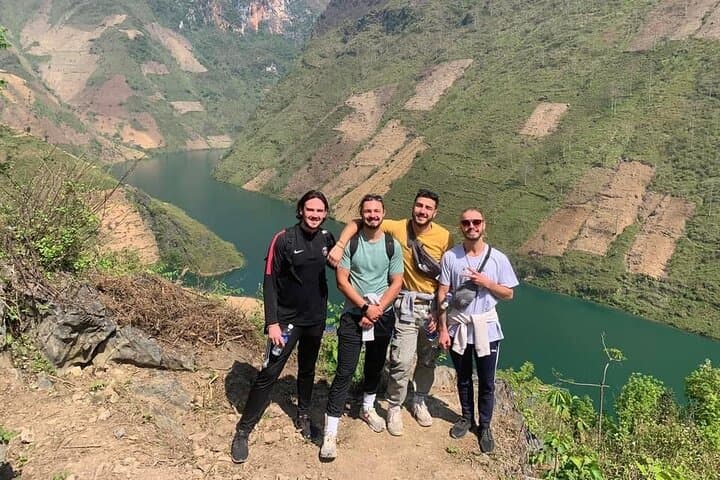
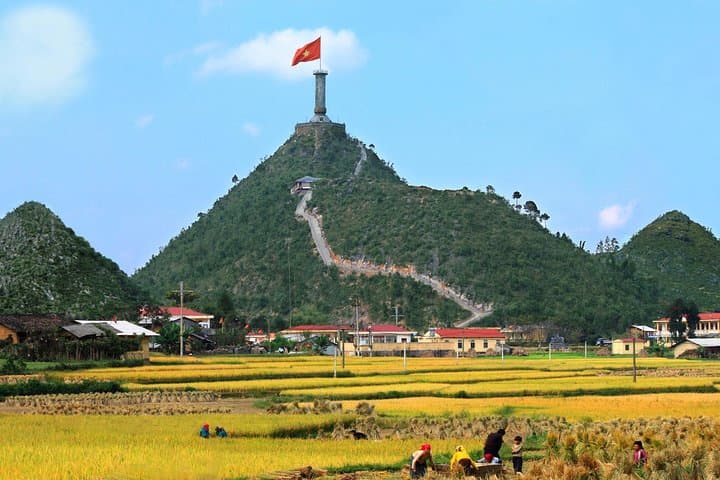
The loop threads through the Dong Van Karst Plateau, where limestone towers and steep canyons were carved by millennia of weather. The route crosses Quan Ba’s twin-peaked Heaven Gate, winds through Tam Giac Mach buckwheat fields, and crests the Ma Pi Leng Pass, where the Nho Que River dares you to look down into Tu San canyon.
This region is home to H’Mong, Dao and Tay communities; villages, the Vuong family mansion and scattered markets speak to a layered history of ethnic life and colonial-era influence. Roads are narrow, often patched, and weather can flip from sun to fog in an hour — conditions that shape both the scenery and the pace.
Practical guidance: choose the motorbike option only if you’re comfortable on steep, variable mountain roads; otherwise book the bus transfer option. Plan for early starts, hydrate frequently, and carry cash — remote villages rarely accept cards. Helmets are provided with the motorbike option but bring sturdy footwear and layered clothing for cold mornings and sudden rain. Expect two nights in simple guesthouses or homestays and one night on the sleeper bus; keep valuables secured and phone power banks charged — signal drops frequently on the plateau.
Ride defensively, stop often for views, and give extra time for local markets and unexpected photo stops — the loop rewards patience as much as speed.
challenging.
2–3 days.
Moderate fitness for long days in the saddle and short on-foot explorations; good balance and core strength help for motorbike control.
Yes — if you choose the motorbike option you should have a valid license appropriate for the bike; operators may ask about experience before confirming.
You can, but heavy rain reduces visibility and makes passes slippery; operators may adjust the route or recommend the bus option if conditions are unsafe.
Yes — the tour includes one night in Dong Van (guesthouse/homestay) and other basic overnight arrangements, plus sleeper bus transfers to and from Hanoi as listed.
Generally yes — tours run with guides/drivers and groups; solo riders should communicate experience level and follow local guidance on road conditions.
The Dong Van Plateau hosts long-settled H’Mong and Dao communities; the Vuong family mansion illustrates local leadership shaped during French colonial times.
The karst plateau is ecologically sensitive — stick to marked roads, avoid littering, and support local homestays to benefit communities while minimizing footprint.
Authentic HA GIANG operates guided outdoor trips and adventures with an emphasis on safety, stewardship, and memorable experiences.

Morning in Hanoi feels like a held breath before the road — you board a sleeping bus and wake to mountain air, switch to a rumbling motorbike or shuttle van, and the narrow ribbon of the Ha Giang Loop unspools ahead.
Morning in Hanoi feels like a held breath before the road — you board a sleeping bus and wake to mountain air, switch to a rumbling motorbike or shuttle van, and the narrow ribbon of the Ha Giang Loop unspools ahead.
The loop threads through the Dong Van Karst Plateau, where limestone towers and steep canyons were carved by millennia of weather. The route crosses Quan Ba’s twin-peaked Heaven Gate, winds through Tam Giac Mach buckwheat fields, and crests the Ma Pi Leng Pass, where the Nho Que River dares you to look down into Tu San canyon.
This region is home to H’Mong, Dao and Tay communities; villages, the Vuong family mansion and scattered markets speak to a layered history of ethnic life and colonial-era influence. Roads are narrow, often patched, and weather can flip from sun to fog in an hour — conditions that shape both the scenery and the pace.
Practical guidance: choose the motorbike option only if you’re comfortable on steep, variable mountain roads; otherwise book the bus transfer option. Plan for early starts, hydrate frequently, and carry cash — remote villages rarely accept cards. Helmets are provided with the motorbike option but bring sturdy footwear and layered clothing for cold mornings and sudden rain. Expect two nights in simple guesthouses or homestays and one night on the sleeper bus; keep valuables secured and phone power banks charged — signal drops frequently on the plateau.
Ride defensively, stop often for views, and give extra time for local markets and unexpected photo stops — the loop rewards patience as much as speed.