THE ADVENTURE COLLECTIVE® · Independent discovery and booking for outdoor travel

A fast-moving three-day motorbike circuit that tackles Ma Pi Leng Pass, the Nho Que River gorge and ethnic highland villages. Expect steep switchbacks, karst panoramas and homestays along roughly 300–350 km of mountain road.
A fast-moving three-day motorbike circuit that tackles Ma Pi Leng Pass, the Nho Que River gorge and ethnic highland villages. Expect steep switchbacks, karst panoramas and homestays along roughly 300–350 km of mountain road.
The first breath of the Ha Giang loop is cold and sharp — mountain air cutting through headlights as the sleeper bus unloads on a pre-dawn street. By mid-morning you’re on two wheels or riding shotgun, the road folding into hairpins that climb toward Quan Ba Heaven Gate and, later, the spine-dropping Ma Pi Leng Pass where the Nho Que River dares you to look down.
Verified experiences and guided adventures in the surrounding area.
Operated by Asia Green Travel · Ha Giang City, Ha Giang Province
The first breath of the Ha Giang loop is cold and sharp — mountain air cutting through headlights as the sleeper bus unloads on a pre-dawn street. By mid-morning you’re on two wheels or riding shotgun, the road folding into hairpins that climb toward Quan Ba Heaven Gate and, later, the spine-dropping Ma Pi Leng Pass where the Nho Que River dares you to look down.
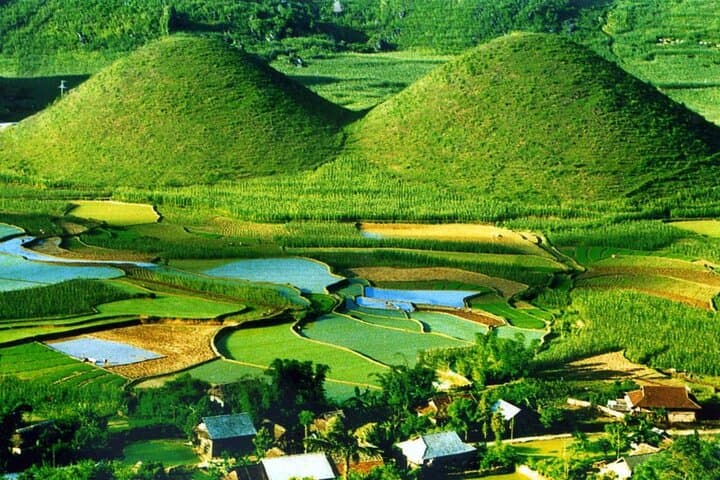
This three-day circuit threads the Dong Van Karst Plateau, a limestone landscape shaped over millions of years into cliffs, pinnacles and deep gorges. The route is as cultural as it is geological: Hmong, Dao and Tay communities live in stone-built towns and highland farms. Historic sites like the Hmong King’s Palace in Dong Van recall early 20th-century local power, while weekend markets are living galleries of dress, barter and food.
Expect roughly 300–350 km of riding over paved and occasionally rough surfaced mountain roads, with passes reaching around 2,000 m. Days balance riding with short walks, viewpoints, and a possible kayak or boat trip on the turquoise Nho Que.
Practical guidance: plan fuel and daylight — many stretches are remote and mobile signal is intermittent. Bring layered outerwear for rapid temperature swings, a reliable helmet and gloves, and waterproofs for sudden tropical rain. If you’re not confident on a bike, opt for an ‘easy rider’ guide or shared motorbike service. Respect homestay etiquette, carry small-denomination cash, and allow flexibility — weather and road conditions shape the best memories here.
moderate.
3 days.
Moderate fitness for multi-hour riding days and short hikes; be comfortable climbing stairs and walking uneven ground.
Basic motorbike experience is recommended; if you lack confidence, book the ‘easy rider’ option where a local driver handles the bike.
September–November and March–May are most comfortable for dry weather and clearer views; summer brings heavy rain and limited visibility.
Much of the loop crosses sparsely populated highlands — fuel, ATM and phone signal can be intermittent, so carry cash and plan refuels.
Homestays typically serve freshly prepared local food; if you have dietary restrictions, notify the operator in advance and carry any essentials.
The Dong Van Karst Plateau has long been home to Hmong, Dao and Tay communities; the Hmong King’s Palace in Sa Phin (early 20th century) reflects local governance and cross-cultural building influences.
The karst plateau is vulnerable to erosion and litter; stick to established paths, avoid single-use plastics, and support homestays that follow low-impact practices.
Asia Green Travel operates guided outdoor trips and adventures with an emphasis on safety, stewardship, and memorable experiences.
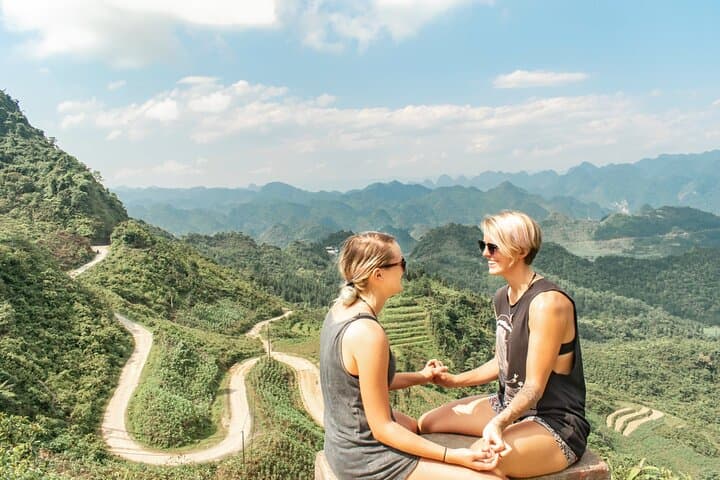
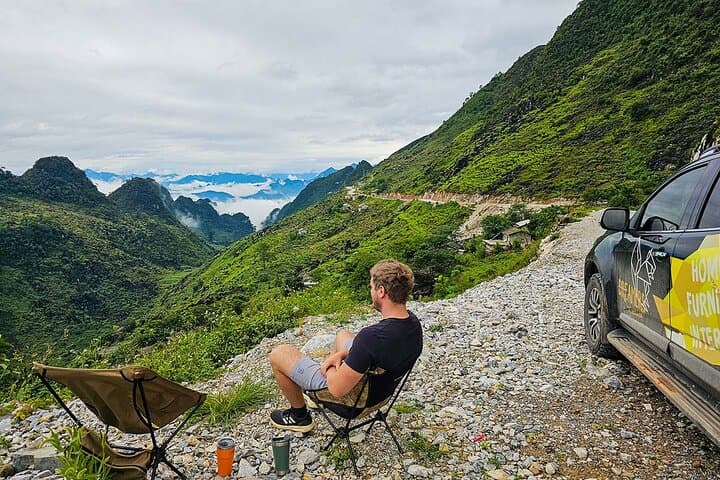
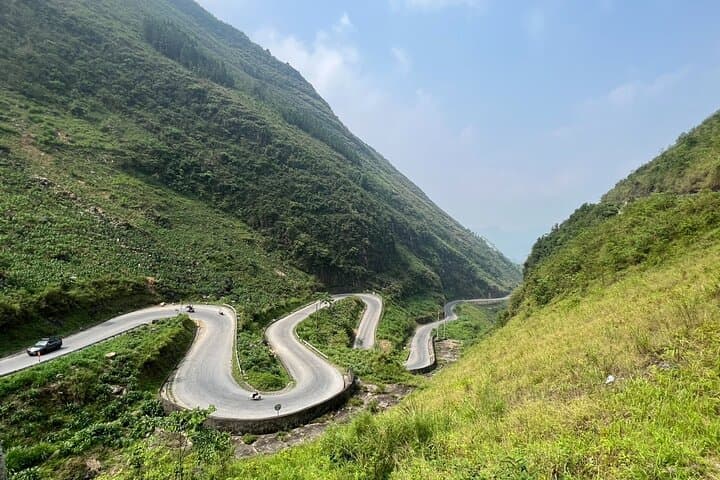
The first breath of the Ha Giang loop is cold and sharp — mountain air cutting through headlights as the sleeper bus unloads on a pre-dawn street. By mid-morning you’re on two wheels or riding shotgun, the road folding into hairpins that climb toward Quan Ba Heaven Gate and, later, the spine-dropping Ma Pi Leng Pass where the Nho Que River dares you to look down.
The first breath of the Ha Giang loop is cold and sharp — mountain air cutting through headlights as the sleeper bus unloads on a pre-dawn street. By mid-morning you’re on two wheels or riding shotgun, the road folding into hairpins that climb toward Quan Ba Heaven Gate and, later, the spine-dropping Ma Pi Leng Pass where the Nho Que River dares you to look down.
This three-day circuit threads the Dong Van Karst Plateau, a limestone landscape shaped over millions of years into cliffs, pinnacles and deep gorges. The route is as cultural as it is geological: Hmong, Dao and Tay communities live in stone-built towns and highland farms. Historic sites like the Hmong King’s Palace in Dong Van recall early 20th-century local power, while weekend markets are living galleries of dress, barter and food.
Expect roughly 300–350 km of riding over paved and occasionally rough surfaced mountain roads, with passes reaching around 2,000 m. Days balance riding with short walks, viewpoints, and a possible kayak or boat trip on the turquoise Nho Que.
Practical guidance: plan fuel and daylight — many stretches are remote and mobile signal is intermittent. Bring layered outerwear for rapid temperature swings, a reliable helmet and gloves, and waterproofs for sudden tropical rain. If you’re not confident on a bike, opt for an ‘easy rider’ guide or shared motorbike service. Respect homestay etiquette, carry small-denomination cash, and allow flexibility — weather and road conditions shape the best memories here.