THE ADVENTURE COLLECTIVE® · Independent discovery and booking for outdoor travel

Trade the crowded loop for a slow, four-day motorbike journey across the Dong Van Karst Plateau. Hike the White Cliff ridge, boat into Phong Luu Gorge, and spend evenings in remote H’Mong and Dao homestays.
Trade the crowded loop for a slow, four-day motorbike journey across the Dong Van Karst Plateau. Hike the White Cliff ridge, boat into Phong Luu Gorge, and spend evenings in remote H’Mong and Dao homestays.
A low sun pours along the ridgelines as a small convoy of easy-rider motorbikes snakes out of Ha Giang toward Dong Van—road dust rising like a promise. Riders settle into the slow rhythm: switchbacks, quiet villages, and long pauses where cliffs drop into the Nho Que like folded maps. The White Cliff ridge above Ma Pi Leng demands a short, exposed walk; the gorge beneath feels alive, the river daring you to look down.
Verified experiences and guided adventures in the surrounding area.
Operated by Nomadic Soul Travel · Dong Van, Ha Giang Province
A low sun pours along the ridgelines as a small convoy of easy-rider motorbikes snakes out of Ha Giang toward Dong Van—road dust rising like a promise. Riders settle into the slow rhythm: switchbacks, quiet villages, and long pauses where cliffs drop into the Nho Que like folded maps. The White Cliff ridge above Ma Pi Leng demands a short, exposed walk; the gorge beneath feels alive, the river daring you to look down.
This region sits on the Dong Van Karst Plateau, a landscape carved from limestone over millions of years. Terraced fields and stone deserts speak to erosion and human adaptation; H’Mong and Dao communities remain the cultural heartbeat, practicing silverwork, herbal medicine, and rice cultivation on steep slopes. The itinerary emphasizes villages such as Sa O Ha, Lao Xa, and Nam Dam—places where daily life is still public and unhurried.
Expect varied terrain: paved and gravel mountain roads, short ridge hikes of 3–6 km with 200–400 m elevation gain, limestone caves and narrow river gorges where a short boat ride may replace riding. Weather shifts quickly; rain can make passes slick and river levels rise.
Practical tips: split the trip into the advertised four days to avoid fatigue, use layered clothing for cool mornings and hot afternoons, and keep a small daypack with water and a basic first-aid kit. Helmets and rain gear are provided, but bring sturdy hiking shoes, sunscreen, and a spare phone battery. Respect homestay customs—ask before photographing—and follow leaders’ guidance on road safety and river conditions.
moderate.
4 days.
Suitable for travelers with moderate fitness—comfortable on uneven trails, able to ride as a passenger for several hours, and manage short climbs.
No—professional easy riders operate the motorbikes; guests travel as passengers, so no motorbike license is required.
Yes—the tour supplies helmets and basic rain gear, but many travelers bring their own gloves and a better rain jacket for comfort.
The ridge walk is exposed in places with loose limestone; it's a non-technical hike but requires sure footing and a head for heights.
Opportunities depend on river level and weather—boat trips into Phong Luu Gorge are typical; kayaking or swimming may be possible only in safe, calm conditions.
The Dong Van Karst Plateau has been shaped by karst erosion over millions of years; its strategic passes also made it a crossroads for ethnic groups and trade.
The area faces pressure from tourism and shifting agriculture; stick to trails, avoid single-use plastics, and support local homestays to keep economic benefits local.
Nomadic Soul Travel operates guided outdoor trips and adventures with an emphasis on safety, stewardship, and memorable experiences.
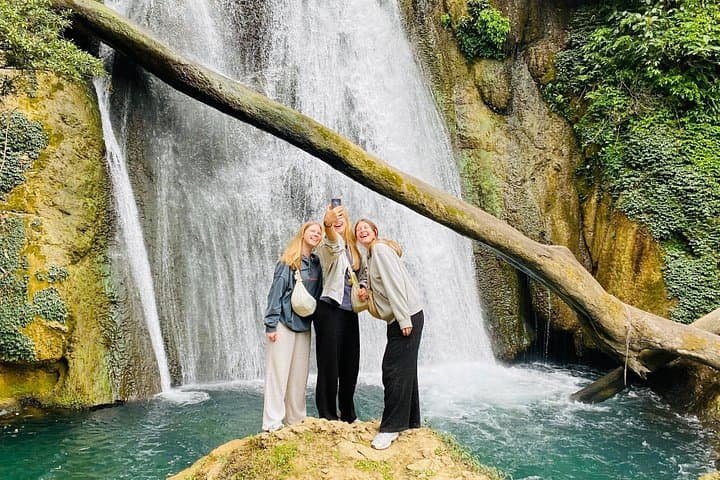
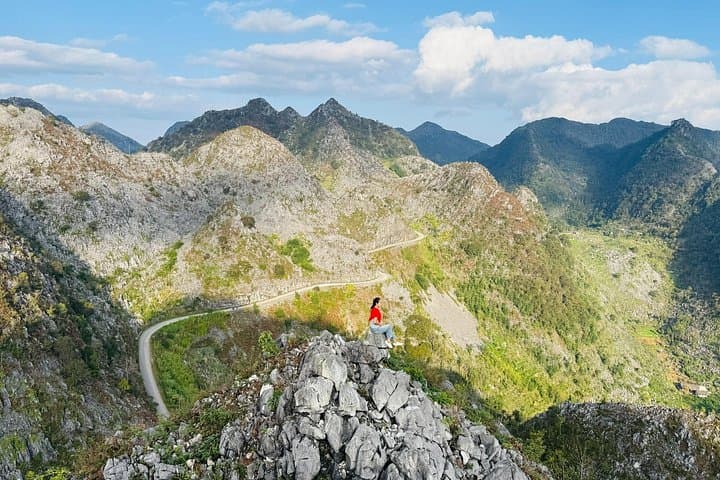
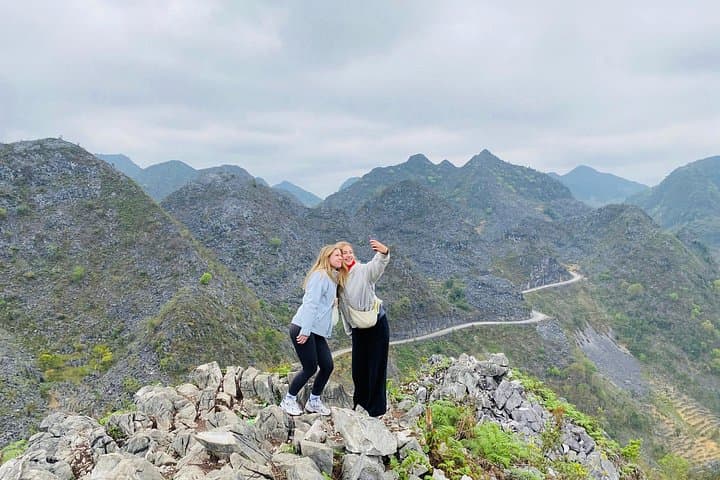
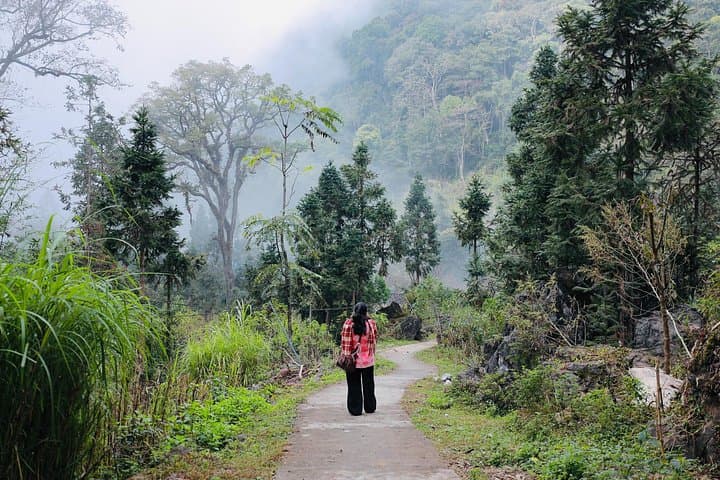
A low sun pours along the ridgelines as a small convoy of easy-rider motorbikes snakes out of Ha Giang toward Dong Van—road dust rising like a promise. Riders settle into the slow rhythm: switchbacks, quiet villages, and long pauses where cliffs drop into the Nho Que like folded maps. The White Cliff ridge above Ma Pi Leng demands a short, exposed walk; the gorge beneath feels alive, the river daring you to look down.
A low sun pours along the ridgelines as a small convoy of easy-rider motorbikes snakes out of Ha Giang toward Dong Van—road dust rising like a promise. Riders settle into the slow rhythm: switchbacks, quiet villages, and long pauses where cliffs drop into the Nho Que like folded maps. The White Cliff ridge above Ma Pi Leng demands a short, exposed walk; the gorge beneath feels alive, the river daring you to look down.
This region sits on the Dong Van Karst Plateau, a landscape carved from limestone over millions of years. Terraced fields and stone deserts speak to erosion and human adaptation; H’Mong and Dao communities remain the cultural heartbeat, practicing silverwork, herbal medicine, and rice cultivation on steep slopes. The itinerary emphasizes villages such as Sa O Ha, Lao Xa, and Nam Dam—places where daily life is still public and unhurried.
Expect varied terrain: paved and gravel mountain roads, short ridge hikes of 3–6 km with 200–400 m elevation gain, limestone caves and narrow river gorges where a short boat ride may replace riding. Weather shifts quickly; rain can make passes slick and river levels rise.
Practical tips: split the trip into the advertised four days to avoid fatigue, use layered clothing for cool mornings and hot afternoons, and keep a small daypack with water and a basic first-aid kit. Helmets and rain gear are provided, but bring sturdy hiking shoes, sunscreen, and a spare phone battery. Respect homestay customs—ask before photographing—and follow leaders’ guidance on road safety and river conditions.