THE ADVENTURE COLLECTIVE® · Independent discovery and booking for outdoor travel

Ride the Dong Van Karst Plateau on a guided 3-day motorbike loop from Hanoi, crossing Heaven’s Gate, Ma Pi Leng and Lung Cu. Expect steep passes, limestone panoramas and cultural stops in ethnic minority villages.
Ride the Dong Van Karst Plateau on a guided 3-day motorbike loop from Hanoi, crossing Heaven’s Gate, Ma Pi Leng and Lung Cu. Expect steep passes, limestone panoramas and cultural stops in ethnic minority villages.
Dawn in Hanoi gives way to a long ribbon of highway—the limousine bus carries you north, and by afternoon the air sharpens into something cooler and clearer as the karst teeth of Ha Giang rise into view.
Verified experiences and guided adventures in the surrounding area.
Operated by Authentic MAI CHAU · Ha Giang City, Ha Giang Province
Dawn in Hanoi gives way to a long ribbon of highway—the limousine bus carries you north, and by afternoon the air sharpens into something cooler and clearer as the karst teeth of Ha Giang rise into view.
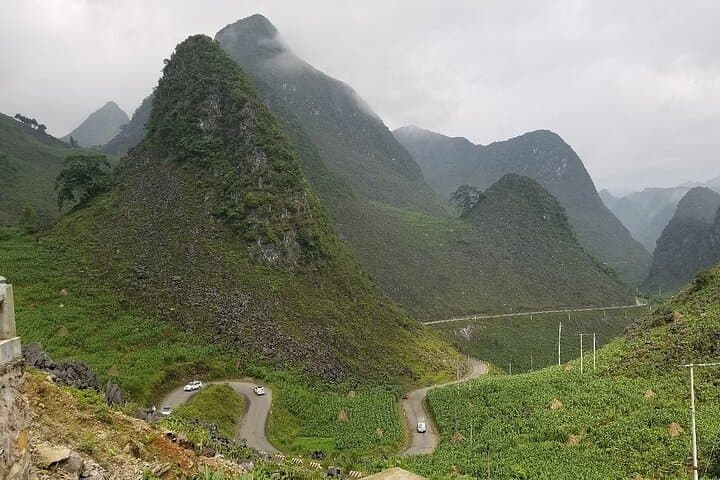
Over three days this trip threads through high passes and narrow switchbacks: Heaven’s Gate at ~1,500 m, the Lung Cu Flag Tower at 1,470 m, and the 20 km Ma Pi Leng stretch that clings to cliff faces above the Nho Que River. The Dong Van Karst Plateau is UNESCO-recognized for its limestone towers and deep canyons; those bare, weathered rocks tell of millions of years of uplift and erosion.
Ethnic Hmong, Dao and Tay communities live here in terraced fields and wooden houses; Meo King Palace and traditional brocade shops provide cultural context between viewpoints. The Nho Que River dares you to look over its emerald corridor; boat trips and short walks reveal turquoise waters and cliff-cut canyons.
Practically: the itinerary includes round-trip transport from Hanoi, two nights in simple 2-star hotels or homestays, meals as listed, and entrance fees for listed sites. Roads are winding and can be rough—local guides provide experienced drivers for motorbikes, and many travelers ride as pillion. Prepare for sudden weather changes and limited services in remote stretches.
Bring layered clothing, a rain shell, and a small daypack; keep cash for markets and tips. Respect local customs, stay on marked roads, and allow extra time for photos—the plateau rewards slow travel with unforgettable perspectives.
moderate.
3 days.
Suitable for travelers in average fitness; you should be comfortable with long transit days, getting on/off motorbikes, and short hikes to viewpoints.
No—most guests ride with experienced local drivers supplied by the tour; self-riding may be allowed for licensed, experienced riders but confirm when booking.
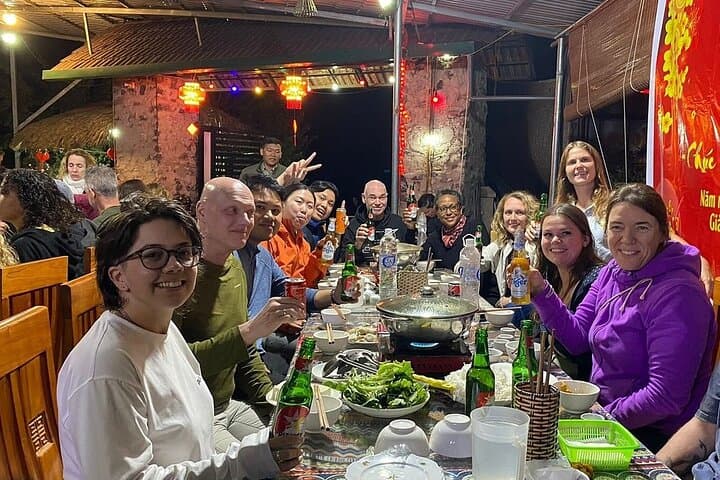
The tour includes 2 breakfasts, 3 lunches, 2 dinners and entrance fees for Pao’s house, Hmong King Palace, Lung Cu Flag and the Nho Que boat ticket as listed in the itinerary.
This itinerary is not recommended for pregnant travelers or people with serious spinal or cardiovascular conditions due to long transit and bumpy roads.
A limousine bus picks up passengers from hotels in Hanoi’s Old Quarter at the scheduled morning time; confirm your pickup point when you book.
The Dong Van Karst Plateau traces ancient uplift and was designated a UNESCO Global Geopark in 2010; the area is home to Hmong, Dao and Tay ethnic groups with distinctive cultural traditions.
Tourism stresses fragile karst ecosystems and local water sources; follow leave-no-trace principles, avoid littering, and buy local goods to support communities.
Authentic MAI CHAU operates guided outdoor trips and adventures with an emphasis on safety, stewardship, and memorable experiences.


Dawn in Hanoi gives way to a long ribbon of highway—the limousine bus carries you north, and by afternoon the air sharpens into something cooler and clearer as the karst teeth of Ha Giang rise into view.
Dawn in Hanoi gives way to a long ribbon of highway—the limousine bus carries you north, and by afternoon the air sharpens into something cooler and clearer as the karst teeth of Ha Giang rise into view.
Over three days this trip threads through high passes and narrow switchbacks: Heaven’s Gate at ~1,500 m, the Lung Cu Flag Tower at 1,470 m, and the 20 km Ma Pi Leng stretch that clings to cliff faces above the Nho Que River. The Dong Van Karst Plateau is UNESCO-recognized for its limestone towers and deep canyons; those bare, weathered rocks tell of millions of years of uplift and erosion.
Ethnic Hmong, Dao and Tay communities live here in terraced fields and wooden houses; Meo King Palace and traditional brocade shops provide cultural context between viewpoints. The Nho Que River dares you to look over its emerald corridor; boat trips and short walks reveal turquoise waters and cliff-cut canyons.
Practically: the itinerary includes round-trip transport from Hanoi, two nights in simple 2-star hotels or homestays, meals as listed, and entrance fees for listed sites. Roads are winding and can be rough—local guides provide experienced drivers for motorbikes, and many travelers ride as pillion. Prepare for sudden weather changes and limited services in remote stretches.
Bring layered clothing, a rain shell, and a small daypack; keep cash for markets and tips. Respect local customs, stay on marked roads, and allow extra time for photos—the plateau rewards slow travel with unforgettable perspectives.