THE ADVENTURE COLLECTIVE® · Independent discovery and booking for outdoor travel

Ride a sleeper bus into northern Vietnam and spend four days riding the Ha Giang Loop to Ban Gioc Waterfall — a compact journey across high passes, ethnic villages, and a border waterfall that ranks among Southeast Asia’s most dramatic. Practical pacing and homestays keep the focus on landscape and local culture.
Ride a sleeper bus into northern Vietnam and spend four days riding the Ha Giang Loop to Ban Gioc Waterfall — a compact journey across high passes, ethnic villages, and a border waterfall that ranks among Southeast Asia’s most dramatic. Practical pacing and homestays keep the focus on landscape and local culture.
Morning mist peels off the karst ridges as the sleeper bus eases into Hà Giang city, and the road ahead narrows into a ribbon of hairpins and sheer drops. Over four days you’ll ride that ribbon: high passes, carved valleys, and a border waterfall whose thunderable tiers push the river toward China.
Verified experiences and guided adventures in the surrounding area.
Operated by Authentic Travel in Vietnam · Ha Giang, Hà Giang Province
Morning mist peels off the karst ridges as the sleeper bus eases into Hà Giang city, and the road ahead narrows into a ribbon of hairpins and sheer drops. Over four days you’ll ride that ribbon: high passes, carved valleys, and a border waterfall whose thunderable tiers push the river toward China.
This route threads history and geology — ancient limestone folded into the Dong Van karst plateau, terraced rice fields hewn by Hmong and Dao communities, and colonial-era stonework in the Hmong King’s Palace. Lung Cam and Lo Lo Chai villages reveal living customs: brocade weaving, communal longhouses, and foods tied to seasonal harvests.
Expect a mix of vehicle travel and short treks: photo stops at Ma Pi Leng and Cán Tỷ Pass, a guided visit to the Hmong King Palace, and the wide-open viewing platforms at Ban Gioc. Nguom Ngao Cave offers cool subterranean relief; the Nho Que River dares you to take in its jade current from the rim of Tu San Gorge.
Practical edge: accommodations are a night in a hotel, two nights in homestays; luggage stays compact for narrow village lanes. Weather shifts quickly above 1,200 m — pack layers, rain protection, and sturdy footwear for uneven paths. Hydrate on long drives and bring cash for remote purchases. The tour is paced to introduce culture and landscape without aggressive trekking, making it accessible to travelers who can handle several hours in transit and short moderate hikes.
moderate.
4 days.
Suitable for travelers comfortable with several hours of seated transit, short to moderate walks on uneven terrain, and basic acclimatization to higher elevations.
Expect long transfers between key stops—some 3–6 hours on mountainous roads—interspersed with shorter sightseeing stops and walks.
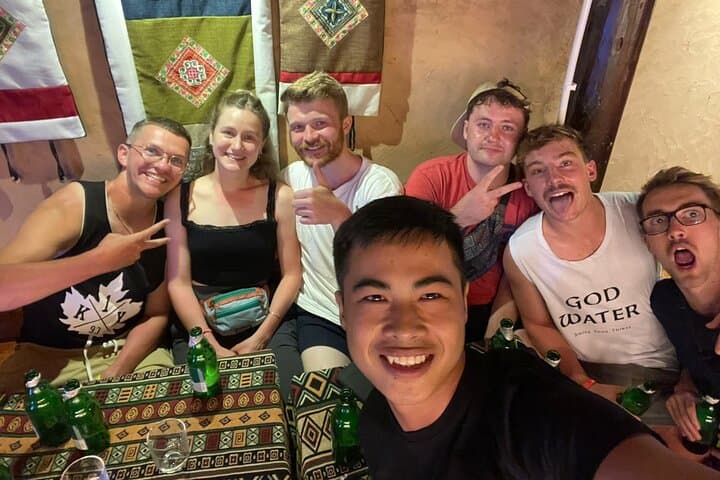
Homestays are basic but clean; they offer authentic meals and local hospitality; one hotel night provides a warmer option.
This tour stays on the Vietnamese side of the border; travelers should carry valid travel documents but no border crossing is required.
Yes—the itinerary uses a bus/vehicle and guided walks, so no motorbike experience is necessary.
The Dong Van plateau has long been home to Hmong, Dao, and Lo Lo peoples; the Hmong King’s Palace reflects early 20th-century strongman rule and regional trade ties.
The karst plateau is ecologically fragile—stick to marked paths, avoid single-use plastics, and support locally run homestays to keep tourism benefits in the community.
Authentic Travel in Vietnam operates guided outdoor trips and adventures with an emphasis on safety, stewardship, and memorable experiences.
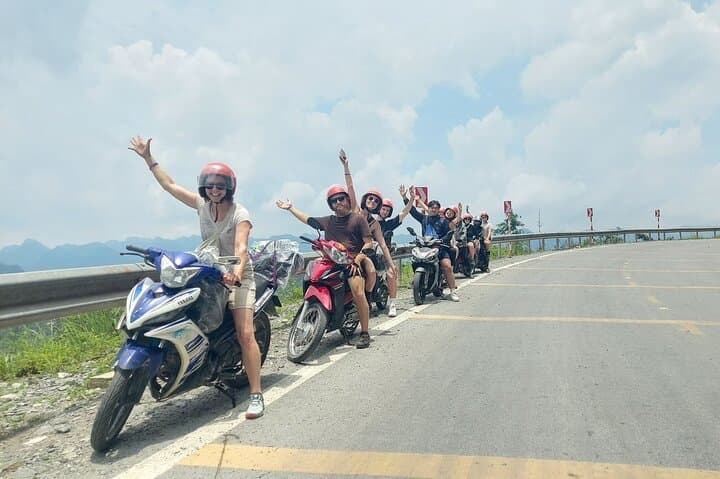
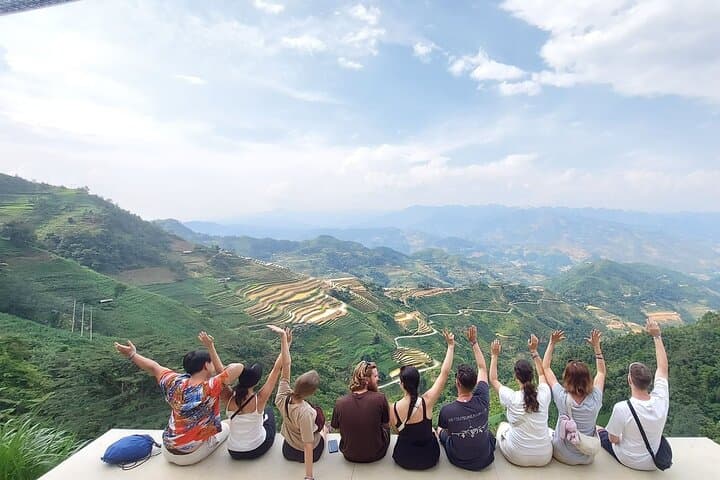
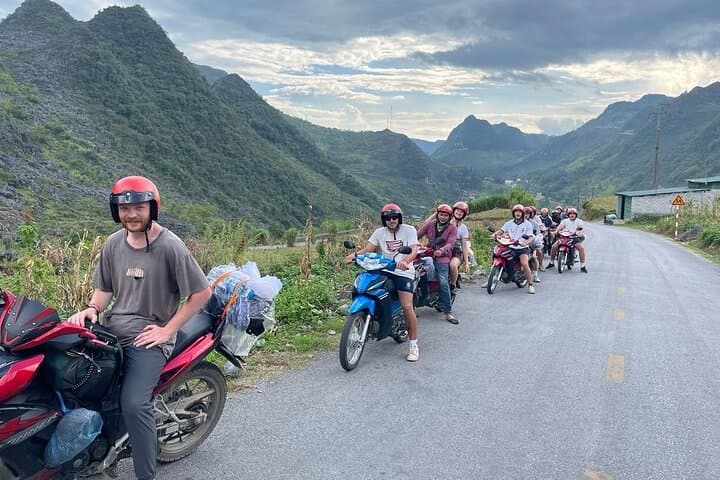
Morning mist peels off the karst ridges as the sleeper bus eases into Hà Giang city, and the road ahead narrows into a ribbon of hairpins and sheer drops. Over four days you’ll ride that ribbon: high passes, carved valleys, and a border waterfall whose thunderable tiers push the river toward China.
Morning mist peels off the karst ridges as the sleeper bus eases into Hà Giang city, and the road ahead narrows into a ribbon of hairpins and sheer drops. Over four days you’ll ride that ribbon: high passes, carved valleys, and a border waterfall whose thunderable tiers push the river toward China.
This route threads history and geology — ancient limestone folded into the Dong Van karst plateau, terraced rice fields hewn by Hmong and Dao communities, and colonial-era stonework in the Hmong King’s Palace. Lung Cam and Lo Lo Chai villages reveal living customs: brocade weaving, communal longhouses, and foods tied to seasonal harvests.
Expect a mix of vehicle travel and short treks: photo stops at Ma Pi Leng and Cán Tỷ Pass, a guided visit to the Hmong King Palace, and the wide-open viewing platforms at Ban Gioc. Nguom Ngao Cave offers cool subterranean relief; the Nho Que River dares you to take in its jade current from the rim of Tu San Gorge.
Practical edge: accommodations are a night in a hotel, two nights in homestays; luggage stays compact for narrow village lanes. Weather shifts quickly above 1,200 m — pack layers, rain protection, and sturdy footwear for uneven paths. Hydrate on long drives and bring cash for remote purchases. The tour is paced to introduce culture and landscape without aggressive trekking, making it accessible to travelers who can handle several hours in transit and short moderate hikes.