THE ADVENTURE COLLECTIVE® · Independent discovery and booking for outdoor travel

Ride the Ha Giang Loop into Cao Bằng to reach Ban Gioc Waterfall on a four-day motorbike expedition. Expect winding mountain passes, karst vistas, river canyons and authentic hill‑tribe villages.
Ride the Ha Giang Loop into Cao Bằng to reach Ban Gioc Waterfall on a four-day motorbike expedition. Expect winding mountain passes, karst vistas, river canyons and authentic hill‑tribe villages.
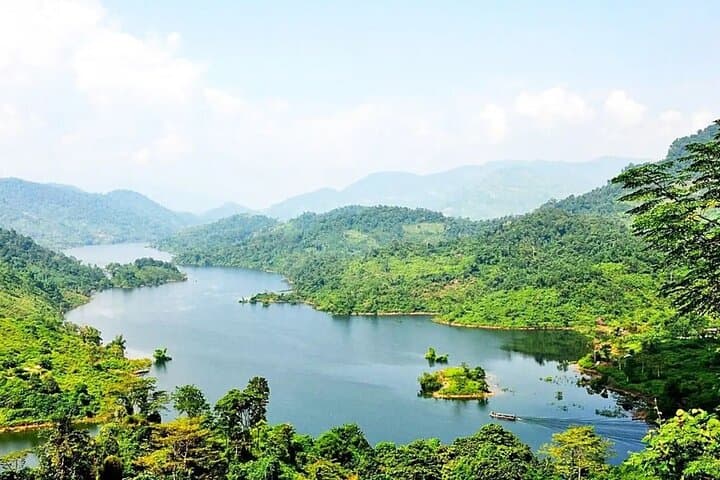
The road unfurls like a live map: hairpins carving through limestone ribs, terraced fields folding away beneath ragged peaks. Riders begin with a night bus from Hanoi, waking in Ha Giang before mounting motorcycles that climb through Bac Sum and Quan Ba’s high ridges. Morning mist lifts off valley floors to reveal the Dong Van karst plateau, where wind and rain have sculpted the landscape into steep cliffs and rounded pinnacles.
Verified experiences and guided adventures in the surrounding area.
Operated by Authentic PHU QUOC · Ha Giang, Ha Giang Province
The road unfurls like a live map: hairpins carving through limestone ribs, terraced fields folding away beneath ragged peaks. Riders begin with a night bus from Hanoi, waking in Ha Giang before mounting motorcycles that climb through Bac Sum and Quan Ba’s high ridges. Morning mist lifts off valley floors to reveal the Dong Van karst plateau, where wind and rain have sculpted the landscape into steep cliffs and rounded pinnacles.
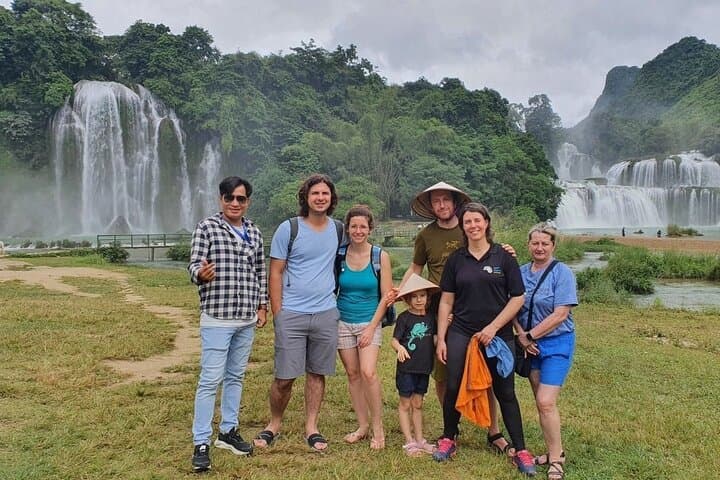
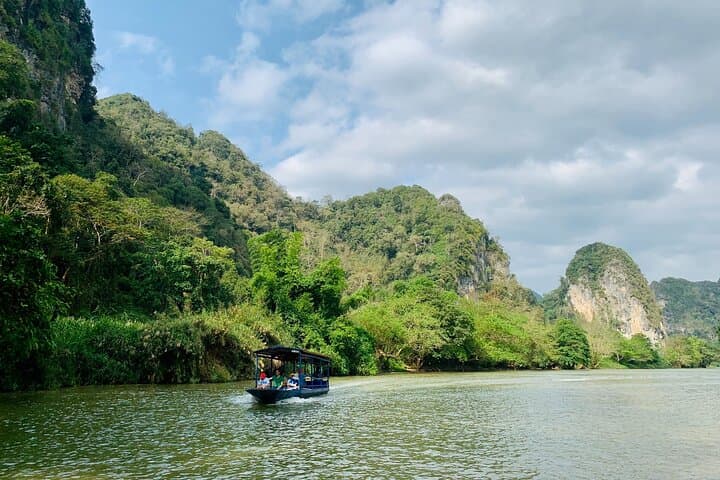
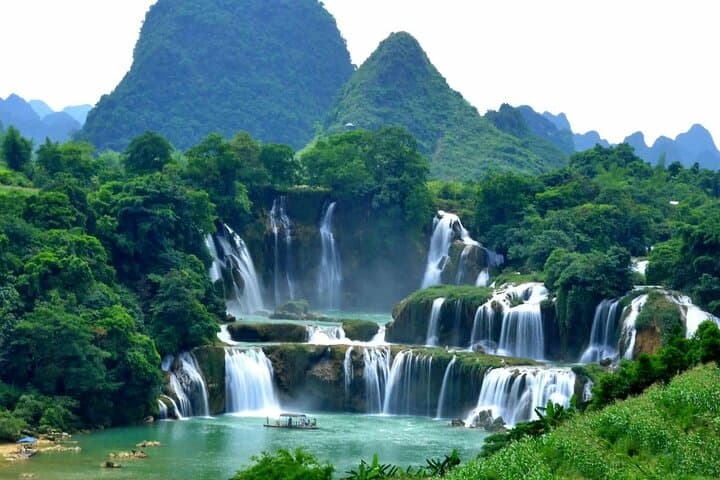
This route threads history and geology. The karst plateau is limestone worn into towers and caves over millions of years; Vietnam’s ethnic minority villages—Hmong, Lo Lo, Tay—add living culture with hilltop communal houses and woven textiles. Ma Pi Leng Pass, at roughly 1,200–2,000 m elevations in places, looks down on the turquoise Nho Que River slicing a canyon below. Further east, Ban Gioc Waterfall tumbles over limestone shelves on the Vietnam–China border; nearby Nguom Ngao cave holds stalactites formed in slow cathedral time.
Practically: expect several hundred kilometres of mixed paved and rural mountain roads over four days, varied weather, and long riding days punctuated by homestays or simple hotels. Bring layered protection against wind and sudden rain, allow time for photo stops at passes, and respect local customs when visiting villages. Hydrate early, plan for slower speeds on descents, and set expectations—this is an expedition of views and cultural encounters rather than a high-speed tour. The payoff is elemental: river gorges daring you to look down, waterfalls demanding attention, and nights spent among people who have lived these roads for generations.
moderate.
4 days.
Should be comfortable sitting and handling a motorcycle for multiple 3–6 hour riding stretches each day; basic stamina and balance required.
Yes—riders should have experience on manual motorbikes and be confident on winding mountain roads; guided options may include drivers for less experienced riders.
Accommodations alternate between simple hotels and homestays—basic comforts, local meals, and early starts are typical.
Generally yes, but winter brings colder temperatures and occasional fog; monsoon season (summer) increases rain and slippery roads.
The tour includes helmets, entrance fees for listed sites, motorcycles and gasoline as noted in the itinerary inclusions.
The Dong Van Karst Plateau has been inhabited by ethnic minorities for centuries and hosted historical trade and migration routes; Vuong Palace reflects early 20th‑century Hmong leadership in the region.
Fragile karst ecosystems and cave formations are sensitive to trampling and litter—respect marked trails and avoid feeding wildlife to minimize impact.
Authentic PHU QUOC operates guided outdoor trips and adventures with an emphasis on safety, stewardship, and memorable experiences.
The road unfurls like a live map: hairpins carving through limestone ribs, terraced fields folding away beneath ragged peaks. Riders begin with a night bus from Hanoi, waking in Ha Giang before mounting motorcycles that climb through Bac Sum and Quan Ba’s high ridges. Morning mist lifts off valley floors to reveal the Dong Van karst plateau, where wind and rain have sculpted the landscape into steep cliffs and rounded pinnacles.
The road unfurls like a live map: hairpins carving through limestone ribs, terraced fields folding away beneath ragged peaks. Riders begin with a night bus from Hanoi, waking in Ha Giang before mounting motorcycles that climb through Bac Sum and Quan Ba’s high ridges. Morning mist lifts off valley floors to reveal the Dong Van karst plateau, where wind and rain have sculpted the landscape into steep cliffs and rounded pinnacles.
This route threads history and geology. The karst plateau is limestone worn into towers and caves over millions of years; Vietnam’s ethnic minority villages—Hmong, Lo Lo, Tay—add living culture with hilltop communal houses and woven textiles. Ma Pi Leng Pass, at roughly 1,200–2,000 m elevations in places, looks down on the turquoise Nho Que River slicing a canyon below. Further east, Ban Gioc Waterfall tumbles over limestone shelves on the Vietnam–China border; nearby Nguom Ngao cave holds stalactites formed in slow cathedral time.
Practically: expect several hundred kilometres of mixed paved and rural mountain roads over four days, varied weather, and long riding days punctuated by homestays or simple hotels. Bring layered protection against wind and sudden rain, allow time for photo stops at passes, and respect local customs when visiting villages. Hydrate early, plan for slower speeds on descents, and set expectations—this is an expedition of views and cultural encounters rather than a high-speed tour. The payoff is elemental: river gorges daring you to look down, waterfalls demanding attention, and nights spent among people who have lived these roads for generations.