THE ADVENTURE COLLECTIVE® · Independent discovery and booking for outdoor travel

Ride or ride-along through Vietnam’s northern highlands on the Ha Giang Loop: cliffside passes, karst plateaus, and authentic homestays. This four-day motorbike loop pairs dramatic viewpoints like Ma Pi Leng with cultural stops in Dong Van and Lung Tam village.
Ride or ride-along through Vietnam’s northern highlands on the Ha Giang Loop: cliffside passes, karst plateaus, and authentic homestays. This four-day motorbike loop pairs dramatic viewpoints like Ma Pi Leng with cultural stops in Dong Van and Lung Tam village.
Dust lifts from the switchbacks as the convoy peels out of Ha Giang city at dawn — limestone spires and terraced fields unfolding like pages in a field guide. Ma Pi Leng rises ahead, a spine of rock that dares you to look over the Nho Que River far below; wind tugs at your jacket while villages cling to ridgelines.
Verified experiences and guided adventures in the surrounding area.
Operated by Safari company · Ha Giang, Ha Giang Province
Dust lifts from the switchbacks as the convoy peels out of Ha Giang city at dawn — limestone spires and terraced fields unfolding like pages in a field guide. Ma Pi Leng rises ahead, a spine of rock that dares you to look over the Nho Que River far below; wind tugs at your jacket while villages cling to ridgelines.
The loop follows old trading routes that trace the borderlands with China. Geologically, the Dong Van Karst Plateau is a UNESCO-recognized karst landscape, shaped over millions of years into sheer cliffs, pinnacles, and narrow valleys. Culturally, the road threads H’Mong and Dao communities where woven linen and indigo-dyed garments mark daily life; homestays make culture tangible — shared meals, stories, and sometimes karaoke.
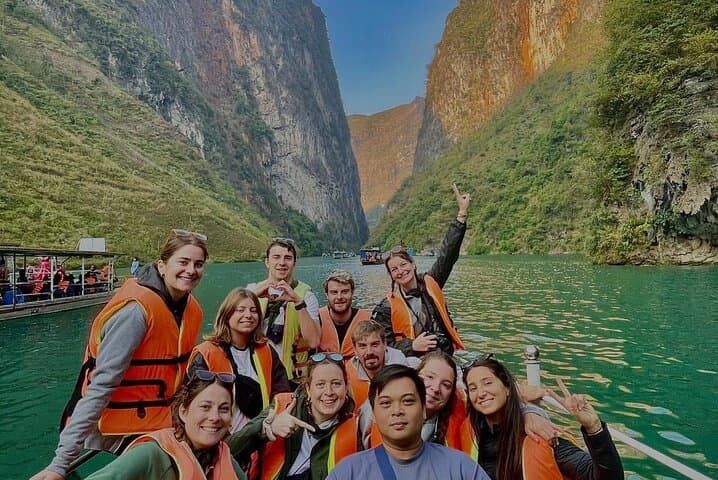
Expect long riding days on asphalt and rough patches, hairpin turns, and short hikes to caves and viewpoints. Highlights: the Heaven Gate and Twin Mountains, Vuong’s Palace for royal-era architecture, the chaotic color of Dong Van market, and a boat stretch on the Nho Que for close-up canyon views. Wildlife is subtle — pheasants, blue sheep in higher crags, and river birds along the gorge.
Practical edge: pack layered windproof clothing, a well-fitting helmet, and lightweight rain protection; altitude and wind mean temperatures swing. Stay hydrated, fuel the bike frequently — fuel stations are sparse outside towns — and give extra time for weather or slow-moving local traffic. If you don’t ride, choose the passenger option and confirm inclusive transfers and safety gear. Four days of focused travel will leave you with landscape-rich memories and a direct line to northern Vietnam’s living highlands.
moderate.
4 days.
Suitable for travelers with basic endurance to handle several hours seated on a bike each day and short hikes; not physically demanding but requires comfort with long travel days.
No — the tour offers riding and passenger options; guide drivers and transfers are provided for those who prefer not to ride.
Accommodations are homestays and basic local guesthouses focusing on authentic experiences rather than luxury; expect shared facilities in some villages.
Roads include steep, narrow sections and hairpins; inexperienced riders should choose the passenger option or ensure they have prior mountain riding experience.
Yes — the tour package lists meals and safety gear among inclusions, but bringing personal gear like a preferred helmet is recommended.
The Ha Giang loop follows paths used by ethnic groups and traders for centuries; Vuong’s Palace reflects early 20th-century local princely rule in the region.
The Karst Plateau faces erosion and pressure from tourism; stick to trails, avoid single-use plastics, and support homestays that practice waste management.
Safari company operates guided outdoor trips and adventures with an emphasis on safety, stewardship, and memorable experiences.

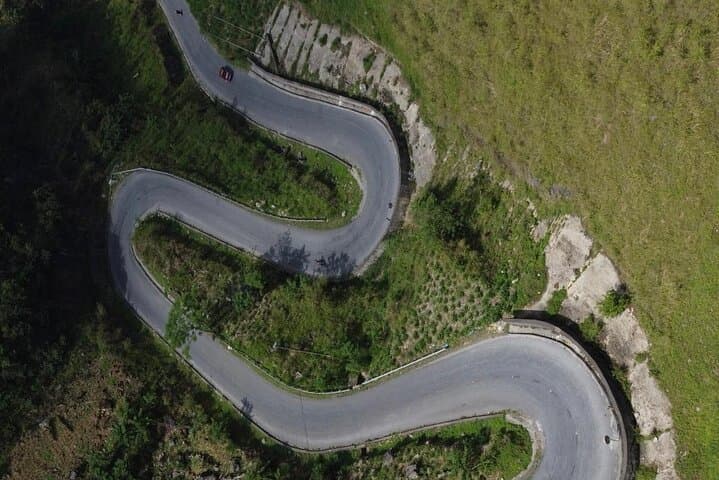
Dust lifts from the switchbacks as the convoy peels out of Ha Giang city at dawn — limestone spires and terraced fields unfolding like pages in a field guide. Ma Pi Leng rises ahead, a spine of rock that dares you to look over the Nho Que River far below; wind tugs at your jacket while villages cling to ridgelines.
Dust lifts from the switchbacks as the convoy peels out of Ha Giang city at dawn — limestone spires and terraced fields unfolding like pages in a field guide. Ma Pi Leng rises ahead, a spine of rock that dares you to look over the Nho Que River far below; wind tugs at your jacket while villages cling to ridgelines.
The loop follows old trading routes that trace the borderlands with China. Geologically, the Dong Van Karst Plateau is a UNESCO-recognized karst landscape, shaped over millions of years into sheer cliffs, pinnacles, and narrow valleys. Culturally, the road threads H’Mong and Dao communities where woven linen and indigo-dyed garments mark daily life; homestays make culture tangible — shared meals, stories, and sometimes karaoke.
Expect long riding days on asphalt and rough patches, hairpin turns, and short hikes to caves and viewpoints. Highlights: the Heaven Gate and Twin Mountains, Vuong’s Palace for royal-era architecture, the chaotic color of Dong Van market, and a boat stretch on the Nho Que for close-up canyon views. Wildlife is subtle — pheasants, blue sheep in higher crags, and river birds along the gorge.
Practical edge: pack layered windproof clothing, a well-fitting helmet, and lightweight rain protection; altitude and wind mean temperatures swing. Stay hydrated, fuel the bike frequently — fuel stations are sparse outside towns — and give extra time for weather or slow-moving local traffic. If you don’t ride, choose the passenger option and confirm inclusive transfers and safety gear. Four days of focused travel will leave you with landscape-rich memories and a direct line to northern Vietnam’s living highlands.