THE ADVENTURE COLLECTIVE® · Independent discovery and booking for outdoor travel

A three- to four-day motorbike circuit from Sapa into Ha Giang’s high karst plateau. Ride narrow passes, stop at Ma Pi Leng and the Vuong Palace, and sleep in local homestays for a compact, authentic northern Vietnam experience.
A three- to four-day motorbike circuit from Sapa into Ha Giang’s high karst plateau. Ride narrow passes, stop at Ma Pi Leng and the Vuong Palace, and sleep in local homestays for a compact, authentic northern Vietnam experience.
You kick off before dawn in Sapa, the engine a steady hum against a sky that lightens over rice terraces. The road climbs out of town and into a country that seems to have been carved by wind and river: limestone ribs, terraced shoulders, and passes that force you to lean and trust the bike beneath you.
Verified experiences and guided adventures in the surrounding area.
Operated by Lisa Vietnam Travel · Ha Giang, Ha Giang Province
You kick off before dawn in Sapa, the engine a steady hum against a sky that lightens over rice terraces. The road climbs out of town and into a country that seems to have been carved by wind and river: limestone ribs, terraced shoulders, and passes that force you to lean and trust the bike beneath you.
The route threads through the Dong Van Karst Plateau Geopark — a UNESCO-recognized landscape of exposed Ordovician limestone and dramatic karst towers. You’ll ride the Happiness Road past Quan Ba Heaven Gate, skirt the Nho Que River’s emerald bends, and crest Ma Pi Leng, where cliffs drop into the Tu San gorge. The region’s human history is visible in the stone houses and in the Vuong family palace at Sa Phin, a reminder of H’Mong political life under French colonial influence.
Expect mixed surfaces: mostly paved national highways with short stretches of rough concrete and gravel on remote passes. Elevations commonly reach 1,200–1,500 m, so temperature and weather can change fast; storms push across the plateau in minutes and rivers dare you to keep your timing tight.
Practically: bring a reliable, well-maintained bike and a full-face helmet, plan for 100–140 km riding days, and budget time for markets and viewpoints. Hydrate, keep your fuel tank topped where villages appear, and choose homestays when you want local food and conversation. The loop is rewarding for experienced riders who want both scenery and cultural contact — it’s less a race than a paced negotiation with northern Vietnam’s bold, weathered country.
challenging.
3 days (72 hours).
Riders should be comfortable spending multiple hours in the saddle and able to handle balance on steep, winding roads; basic endurance and core strength help.
Yes—this loop requires confident control over a motorcycle on winding, sometimes narrow mountain roads; inexperienced riders should not attempt without training.
Mostly paved national and provincial roads with intermittent rough concrete or gravel on side passes; expect potholes and occasional landslide debris after heavy rain.
Yes—operators typically offer free storage for excess luggage and provide bungee cords and covers for bags on the bike.
Accommodation is a mix of ethnic minority homestays and hotels; homestays are basic but include local meals and a chance to meet H’Mong or Dao families.
The plateau has long been home to H’Mong, Dao and Tay communities; Sa Phin’s Vuong palace reflects the influence of regional H’Mong leaders in the early 20th century.
The Dong Van Karst Plateau is a UNESCO Global Geopark; visitors should stay on roads and trails, avoid littering, and prefer local homestays to support sustainable tourism.
Lisa Vietnam Travel operates guided outdoor trips and adventures with an emphasis on safety, stewardship, and memorable experiences.
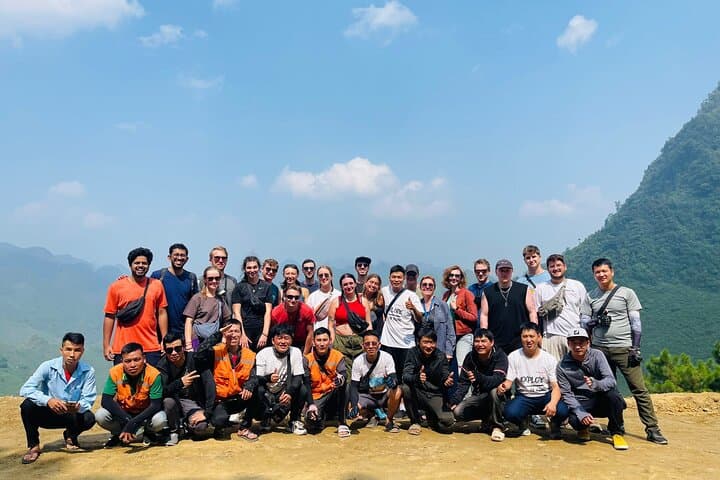
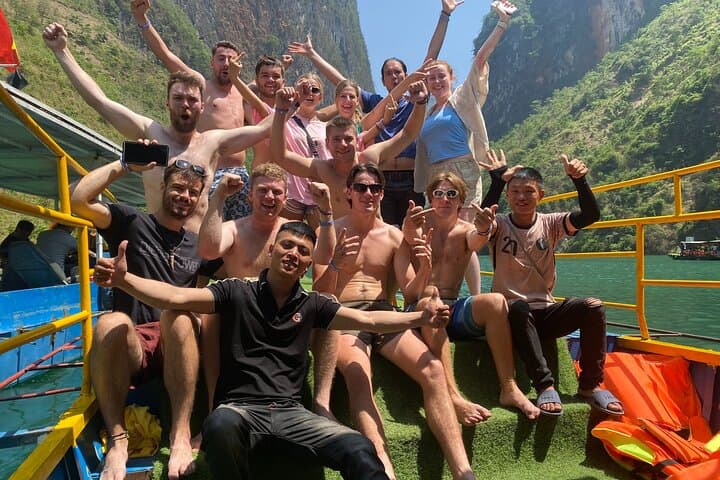
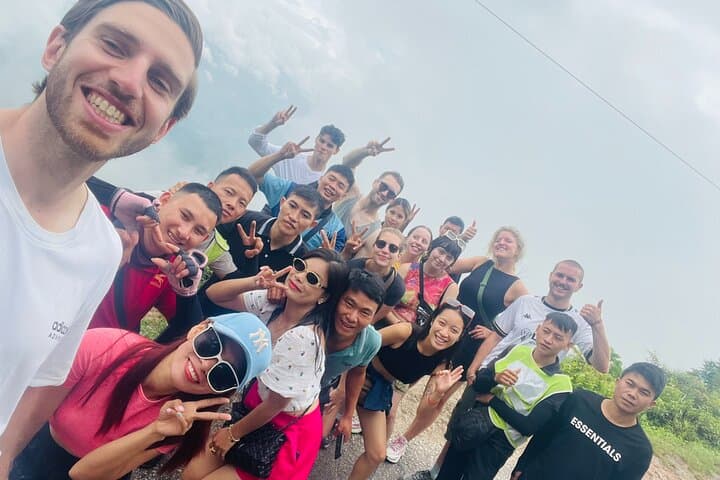
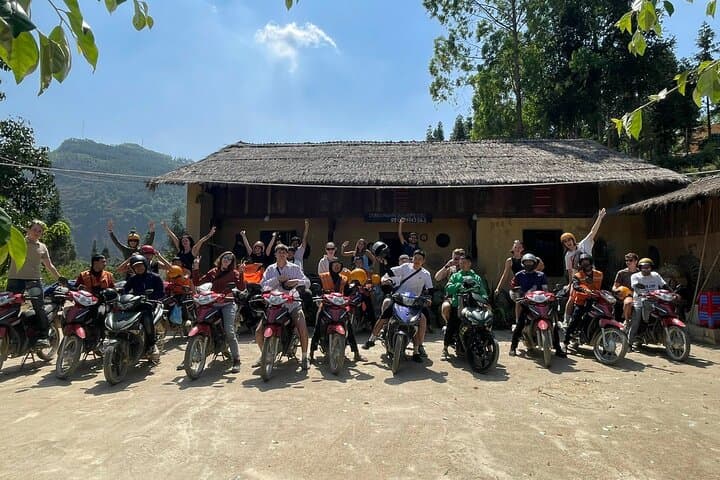
You kick off before dawn in Sapa, the engine a steady hum against a sky that lightens over rice terraces. The road climbs out of town and into a country that seems to have been carved by wind and river: limestone ribs, terraced shoulders, and passes that force you to lean and trust the bike beneath you.
You kick off before dawn in Sapa, the engine a steady hum against a sky that lightens over rice terraces. The road climbs out of town and into a country that seems to have been carved by wind and river: limestone ribs, terraced shoulders, and passes that force you to lean and trust the bike beneath you.
The route threads through the Dong Van Karst Plateau Geopark — a UNESCO-recognized landscape of exposed Ordovician limestone and dramatic karst towers. You’ll ride the Happiness Road past Quan Ba Heaven Gate, skirt the Nho Que River’s emerald bends, and crest Ma Pi Leng, where cliffs drop into the Tu San gorge. The region’s human history is visible in the stone houses and in the Vuong family palace at Sa Phin, a reminder of H’Mong political life under French colonial influence.
Expect mixed surfaces: mostly paved national highways with short stretches of rough concrete and gravel on remote passes. Elevations commonly reach 1,200–1,500 m, so temperature and weather can change fast; storms push across the plateau in minutes and rivers dare you to keep your timing tight.
Practically: bring a reliable, well-maintained bike and a full-face helmet, plan for 100–140 km riding days, and budget time for markets and viewpoints. Hydrate, keep your fuel tank topped where villages appear, and choose homestays when you want local food and conversation. The loop is rewarding for experienced riders who want both scenery and cultural contact — it’s less a race than a paced negotiation with northern Vietnam’s bold, weathered country.