THE ADVENTURE COLLECTIVE® · Independent discovery and booking for outdoor travel

Ride the Ha Giang Loop across the Dong Van Karst Plateau with experienced easy riders, homestays in ethnic villages and dramatic passes like Ma Pi Leng. This four-day circuit mixes rugged geology, living culture and daily mountain drives.
Ride the Ha Giang Loop across the Dong Van Karst Plateau with experienced easy riders, homestays in ethnic villages and dramatic passes like Ma Pi Leng. This four-day circuit mixes rugged geology, living culture and daily mountain drives.
The road arrives first: a ribbon of asphalt clinging to limestone ribs, switchbacking above river clefts as the sleeper bus drops you into Ha Giang before dawn. Wind and cold slam the windows; later that day a local “easy rider” takes the handlebars and the valley opens—terraced rice, pine-swept passes and the vertiginous drop of Ma Pi Leng daring you to look down.
Verified experiences and guided adventures in the surrounding area.
Operated by Vietnam Real Tour · Ha Giang, Ha Giang Province
The road arrives first: a ribbon of asphalt clinging to limestone ribs, switchbacking above river clefts as the sleeper bus drops you into Ha Giang before dawn. Wind and cold slam the windows; later that day a local “easy rider” takes the handlebars and the valley opens—terraced rice, pine-swept passes and the vertiginous drop of Ma Pi Leng daring you to look down.
This four-day circuit moves along the Dong Van Karst Plateau Geopark, a jagged landscape carved by ancient uplift and river erosion. You’ll touch small Dao and H’mong villages, spend nights in family-run homestays and pass the French-era ruins above Dong Van. Cultural threads—traditional dress, hilltribe markets and the Vuong family palace—frame a route that’s as much anthropology as it is scenery.
Expect paved but narrow mountain roads, daily rides of roughly 70–120 km, and sustained elevation shifts as you cross passes like Quan Ba and Ma Pi Leng (around 1,200 m). Weather is changeable; mornings can be cold, afternoons bright. Guides provide helmets, rain gear and local knowledge—important because traffic, livestock and sudden rain demand attention.
Practical edge: pack layers, a waterproof shell and a small daypack for water and documents. Bring cash for entry fees and market purchases. If you’re passenger-riding with a local driver you need little technical skill; if you plan to ride yourself, be confident on tight, steep switchbacks. Start early to avoid afternoon clouds and long vehicle convoys—sunrise light on the karst is worth the 4 a.m. wake-up.
challenging.
4 days.
Moderate fitness recommended—ability to handle long days sitting on a bike and short walks around villages.
No—this tour provides experienced local riders (easy riders) who drive guests; you can also request to ride if you’re comfortable and meet licensing requirements.
Accommodation is primarily family-run homestays and basic guesthouses offering local meals, shared bathrooms and a chance to stay with ethnic minority families.
Roads are paved but narrow with tight switchbacks; expect daily drives of about 70–120 km through mountain passes and valley roads.
Not recommended for people with serious spinal injuries or for very young children due to long rides and rough stretches; check with the operator for exemptions.
The route crosses the Dong Van Karst Plateau Geopark, an area shaped by tectonic uplift and home to H’mong, Dao and Tay communities with distinct cultural traditions.
Rural communities are sensitive to visitor impact—minimize waste, avoid single-use plastics and respect private homestays to support sustainable tourism.
Vietnam Real Tour operates guided outdoor trips and adventures with an emphasis on safety, stewardship, and memorable experiences.
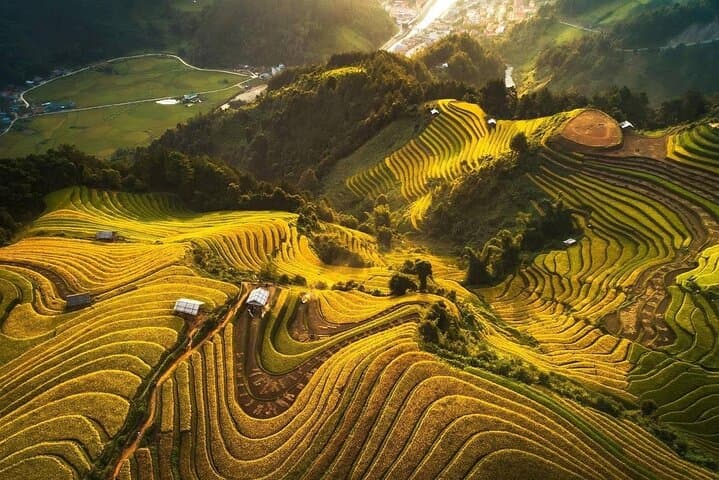
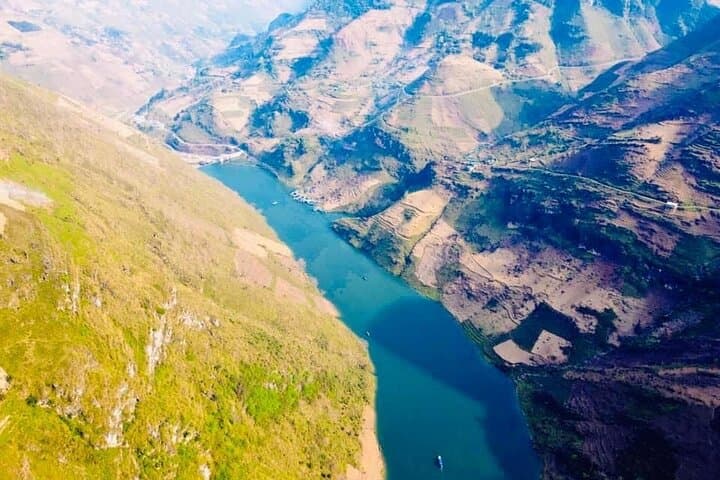
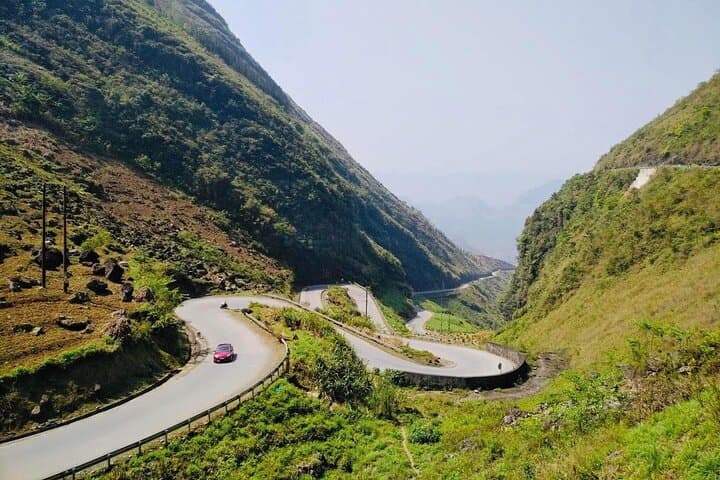
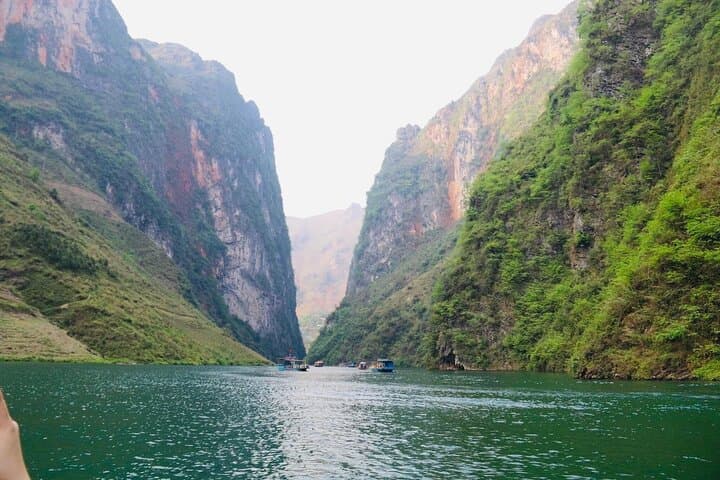
The road arrives first: a ribbon of asphalt clinging to limestone ribs, switchbacking above river clefts as the sleeper bus drops you into Ha Giang before dawn. Wind and cold slam the windows; later that day a local “easy rider” takes the handlebars and the valley opens—terraced rice, pine-swept passes and the vertiginous drop of Ma Pi Leng daring you to look down.
The road arrives first: a ribbon of asphalt clinging to limestone ribs, switchbacking above river clefts as the sleeper bus drops you into Ha Giang before dawn. Wind and cold slam the windows; later that day a local “easy rider” takes the handlebars and the valley opens—terraced rice, pine-swept passes and the vertiginous drop of Ma Pi Leng daring you to look down.
This four-day circuit moves along the Dong Van Karst Plateau Geopark, a jagged landscape carved by ancient uplift and river erosion. You’ll touch small Dao and H’mong villages, spend nights in family-run homestays and pass the French-era ruins above Dong Van. Cultural threads—traditional dress, hilltribe markets and the Vuong family palace—frame a route that’s as much anthropology as it is scenery.
Expect paved but narrow mountain roads, daily rides of roughly 70–120 km, and sustained elevation shifts as you cross passes like Quan Ba and Ma Pi Leng (around 1,200 m). Weather is changeable; mornings can be cold, afternoons bright. Guides provide helmets, rain gear and local knowledge—important because traffic, livestock and sudden rain demand attention.
Practical edge: pack layers, a waterproof shell and a small daypack for water and documents. Bring cash for entry fees and market purchases. If you’re passenger-riding with a local driver you need little technical skill; if you plan to ride yourself, be confident on tight, steep switchbacks. Start early to avoid afternoon clouds and long vehicle convoys—sunrise light on the karst is worth the 4 a.m. wake-up.