THE ADVENTURE COLLECTIVE® · Independent discovery and booking for outdoor travel

Ride the Ha Giang Loop over 3–4 days to experience towering karst peaks, the vertigo of Ma Pi Leng, and homestays with H’mong and Tay families. This small-group motorbike tour combines remote mountain roads with cultural stops and local food.
Ride the Ha Giang Loop over 3–4 days to experience towering karst peaks, the vertigo of Ma Pi Leng, and homestays with H’mong and Tay families. This small-group motorbike tour combines remote mountain roads with cultural stops and local food.
You kick the clutch, the engine settles, and the mountain road unfurls like a ribbon carved into green and gray—rice terraces below, limestone towers puncturing clouds, the Nho Que River daring you from the canyon lip.
Verified experiences and guided adventures in the surrounding area.
Operated by Lisa Vietnam Travel · Ha Giang City, Ha Giang Province
You kick the clutch, the engine settles, and the mountain road unfurls like a ribbon carved into green and gray—rice terraces below, limestone towers puncturing clouds, the Nho Que River daring you from the canyon lip.
The Ha Giang Loop threads through the Dong Van Karst Plateau, a landscape of weathered limestone pushed up over millions of years and cut by steep valleys. Centuries of human life cling to these slopes: H’mong and Tay villages perched on ridgelines, markets where embroidered jackets trade hands, and stone houses that still use wood fires.
Over 3–4 days you’ll cover roughly 300–400 km of winding asphalt and patched concrete. Key highlights include Bac Sum Pass (Heaven Gate), the vertiginous Ma Pi Leng lookout above the Nho Que, Dong Van Old Quarter and small homestays that place you inside local routines—shared dinners, simple rooms, and morning tea.
Practically, the tour supplies semi-automatic Japanese motorcycles, helmets, basic protective gear, fuel and a guide; an option to hire an “easy rider” driver is common for less-experienced riders. Roads vary: smooth ribbon in stretches, narrow switchbacks and occasional loose gravel in others. Elevation climbs to roughly 1,200–1,500 m, so pack layers and waterproofs.
Plan for early departures to avoid heat and fog, keep small-denomination cash for remote purchases, and allow extra time for roadside photo stops and unplanned market detours. The Loop rewards patience and focus—move deliberately, respect local traffic customs, and the mountains will keep offering new viewpoints.
moderate.
3–4 days.
Comfortable sitting for several hours, basic core and leg endurance for handling a motorcycle and brief walks at viewpoints
Yes—mountain roads include tight switchbacks and uneven surfaces; inexperienced riders should opt for an easy-rider driver provided by the tour.
Nights alternate between simple ethnic-minority homestays and basic hotels; expect shared bathrooms in villages and warm, home-cooked meals.
The tour includes fuel costs, and while petrol is available, stations are sparse—your operator will plan refuels during the route.
Weather can change quickly—pack layers, a rain shell, sun protection and warm clothes for higher passes, especially outside summer months.
The Dong Van Plateau has long been a crossroads of highland communities; its karst formations and isolated villages preserved distinct languages, textiles, and market traditions.
Rising visitor numbers stress fragile soils and water sources; stick to routed roads, avoid open-fire rubbish burning, and support homestays that follow local waste practices.
Lisa Vietnam Travel operates guided outdoor trips and adventures with an emphasis on safety, stewardship, and memorable experiences.
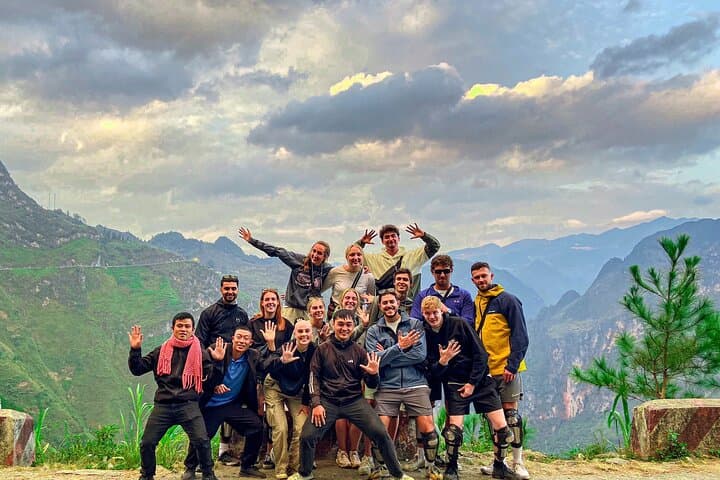
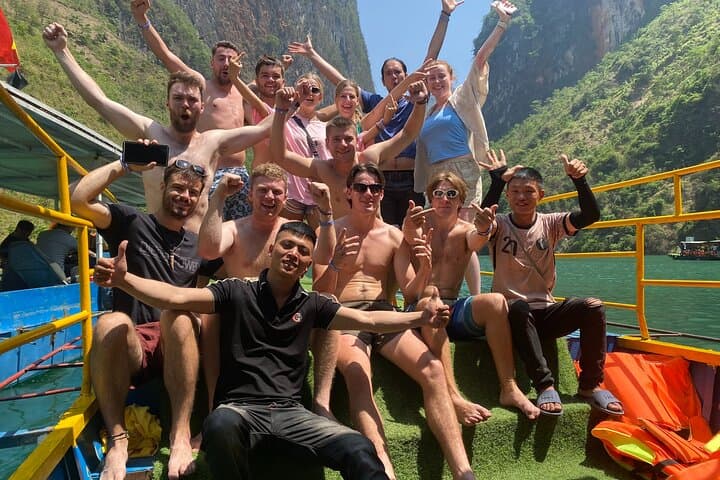
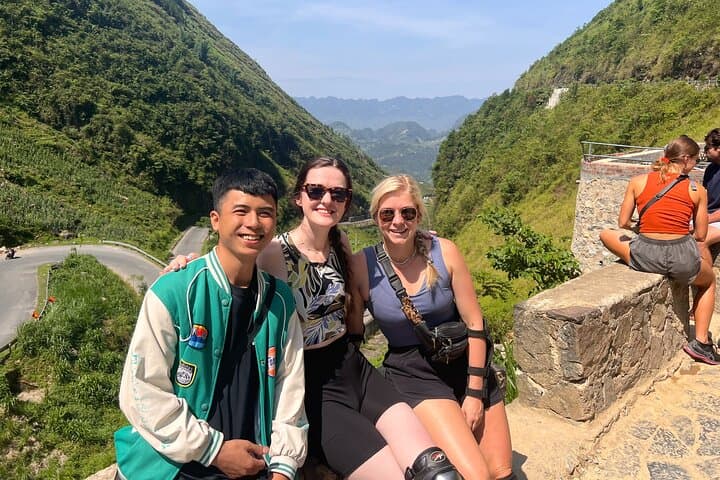
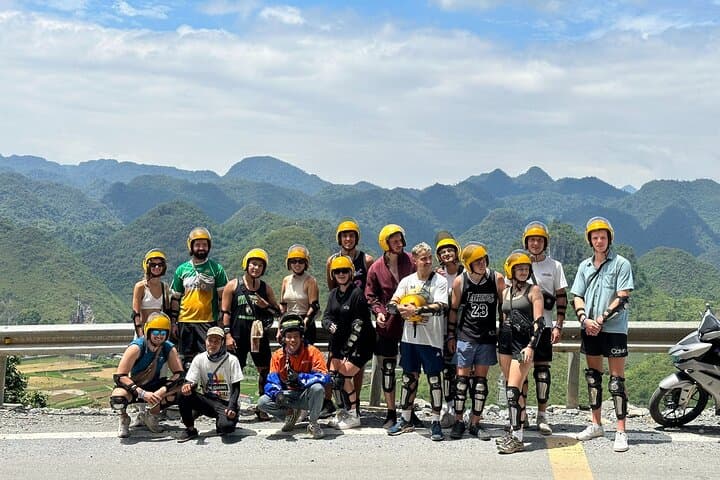
You kick the clutch, the engine settles, and the mountain road unfurls like a ribbon carved into green and gray—rice terraces below, limestone towers puncturing clouds, the Nho Que River daring you from the canyon lip.
You kick the clutch, the engine settles, and the mountain road unfurls like a ribbon carved into green and gray—rice terraces below, limestone towers puncturing clouds, the Nho Que River daring you from the canyon lip.
The Ha Giang Loop threads through the Dong Van Karst Plateau, a landscape of weathered limestone pushed up over millions of years and cut by steep valleys. Centuries of human life cling to these slopes: H’mong and Tay villages perched on ridgelines, markets where embroidered jackets trade hands, and stone houses that still use wood fires.
Over 3–4 days you’ll cover roughly 300–400 km of winding asphalt and patched concrete. Key highlights include Bac Sum Pass (Heaven Gate), the vertiginous Ma Pi Leng lookout above the Nho Que, Dong Van Old Quarter and small homestays that place you inside local routines—shared dinners, simple rooms, and morning tea.
Practically, the tour supplies semi-automatic Japanese motorcycles, helmets, basic protective gear, fuel and a guide; an option to hire an “easy rider” driver is common for less-experienced riders. Roads vary: smooth ribbon in stretches, narrow switchbacks and occasional loose gravel in others. Elevation climbs to roughly 1,200–1,500 m, so pack layers and waterproofs.
Plan for early departures to avoid heat and fog, keep small-denomination cash for remote purchases, and allow extra time for roadside photo stops and unplanned market detours. The Loop rewards patience and focus—move deliberately, respect local traffic customs, and the mountains will keep offering new viewpoints.