THE ADVENTURE COLLECTIVE® · Independent discovery and booking for outdoor travel

Two days of mountain passes, sharp switchbacks and river gorges — the Ha Giang Loop compresses northern Vietnam’s dramatic limestone plateau into a hard-riding, culturally rich short trip. Expect long riding days, village homestays, and raw highland panoramas.
Two days of mountain passes, sharp switchbacks and river gorges — the Ha Giang Loop compresses northern Vietnam’s dramatic limestone plateau into a hard-riding, culturally rich short trip. Expect long riding days, village homestays, and raw highland panoramas.
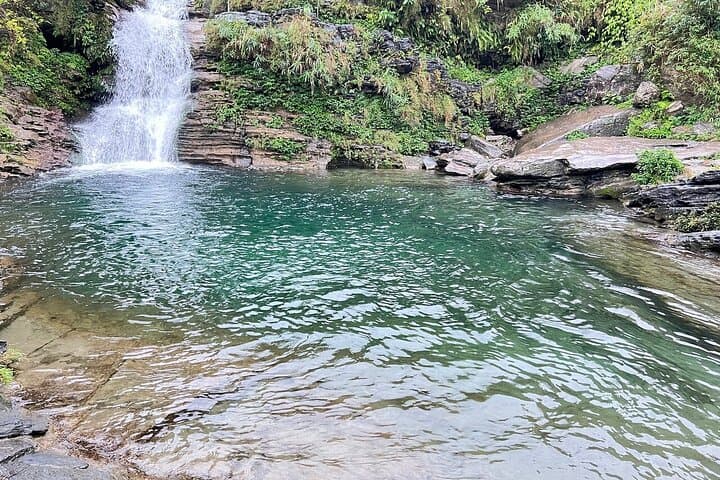
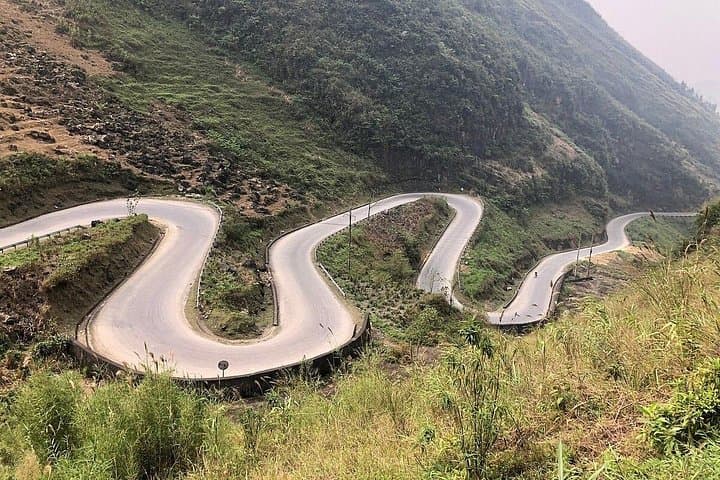
You step off the overnight sleeper bus into cold, thin air and the highway that soon becomes a ribbon of switchbacks. Engines hum; karst ridgelines rise like cut stone against a wide sky. Over two days you ride through passes that feel older than maps — Bac Sum and Cán Tỷ tighten the road into hairpins, while Mã Pí Lèng drops you to a turquoise slab of river far below.
Verified experiences and guided adventures in the surrounding area.
Operated by Local Tours Around Viet Nam · Ha Giang, Hà Giang
You step off the overnight sleeper bus into cold, thin air and the highway that soon becomes a ribbon of switchbacks. Engines hum; karst ridgelines rise like cut stone against a wide sky. Over two days you ride through passes that feel older than maps — Bac Sum and Cán Tỷ tighten the road into hairpins, while Mã Pí Lèng drops you to a turquoise slab of river far below.
This route crosses the Hà Giang stone plateau, where limestone folded and eroded into the jagged forms that define the region. The plateau has long been home to H’Mong, Dao, and Tay communities; the Vương Family Palace in Sà Phìn hints at the area’s early-20th-century social hierarchy and cross-cultural influences. Local villages still weave and farm on terraced slopes, and the Nho Quế River cuts a deep, dramatic gorge that has shaped both travel routes and livelihoods.
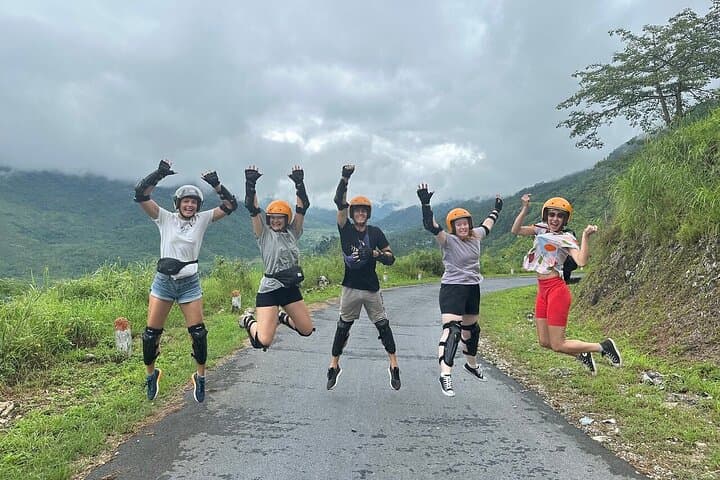
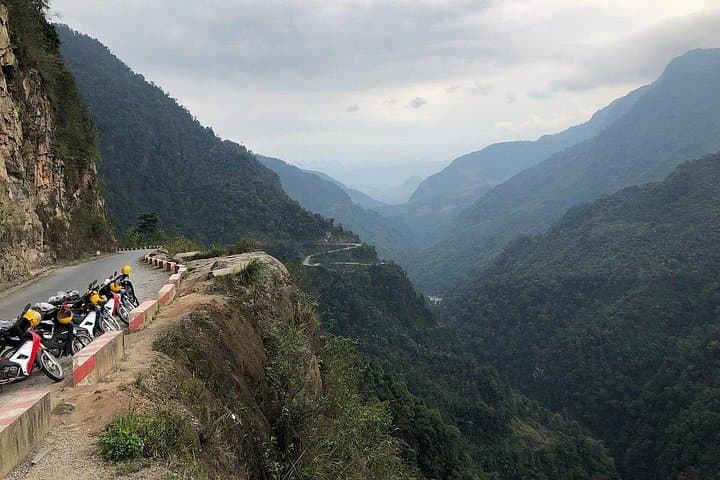
Expect long hours of focused riding, frequent photo stops, and simple village homestays or dorm accommodation on the first night. Weather can flip quickly at altitude — wind and mist often appear on the passes while valleys stay clear. Roads are mostly paved but can be narrow, with tight curves and occasional gravel or potholes.
Practicalities: bring layered, windproof clothing, a good helmet and gloves, and ride conservatively on descents. Plan fuel and daylight: some stretches have few services. Respect local customs in villages — ask before photographing families — and leave no trace: this landscape is fragile and increasingly popular, so pack out trash and choose homestays that support the community.
moderate.
2 days.
Comfortable sitting endurance for multiple hours on a bike and basic balance; not highly aerobic but requires stamina for long riding days.
Some operators provide a licensed driver; other tours expect you to ride. Confirm at booking — basic motorcycle experience is advisable if you’ll be the rider.
Sections are narrow with steep drop-offs and loose surfaces; danger is reduced by riding at safe speeds, using a guide/driver, and checking weather before departure.
One night is typically in a local dorm or homestay with simple facilities; the tour includes meals as listed but comforts are modest compared with city hotels.
September–November or March–May offer the clearest weather and most comfortable temperatures for riding and viewing the gorge.
The Ha Giang plateau has long been home to H’Mong and other ethnic groups; the Vương Family Palace reflects early 20th-century local power and cultural blending.
Karst ecosystems and rivers here are sensitive; stick to roads, minimize litter, and favor homestays that recycle or use local resources.
Local Tours Around Viet Nam operates guided outdoor trips and adventures with an emphasis on safety, stewardship, and memorable experiences.
You step off the overnight sleeper bus into cold, thin air and the highway that soon becomes a ribbon of switchbacks. Engines hum; karst ridgelines rise like cut stone against a wide sky. Over two days you ride through passes that feel older than maps — Bac Sum and Cán Tỷ tighten the road into hairpins, while Mã Pí Lèng drops you to a turquoise slab of river far below.
You step off the overnight sleeper bus into cold, thin air and the highway that soon becomes a ribbon of switchbacks. Engines hum; karst ridgelines rise like cut stone against a wide sky. Over two days you ride through passes that feel older than maps — Bac Sum and Cán Tỷ tighten the road into hairpins, while Mã Pí Lèng drops you to a turquoise slab of river far below.
This route crosses the Hà Giang stone plateau, where limestone folded and eroded into the jagged forms that define the region. The plateau has long been home to H’Mong, Dao, and Tay communities; the Vương Family Palace in Sà Phìn hints at the area’s early-20th-century social hierarchy and cross-cultural influences. Local villages still weave and farm on terraced slopes, and the Nho Quế River cuts a deep, dramatic gorge that has shaped both travel routes and livelihoods.
Expect long hours of focused riding, frequent photo stops, and simple village homestays or dorm accommodation on the first night. Weather can flip quickly at altitude — wind and mist often appear on the passes while valleys stay clear. Roads are mostly paved but can be narrow, with tight curves and occasional gravel or potholes.
Practicalities: bring layered, windproof clothing, a good helmet and gloves, and ride conservatively on descents. Plan fuel and daylight: some stretches have few services. Respect local customs in villages — ask before photographing families — and leave no trace: this landscape is fragile and increasingly popular, so pack out trash and choose homestays that support the community.