THE ADVENTURE COLLECTIVE® · Independent discovery and booking for outdoor travel

Ride the Ha Giang Loop from Hanoi: two days of high passes, karst plateaus and H'mong villages. Expect dramatic viewpoints like Ma Pi Leng, a homestay night in Dong Van and hands‑on cultural encounters.
Ride the Ha Giang Loop from Hanoi: two days of high passes, karst plateaus and H'mong villages. Expect dramatic viewpoints like Ma Pi Leng, a homestay night in Dong Van and hands‑on cultural encounters.
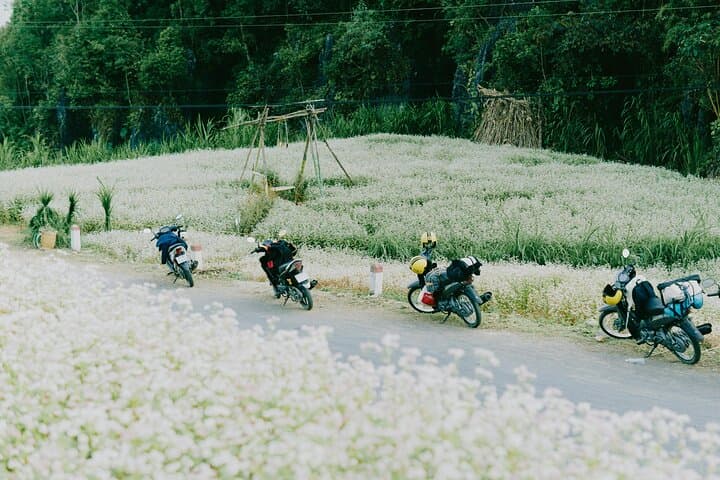
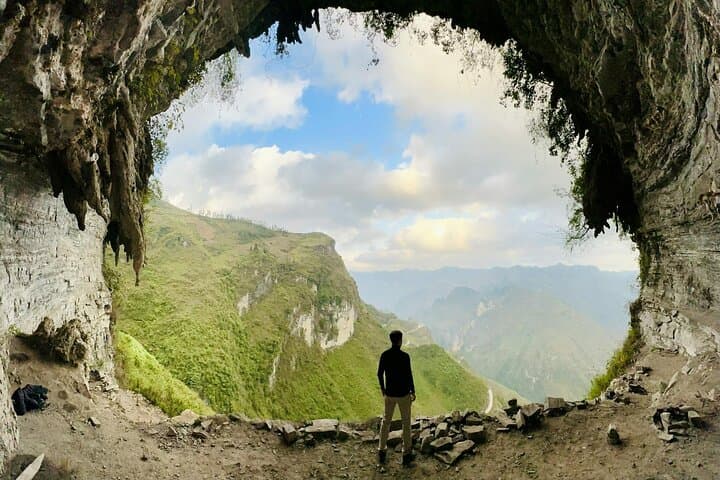
Night on the sleeper bus dissolves into dawn as limestone ridges appear like a line of jagged teeth against the sky. By mid‑morning you’re aboard a motorbike, wind pressing through mountain passes, the Twin Mountains looming at Quan Ba and terraced fields folding into distant valleys.
Verified experiences and guided adventures in the surrounding area.
Operated by Up Travel Vietnam · Ha Giang, Ha Giang Province
Night on the sleeper bus dissolves into dawn as limestone ridges appear like a line of jagged teeth against the sky. By mid‑morning you’re aboard a motorbike, wind pressing through mountain passes, the Twin Mountains looming at Quan Ba and terraced fields folding into distant valleys.
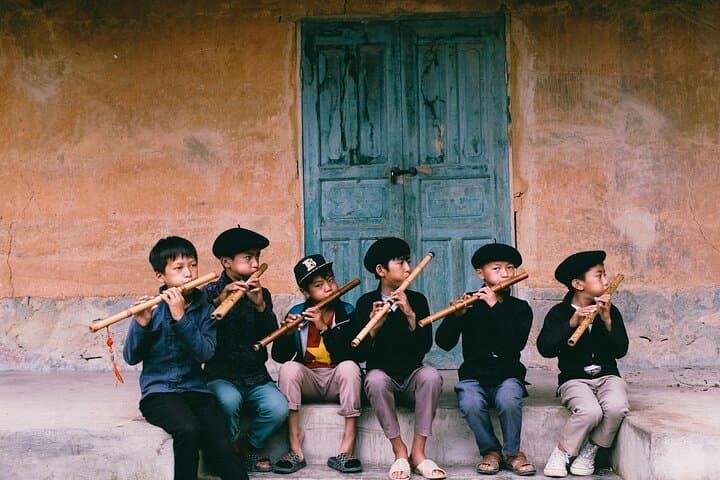
This route threads the Dong Van Karst Plateau, a UNESCO-recognized landscape shaped by ancient coral reefs uplifted and weathered into towers and cliffs. The H'mong King Palace near Sa Phin offers a window into early 20th‑century local power and the cultural patterns of H'mong, Tay and Dao communities that still farm the hillsides in traditional dress.
Ma Pi Leng is the highlight: a high cliff road that gives way to a narrow canyon where the Nho Que River dares you to look down—the current carving emerald curves beneath. Dong Van town shows Sino‑Mongolian architecture and market life; homestays give practical access to family meals and simple comfort.
Practical guidance: plan two active riding days with a single homestay night; roads are steep, often narrow and require steady balance from the rider. Carry a good rain jacket and closed shoes, and keep valuables in a zipped daypack. Hydrate before long passes and take motion‑sickness precautions if you’re prone to nausea. Expect early starts to catch light and avoid midday rain; phone signal is intermittent so download maps and keep your guide’s contact saved. Helmets and protective gear are provided, but dress in layers—temperatures drop quickly after sunset. With respect for local customs and a measured pace, this loop is an immediate, kinetic way to read the highlands’ geology and culture up close.
moderate.
48–72 hours.
Moderate fitness: able to handle long periods sitting on a bike, short hikes, and stairs at viewpoints.
No; the tour uses local drivers and riders for those without a license—passengers sit behind trained riders.
Yes, helmets and basic protective gear are included; bringing your own improves comfort and hygiene.
No, the optional boat ride through the canyon is typically extra—confirm availability and cost with the guide onsite.
One night is spent in a local homestay in Dong Van; accommodations are family‑run with shared facilities and traditional meals.
The Dong Van Karst Plateau developed from Paleozoic limestone uplift; the region’s towns grew as strategic trade and administrative centers under French colonial influence and local H'mong leadership.
The area is sensitive to erosion and increased tourist traffic—stick to roads and trails, support local homestays, and avoid single‑use plastics where possible.
Up Travel Vietnam operates guided outdoor trips and adventures with an emphasis on safety, stewardship, and memorable experiences.

Night on the sleeper bus dissolves into dawn as limestone ridges appear like a line of jagged teeth against the sky. By mid‑morning you’re aboard a motorbike, wind pressing through mountain passes, the Twin Mountains looming at Quan Ba and terraced fields folding into distant valleys.
Night on the sleeper bus dissolves into dawn as limestone ridges appear like a line of jagged teeth against the sky. By mid‑morning you’re aboard a motorbike, wind pressing through mountain passes, the Twin Mountains looming at Quan Ba and terraced fields folding into distant valleys.
This route threads the Dong Van Karst Plateau, a UNESCO-recognized landscape shaped by ancient coral reefs uplifted and weathered into towers and cliffs. The H'mong King Palace near Sa Phin offers a window into early 20th‑century local power and the cultural patterns of H'mong, Tay and Dao communities that still farm the hillsides in traditional dress.
Ma Pi Leng is the highlight: a high cliff road that gives way to a narrow canyon where the Nho Que River dares you to look down—the current carving emerald curves beneath. Dong Van town shows Sino‑Mongolian architecture and market life; homestays give practical access to family meals and simple comfort.
Practical guidance: plan two active riding days with a single homestay night; roads are steep, often narrow and require steady balance from the rider. Carry a good rain jacket and closed shoes, and keep valuables in a zipped daypack. Hydrate before long passes and take motion‑sickness precautions if you’re prone to nausea. Expect early starts to catch light and avoid midday rain; phone signal is intermittent so download maps and keep your guide’s contact saved. Helmets and protective gear are provided, but dress in layers—temperatures drop quickly after sunset. With respect for local customs and a measured pace, this loop is an immediate, kinetic way to read the highlands’ geology and culture up close.