THE ADVENTURE COLLECTIVE® · Independent discovery and booking for outdoor travel

Ride the Ha Giang Loop from Sapa over Ma Pi Leng Pass and down to the Nho Que River on a compact 4-day motorbike circuit. This trip combines high, winding roads, limestone canyons and homestays with ethnic markets and local cuisine.
Ride the Ha Giang Loop from Sapa over Ma Pi Leng Pass and down to the Nho Que River on a compact 4-day motorbike circuit. This trip combines high, winding roads, limestone canyons and homestays with ethnic markets and local cuisine.
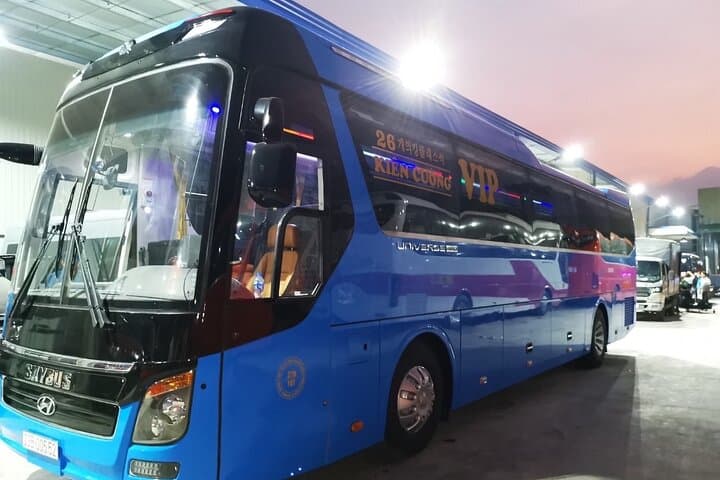
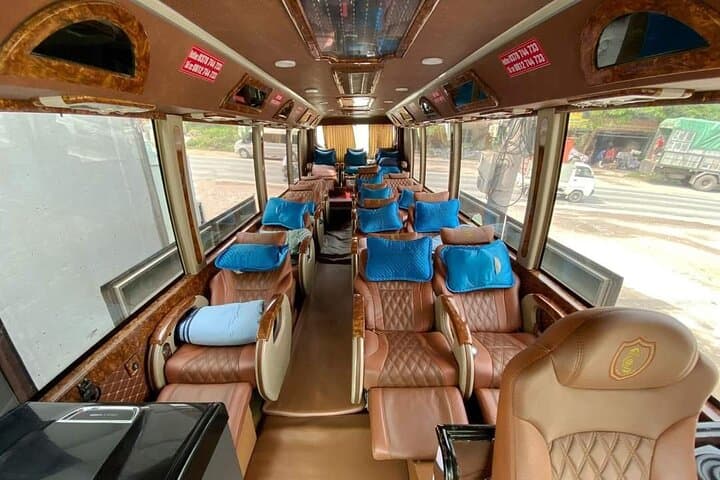
You wake before dawn in Sapa, the village lights folding away as the shuttle drops you at the roadside. The first miles are a warm-up—rice terraces slipping past—then the road tightens and the mountains take over. By day two the Ma Pi Leng ridge narrows beneath your wheels and the Nho Que River shouts from the canyon below; wind and altitude punctuate each hairpin with a fresh view.
Verified experiences and guided adventures in the surrounding area.
Operated by LOCAL TOURS VIETNAM · Ha Giang, Ha Giang Province
You wake before dawn in Sapa, the village lights folding away as the shuttle drops you at the roadside. The first miles are a warm-up—rice terraces slipping past—then the road tightens and the mountains take over. By day two the Ma Pi Leng ridge narrows beneath your wheels and the Nho Que River shouts from the canyon below; wind and altitude punctuate each hairpin with a fresh view.
Geology here is blunt: the Dong Van Karst Plateau is a sweep of limestone and shale carved into cliffs, moon-like pavements and narrow canyons over millennia. History is visible in the stone house of the Vuong family and the layered architecture of H’Mong, Tay and Dao communities whose markets and textiles survive as daily practice rather than tourist set pieces.
Expect long riding days on rough asphalt and patched concrete, steep switchbacks and occasional gravel shoulders. Homestays in Dong Van and Du Gia put you inside local life—shared dinners, corn wine, and early mornings where birds and roosters set the pace. A short boat on the Nho Que opens a different scale: canyon walls rising like walls of a cathedral.
Practical guidance: bring layered waterproofs, a properly fitted helmet, and gloves; keep fuel and phone power topped up—services are intermittent. Ride conservatively on narrow passes, allow extra time for photo stops and local markets, and carry cash for homestays and food. The route rewards patience: wide canyon vistas, remote villages, and the steady thrum of a road that keeps calling you forward.
challenging.
4 days.
Moderate to fit — comfortable spending multiple hours riding each day on steep, winding roads
Yes — riders should be comfortable handling a motorcycle on steep, narrow, and congested mountain roads; prior experience on similar terrain is recommended.
Yes — the itinerary includes a short boat trip on the Nho Que River as part of the loop experience.
Homestays are basic but clean, offering authentic meals and local hospitality rather than luxury amenities; bring small cash for tips.
Weather varies by season: warm days and cold mornings at altitude; rain is possible and roads can be slick—plan layers and waterproofs.
The Dong Van Plateau has been a crossroads for H’Mong, Tay and Dao peoples for centuries; French colonial architecture and the Vuong family mansion reflect regional power shifts in the early 20th century.
Karst landscapes and river canyons are ecologically sensitive; stay on established routes, avoid litter, and support community-based homestays which prioritize local stewardship.
LOCAL TOURS VIETNAM operates guided outdoor trips and adventures with an emphasis on safety, stewardship, and memorable experiences.
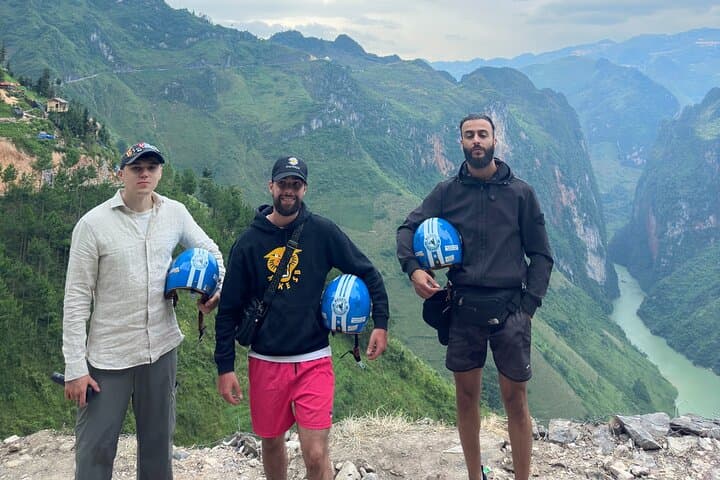

You wake before dawn in Sapa, the village lights folding away as the shuttle drops you at the roadside. The first miles are a warm-up—rice terraces slipping past—then the road tightens and the mountains take over. By day two the Ma Pi Leng ridge narrows beneath your wheels and the Nho Que River shouts from the canyon below; wind and altitude punctuate each hairpin with a fresh view.
You wake before dawn in Sapa, the village lights folding away as the shuttle drops you at the roadside. The first miles are a warm-up—rice terraces slipping past—then the road tightens and the mountains take over. By day two the Ma Pi Leng ridge narrows beneath your wheels and the Nho Que River shouts from the canyon below; wind and altitude punctuate each hairpin with a fresh view.
Geology here is blunt: the Dong Van Karst Plateau is a sweep of limestone and shale carved into cliffs, moon-like pavements and narrow canyons over millennia. History is visible in the stone house of the Vuong family and the layered architecture of H’Mong, Tay and Dao communities whose markets and textiles survive as daily practice rather than tourist set pieces.
Expect long riding days on rough asphalt and patched concrete, steep switchbacks and occasional gravel shoulders. Homestays in Dong Van and Du Gia put you inside local life—shared dinners, corn wine, and early mornings where birds and roosters set the pace. A short boat on the Nho Que opens a different scale: canyon walls rising like walls of a cathedral.
Practical guidance: bring layered waterproofs, a properly fitted helmet, and gloves; keep fuel and phone power topped up—services are intermittent. Ride conservatively on narrow passes, allow extra time for photo stops and local markets, and carry cash for homestays and food. The route rewards patience: wide canyon vistas, remote villages, and the steady thrum of a road that keeps calling you forward.