THE ADVENTURE COLLECTIVE® · Independent discovery and booking for outdoor travel

A three-day loop from Hanoi that places you on the cliffs of Ma Pi Leng, along the Nho Que River and into hill-tribe villages. Expect long drives, short treks, homestays, and immersive cultural encounters.
A three-day loop from Hanoi that places you on the cliffs of Ma Pi Leng, along the Nho Que River and into hill-tribe villages. Expect long drives, short treks, homestays, and immersive cultural encounters.
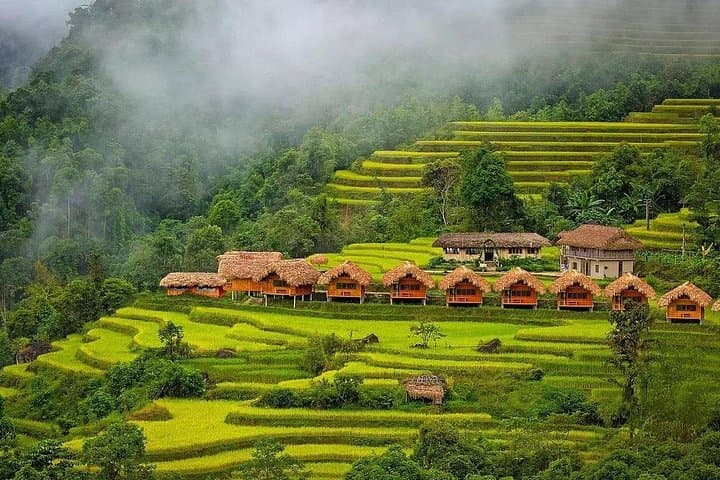
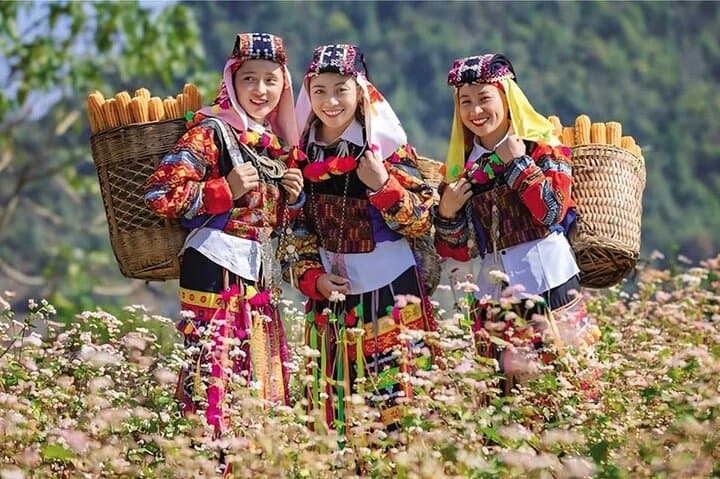
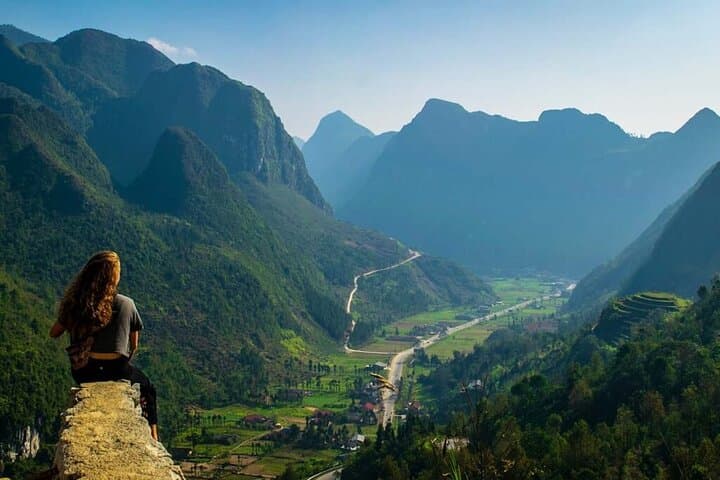
You arrive before dawn on a sleeper bus, the road outside still dark, and the air in Ha Giang carries the clean sharpness of karst peaks. By morning the loop unfurls: ribboned mountain roads, cornfield terraces, and a roadside market where Hmong and Dao villagers sort indigo cloth. The Ma Pi Leng Pass cuts like a spine above the Nho Que River, a deep green vein that dares you to look over and measure your breath against the drop below.
Verified experiences and guided adventures in the surrounding area.
Operated by Tiger Tourist · Ha Giang, Ha Giang Province
You arrive before dawn on a sleeper bus, the road outside still dark, and the air in Ha Giang carries the clean sharpness of karst peaks. By morning the loop unfurls: ribboned mountain roads, cornfield terraces, and a roadside market where Hmong and Dao villagers sort indigo cloth. The Ma Pi Leng Pass cuts like a spine above the Nho Que River, a deep green vein that dares you to look over and measure your breath against the drop below.
Geologically the Dong Van Karst Plateau is ancient limestone folded into cliffs and pinnacles—erosion has carved watchtowers and narrow ridgelines that define the region. Culturally, the route threads through ethnic villages where weaving patterns, Dao silverwork and terrace farming practice centuries-old techniques adapted to steep land. Dong Van’s Hmong King’s Palace is an unusual colonial-era house that tells the story of frontier power and trade.
Practically, expect a mix of seat time, short treks such as the Sky Path, a possible kayak or boat on the Nho Que, and nights in homestays or modest hostels. Roads are narrow with sudden elevation changes—drivers experienced with mountain riding are essential. Bring layers for wind and sun, waterproofs for sudden rain, and modest gifts or cash for village purchases.
Plan standard trekking shoes, a daypack, and at least 2–3 liters of water per day. Aim to travel light on camera gear: the views are panoramic, but the best shots are often from roadside turnouts. Timing your visit for clear weather rewards you with expansive valley visibility and calmer river conditions.
moderate.
3 days.
Moderate fitness: able to handle multiple hours of driving with short hikes and stair-like terrain at viewpoints.
No. Tours typically provide an experienced easy rider or driver; you can ride as a passenger (easy rider) or travel by vehicle.
Accommodations range from basic hostels in Ha Giang to family-run homestays with shared facilities and hearty home-cooked meals.
The highest points approach around 1,900–2,000 m; most travelers experience mild effects—stay hydrated and move at a relaxed pace.
This itinerary includes breakfast, lunch and dinner as listed, plus entrance fees for specified sites; confirm specifics when booking.
The Dong Van Plateau has long been a frontier corridor between highland ethnic groups and lowland trade routes; the Hmong King’s Palace reflects 20th-century local rulership and trade wealth.
Increasing visitors strain fragile karst soils and water sources; stick to marked paths, avoid single-use plastics, and support community-run homestays to keep benefits local.
Tiger Tourist operates guided outdoor trips and adventures with an emphasis on safety, stewardship, and memorable experiences.

You arrive before dawn on a sleeper bus, the road outside still dark, and the air in Ha Giang carries the clean sharpness of karst peaks. By morning the loop unfurls: ribboned mountain roads, cornfield terraces, and a roadside market where Hmong and Dao villagers sort indigo cloth. The Ma Pi Leng Pass cuts like a spine above the Nho Que River, a deep green vein that dares you to look over and measure your breath against the drop below.
You arrive before dawn on a sleeper bus, the road outside still dark, and the air in Ha Giang carries the clean sharpness of karst peaks. By morning the loop unfurls: ribboned mountain roads, cornfield terraces, and a roadside market where Hmong and Dao villagers sort indigo cloth. The Ma Pi Leng Pass cuts like a spine above the Nho Que River, a deep green vein that dares you to look over and measure your breath against the drop below.
Geologically the Dong Van Karst Plateau is ancient limestone folded into cliffs and pinnacles—erosion has carved watchtowers and narrow ridgelines that define the region. Culturally, the route threads through ethnic villages where weaving patterns, Dao silverwork and terrace farming practice centuries-old techniques adapted to steep land. Dong Van’s Hmong King’s Palace is an unusual colonial-era house that tells the story of frontier power and trade.
Practically, expect a mix of seat time, short treks such as the Sky Path, a possible kayak or boat on the Nho Que, and nights in homestays or modest hostels. Roads are narrow with sudden elevation changes—drivers experienced with mountain riding are essential. Bring layers for wind and sun, waterproofs for sudden rain, and modest gifts or cash for village purchases.
Plan standard trekking shoes, a daypack, and at least 2–3 liters of water per day. Aim to travel light on camera gear: the views are panoramic, but the best shots are often from roadside turnouts. Timing your visit for clear weather rewards you with expansive valley visibility and calmer river conditions.